
. SRIHARIKOTA/BENGALURU: India’s first space mission of 2026 failed on Monday after Isro’s workhorse PSLV suffered a glitch in its solid-propellant third stage (PS3), costing 16 satellites and an ambitious project of strategic, diplomatic and commercial importance. The PSLV-C62 failure comes nine months after a glitch in the same third stage of PSLV-C61 prevented EOS-09, another strategic satellite, from reaching orbit on May 18, 2025. This is also the first time PSLV has failed consecutively. The main satellite was EOS-N1 (Anvesha), a DRDO satellite designed to give India’s military sharper eyes in space through a hyperspectral imaging payload. Things started going wrong 8 min after launch, says Isro chairmanTowards the end of the third stage we saw a little more disturbance in the vehicle roll rates and subsequently there was a deviation in the flight path. We are analysing the data,” Isro chairman V Narayanan said. Isro is yet to make public the failure analysis report of the PSLV-C61 mission. All appeared good on Monday when the 44.4-m PSLV, flying its fifth mission in dual strapon configuration, lifted off from SDSC’s first launch pad at 10.18 am, about 1.30 minutes after the scheduled time. About 8 minutes and 40 seconds later, between the thirdstage shut-off and fourthstage (PS4) ignition, something went wrong. Soon, Narayanan announced the mission had failed. It also carried a satellite (Munal) for Nepal and a technology demonstrator (AyulSat) from start-up OrbitAID aimed at cracking on-orbit refuelling, along with 13 other payloads. AyulSAT, which was to demonstrate fuel transfer internally and later act as a target satellite for OrbitAID’s chaser satellite planned about six months later, would have put India a step closer to testing on-orbit refuelling. China is the only country which now has on-orbit refuelling technology. OrbitAID founder and CEO Sakthikumar R told TOI on Monday: “We are now forced to launch both the target and chaser satellites together. We hope to do that later this year.” The rocket also carried satellites from the UK, Brazil, Thailand and Spain, apart from payloads developed by Indian startups demonstrating several technologies, including AI processing in orbit, store-andforward communication systems, IoT services, radiation measurement, agricultural data collection, and a re-entry capsule to be deployed after re-start and deorbit of the PS4 stage. This failure is the third launch setback for Isro since Jan 2025 — GSLV-F15, which carried the NVS-02 navigation satellite, failed to place the satellite in geostationary orbit due to a propulsion system malfunction.End of ArticleFollow Us On Social MediaVideosCongress MP says India remains “heavily invested emotionally and politically” in Bangladesh”Our Youth Is Creative And Innovative,” PM Modi At Viksit Bharat Dialogue“Deeply Impressed,” CEOs Share Takeaways After Meeting PM Modi | VideoFrom Defence To AI: PM Modi Urges German CEOs To Make India Their Global Manufacturing Base’Real Friends Always…’: Trump’s New Envoy Sergio Gor Pledges To Reset India-US TiesNot Trade Or Defence: Why Four-Year Old Baby Ariha Shah Became Key Topic In Modi–Germany TalksAAP’s Raghav Chadha Turns Blinkit Delivery Agent for a Day Amid Gig Workers’ Row’Will Come to Mumbai, Try Cutting My Legs: Annamalai Hits Back at Raj ThackerayIndia Tests Indigenous Fire And Forget Anti-Tank Missile With Top Attack Strike On Moving TargetsShaksgam Valley Row Deepens As China Rejects India’s Claim And Defends CPEC Infra Project With Pak123PhotostoriesBreathtaking pictures of Nupur Sanon and Stebin Ben’s stylish Hindu wedding5 animals that survive by pretending to be deadHow to make Halwai Style Aloo Sabji at homeFrom mindful portions to intermittent fasting: When Taarak Mehta Ka Ooltah Chashmah’s Munmun Dutta gave a peek into her disciplined diet and daily routineTimothée Chalamet to Jacob Elordi: The Men of the 2026 Golden Globes who delivered a masterclass in modern tailoringThalapathy Vijay’s ‘Jana Nayagan’ delayed: 8 must-watch OTT hits to streamTamil Nadu Assembly Elections 2026: Alliances, numbers and the battle for 234 seats5 jungle survival tips Bear Grylls swears by, and how they apply beyond the wildChef Sanjeev Kapoor shares 5 crunchy snack recipes to enjoy with chai during winter `Best horror dramas on Apple TV: ‘The Enfield Poltergeist’, ‘Servant’ and more123Hot PicksISRO PSLV-C62 missionTrump tariffsGold rate todayBengaluru newsCigarette price hikePublic holidays January 2026Bank Holidays JanuaryTop TrendingNFL Football Playoff Schedule 2026George Kittle InjuryVanessa Bryant and Natalia Bryant Net WorthBrooks Koepka and Jena Sims Net WorthMorgan GeekieBryce Harper Net WorthTravis Kelce WeddingDonovan MitchellLeBron JamesBudget 2026
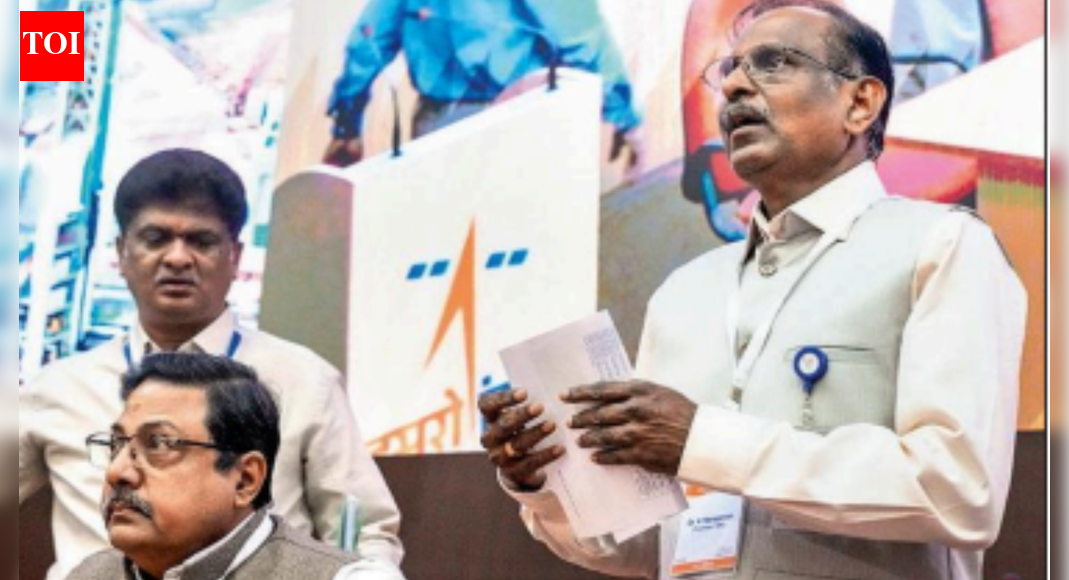
SRIHARIKOTA/BENGALURU: India’s first space mission of 2026 failed on Monday after Isro’s workhorse PSLV suffered a glitch in its solid-propellant third stage (PS3), costing 16 satellites and an ambitious project of strategic, diplomatic and commercial importance. The PSLV-C62 failure comes nine months after a glitch in the same third stage of PSLV-C61 prevented EOS-09, another strategic satellite, from reaching orbit on May 18, 2025. This is also the first time PSLV has failed consecutively. The main satellite was EOS-N1 (Anvesha), a DRDO satellite designed to give India’s military sharper eyes in space through a hyperspectral imaging payload.
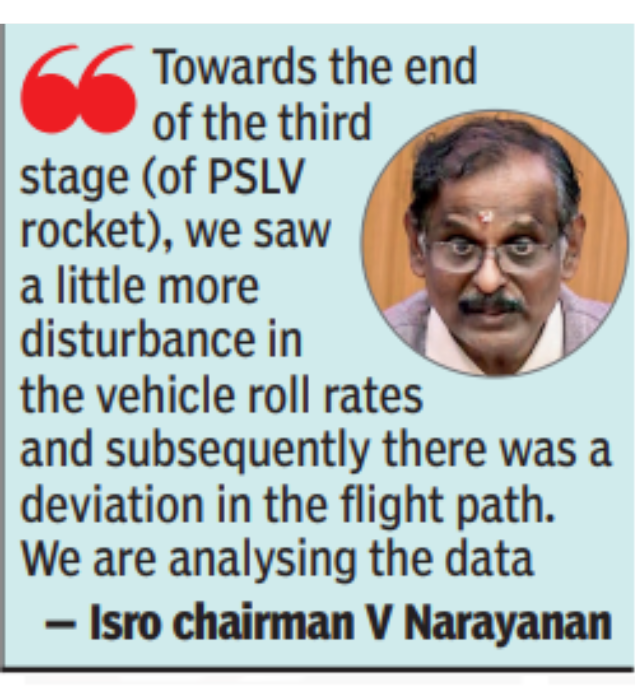
Things started going wrong 8 min after launch, says Isro chairmanTowards the end of the third stage we saw a little more disturbance in the vehicle roll rates and subsequently there was a deviation in the flight path. We are analysing the data,” Isro chairman V Narayanan said. Isro is yet to make public the failure analysis report of the PSLV-C61 mission. All appeared good on Monday when the 44.4-m PSLV, flying its fifth mission in dual strapon configuration, lifted off from SDSC’s first launch pad at 10.18 am, about 1.30 minutes after the scheduled time. About 8 minutes and 40 seconds later, between the thirdstage shut-off and fourthstage (PS4) ignition, something went wrong. Soon, Narayanan announced the mission had failed. It also carried a satellite (Munal) for Nepal and a technology demonstrator (AyulSat) from start-up OrbitAID aimed at cracking on-orbit refuelling, along with 13 other payloads. AyulSAT, which was to demonstrate fuel transfer internally and later act as a target satellite for OrbitAID’s chaser satellite planned about six months later, would have put India a step closer to testing on-orbit refuelling. China is the only country which now has on-orbit refuelling technology. OrbitAID founder and CEO Sakthikumar R told TOI on Monday: “We are now forced to launch both the target and chaser satellites together. We hope to do that later this year.” The rocket also carried satellites from the UK, Brazil, Thailand and Spain, apart from payloads developed by Indian startups demonstrating several technologies, including AI processing in orbit, store-andforward communication systems, IoT services, radiation measurement, agricultural data collection, and a re-entry capsule to be deployed after re-start and deorbit of the PS4 stage. This failure is the third launch setback for Isro since Jan 2025 — GSLV-F15, which carried the NVS-02 navigation satellite, failed to place the satellite in geostationary orbit due to a propulsion system malfunction.


