
NEW DELHI: As the European Union’s carbon border tax comes into effect from January 1, the Centre for Science and Environment (CSE), a New Delhi-based think tank, Saturday warned that the move would shift the decarbonisation costs on to developing countries including India. It said decarbonisation is critically important, but should not be pushed through unilateral measures like Carbon Border Adjustment Mechanism (CBAM) which is expected to generate 1.5 billion euros annually for EU nations by 2028 at the cost of the Global South.CBAM — carbon border tax — is a tool to put a price through imposing border tax on greenhouse gas (GHG) intensive goods (emission generated during production), like iron & steel, aluminium, cement and fertilisers, that are entering the 27 EU nations. It will put a tariff burden on such products of developing countries and impact their trade. From Power Cuts To 500 GW Grid, India Emerges As Global Data Centre Hub Under Modi: Piyush Goyal Noting its implication for India, the CSE’s analysis shows that CBAM could impose substantial cost pressures on steel and aluminium exports to the EU and it could face a price burden of around 25% — a shock that exporters are likely to absorb through price compression in order to remain competitive. This is the reason India and many other countries, including China and South Africa, have been resisting it for long.“By putting a carbon price at the border, CBAM changes how competitiveness is defined in global trade. But what it also does is shift the decarbonisation costs to developing countries, thus extending a familiar dynamic where developing countries adapt to rules set elsewhere, under conditions that structurally disadvantage them,” said Sunita Narain, director general, CSE.“Decarbonisation in industry is both necessary and unavoidable. Developing countries will need to pursue decarbonisation to remain competitive. However, this transition can’t be driven through unilateral steps alone,” she said.About the AuthorVishwa MohanVishwa Mohan is Senior Editor at The Times of India. He writes on environment, climate change, agriculture, water resources and clean energy, tracking policy issues and climate diplomacy. He has been covering Parliament since 2003 to see how politics shaped up domestic policy and India’s position at global platform. Before switching over to explore sustainable development issues, Vishwa had covered internal security and investigative agencies for more than a decade.Read MoreEnd of ArticleFollow Us On Social MediaVideos”No Control Over Minority Violence In Bangladesh…”: Former Indian Envoy Slams Yunus Govt“Infamous For His Tour With Anti-National Propaganda”: BJP Rips Rahul Gandhi Over Vietnam VisitInqilab Moncho To March Nationwide Seeking Justice For Sharif Osman Hadi14 Naxals Neutralized In Sukma And Bijapur As Security Forces Launch Anti-Maoist OperationHimachal College Horror: Student Dies After Alleging Sexual Harassment, RaggingIndia Reveals First Vande Bharat Sleeper Offering Faster Overnight Travel On Kolkata-Guwahati LineHindu Businessman Khokon Das, Hacked And Set Ablaze By Mob in Bangladesh, Dies 3 Days After Attack‘Slavery Destroys Heritage’: PM Modi’s Big Message After Unveiling Sacred Buddha Piprahwa RelicsBCCI Asks KKR To Release Bangladesh Player From IPL After Outrage Over Attacks On Hindu MinoritiesGovt Sends Notice To Elon Musk’s X On Grok AI Chatbot Misuse, IT Ministry Seeks Action Report123Photostories7 foods to pair with eggs for maximum benefitsThe 7 wonders of the world to see and experience in 2026Spiritual lessons for modern times: Gauranga Das reveals 7 things that will change your life for the betterDiabetes: Subtle symptoms people ignore because they don’t look seriousStep-by-step guide for growing blueberries at home or balcony gardenHow to make protein-rich Rajma and Soya Kebab for snackingTop 9 cabbage dishes from around the world5 health facts about the world’s number one longevity food5 most photographed natural monuments in the world to explore in 20265 best Indian forests to see wild Asian elephants in January123Hot PicksOperation SindoorVande Bharat Sleeper TrainJanuary Bank holidayGold rate todayIncome Tax RefundBahrain Golden Visa 2025Bank Holidays DecemberTop TrendingSan Francisco 49ersBrittany MahomesNoah Lyles and Junelle Bromfield Net WorthWayne Gretzky Daughter Net WorthSidney Crosby LifestyleLeBron James vs Stephen Curry Net WorthTom BradyLeBron James WifeCam ThomasCharlie Kirk
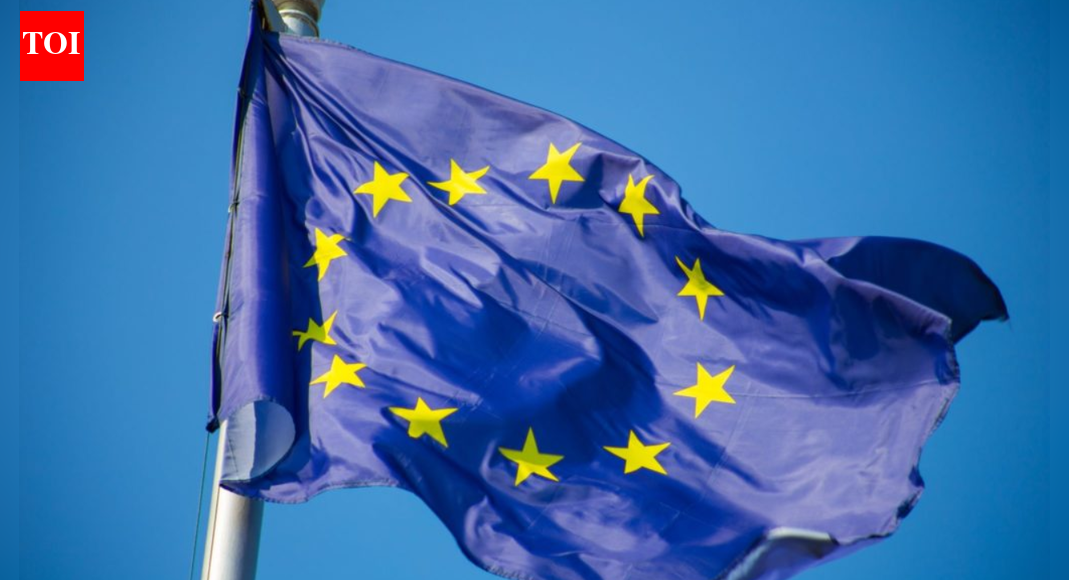
NEW DELHI: As the European Union’s carbon border tax comes into effect from January 1, the Centre for Science and Environment (CSE), a New Delhi-based think tank, Saturday warned that the move would shift the decarbonisation costs on to developing countries including India. It said decarbonisation is critically important, but should not be pushed through unilateral measures like Carbon Border Adjustment Mechanism (CBAM) which is expected to generate 1.5 billion euros annually for EU nations by 2028 at the cost of the Global South.CBAM — carbon border tax — is a tool to put a price through imposing border tax on greenhouse gas (GHG) intensive goods (emission generated during production), like iron & steel, aluminium, cement and fertilisers, that are entering the 27 EU nations. It will put a tariff burden on such products of developing countries and impact their trade.
Noting its implication for India, the CSE’s analysis shows that CBAM could impose substantial cost pressures on steel and aluminium exports to the EU and it could face a price burden of around 25% — a shock that exporters are likely to absorb through price compression in order to remain competitive. This is the reason India and many other countries, including China and South Africa, have been resisting it for long.“By putting a carbon price at the border, CBAM changes how competitiveness is defined in global trade. But what it also does is shift the decarbonisation costs to developing countries, thus extending a familiar dynamic where developing countries adapt to rules set elsewhere, under conditions that structurally disadvantage them,” said Sunita Narain, director general, CSE.“Decarbonisation in industry is both necessary and unavoidable. Developing countries will need to pursue decarbonisation to remain competitive. However, this transition can’t be driven through unilateral steps alone,” she said.


