
. NEW DELHI: As part of its ongoing river rejuvenation efforts, the National Mission for Clean Ganga (NMCG) has approved multiple projects including a master plan to restore the cultural identity of the Gomti river’s origin site at Pilibhit, protect breeding habitats of sandbar-nesting birds and deploy nature based solutions for in-situ treatment of certain drains, falling in Yamuna, in Delhi.The plan to restore natural sanctity of the Gomti river’s origin site includes modern infrastructure development, catchment area treatment, rejuvenation of water sources, and nature-based treatment of sewage from Madhotanda town in Uttar Pradesh.“It also includes development of ghats and aarti platforms, rejuvenation of lakes, and conservation of turtle habitats. Facilities such as a crematorium, ‘panchvatika’ and yoga mandap will further enhance the site’s spiritual and cultural significance,” said the Union Jal Shakti ministry in a statement.The plan for Gomti and other initiatives were approved by the NMCG – a central agency to implement Ganga rejuvenation programmes – in its executive committee meeting, chaired by the agency’s director general Rajeev Kumar Mittal, held last week.The project to protect breeding habitats of sandbar-nesting birds, including the Indian skimmer, will focus on long-term monitoring, community participation, and evidence-based conservation.“The project is a first of its kind initiative focusing on avifauna and would complement NMCG’s work on dolphins, fishes, turtles, muggers etc and would complete the focus on river related faunal biodiversity,” said the ministry.Under the project, nest monitoring will continue in the Chambal and lower Ganga and will be initiated in Bijnor, Narora, and Prayagraj by deploying trained local communities to help protect sensitive sandbars, reduce human disturbance, and support awareness and capacity-building initiatives.In Delhi, the nature based solutions will be used for in-situ treatment of different drains including Shastri Park, Gaushala, Kailash Nagar and Ramesh Nagar. Idea of the initiative is to treat raw sewage on-site before it enters the Yamuna using rock filters, stone masonry, and aquatic plants for natural treatment.About the AuthorVishwa MohanVishwa Mohan is Senior Editor at The Times of India. He writes on environment, climate change, agriculture, water resources and clean energy, tracking policy issues and climate diplomacy. He has been covering Parliament since 2003 to see how politics shaped up domestic policy and India’s position at global platform. Before switching over to explore sustainable development issues, Vishwa had covered internal security and investigative agencies for more than a decade.Read MoreEnd of ArticleFollow Us On Social MediaVideosSupreme Court Stays Its Order On Aravalli Definition, Environment Minister Welcomes Move’Called Minor Matter, Refused FIR’: Tripura Student Angel Chakma’s Father Blasts Uttarakhand PoliceAustralia, US And UK Raise Alarm Over Fake Rabies Vaccine As India Pushes Back On ClaimsShashi Tharoor Slams Racial Attack and Murder of Tripura Student In Dehradun As ‘National Disgrace’India Dismisses Dhaka Claims On Hadi Killer Whereabouts As US Calls Hindu Lynching Horrific‘Misconstrued Remarks’: Lalit Modi Apologises After Viral Mallya Video Sparks OutrageArgentina Backs India’s Permanent UNSC Seat, Says World Order Has Changed Beyond 1945 ModelSupreme Court Halts Bail For Ex-BJP MLA Kuldeep Sengar In Unnao Rape Case, Signals Tough Stand’Called Chinki, Chinese, Momo’: Tripura Student’s Killing In Dehradun Triggers Protests Across StateBangladesh Faces Political Rupture As Student Leaders Back Jamaat While Minority Attacks Continue123PhotostoriesTV stars who ruled the headlines in 2025: From Gaurav Khanna to Tejasswi Prakash20 New Year’s resolutions worth making for 202610 powerful Haruki Murakami quotes that make you rethink lifeKidney health: 5 foods that help your kidneys effectively filter out toxins9 must-try iconic kebabs from around the worldBest crystal you can wear in the year 2026 based on your birth number5 times international celebrities championed Indian designers on stage in 20257 locations where the human body quietly repairs itself, according to experts‘Zindagi Na Milegi Dobara’, ‘Happy New Year’, ‘Dil Chahta Hai’: Best Bollywood movies and OTT picks to watch on New Year’s EveIn Pics | How Southern Railway Is Switching to Recycled Sewage Water for Daily Operations123Hot PicksSilver price todayPAN-Aadhaar linkingCristiano RonaldoGold rate todayIncome Tax RefundIndian Railways fareBank Holidays DecemberTop TrendingMatt Hardy and Reby Sky Net WorthTravis KelcePatrick MahomesRobert Kraft & Gayle Benson Net WorthAjit PawarLebron JamesWWE Raw PreviewUnnao Rape CaseRajkumar BafnaNew York Yankees
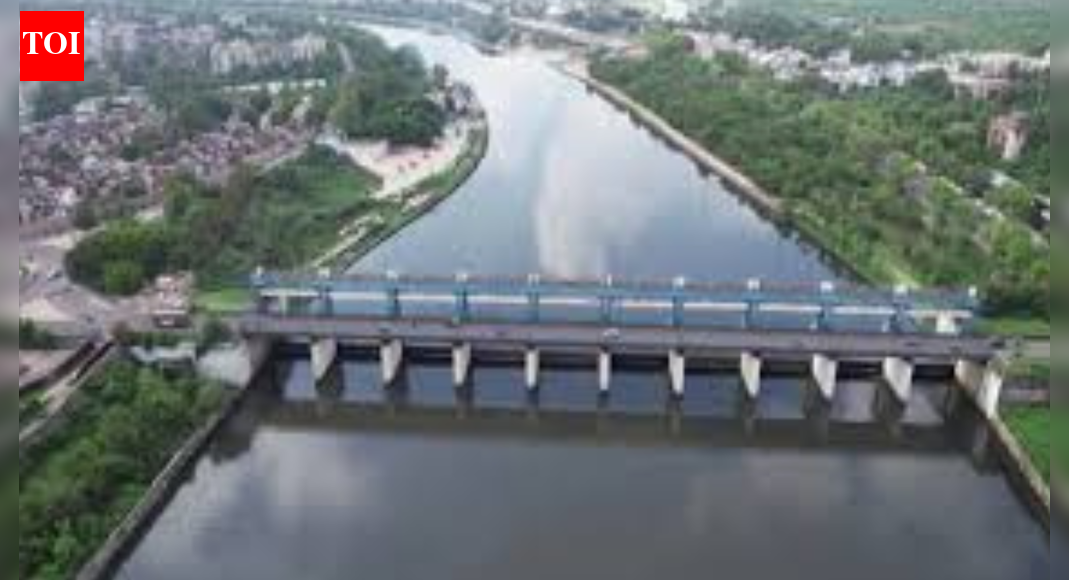
NEW DELHI: As part of its ongoing river rejuvenation efforts, the National Mission for Clean Ganga (NMCG) has approved multiple projects including a master plan to restore the cultural identity of the Gomti river’s origin site at Pilibhit, protect breeding habitats of sandbar-nesting birds and deploy nature based solutions for in-situ treatment of certain drains, falling in Yamuna, in Delhi.The plan to restore natural sanctity of the Gomti river’s origin site includes modern infrastructure development, catchment area treatment, rejuvenation of water sources, and nature-based treatment of sewage from Madhotanda town in Uttar Pradesh.“It also includes development of ghats and aarti platforms, rejuvenation of lakes, and conservation of turtle habitats. Facilities such as a crematorium, ‘panchvatika’ and yoga mandap will further enhance the site’s spiritual and cultural significance,” said the Union Jal Shakti ministry in a statement.The plan for Gomti and other initiatives were approved by the NMCG – a central agency to implement Ganga rejuvenation programmes – in its executive committee meeting, chaired by the agency’s director general Rajeev Kumar Mittal, held last week.The project to protect breeding habitats of sandbar-nesting birds, including the Indian skimmer, will focus on long-term monitoring, community participation, and evidence-based conservation.“The project is a first of its kind initiative focusing on avifauna and would complement NMCG’s work on dolphins, fishes, turtles, muggers etc and would complete the focus on river related faunal biodiversity,” said the ministry.Under the project, nest monitoring will continue in the Chambal and lower Ganga and will be initiated in Bijnor, Narora, and Prayagraj by deploying trained local communities to help protect sensitive sandbars, reduce human disturbance, and support awareness and capacity-building initiatives.In Delhi, the nature based solutions will be used for in-situ treatment of different drains including Shastri Park, Gaushala, Kailash Nagar and Ramesh Nagar. Idea of the initiative is to treat raw sewage on-site before it enters the Yamuna using rock filters, stone masonry, and aquatic plants for natural treatment.


