
Silent heart damage in men! How visceral fat around the waist is more dangerous than weight gain; here’s how to prevent |

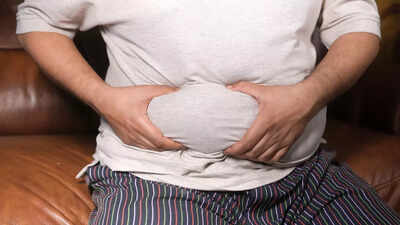
‘Do not focus only on weight, but waist size matters!’ ‘Beer belly’ or abdominal obesity has been largely identified as a cosmetic issue; however, emerging studies indicate it has severe consequences for heart health, especially for men. A study at the Radiological Society of North America (RSNA) reveals that having too much visceral fat around the abdominal area has been identified to affect the structural functions of the heart. Unlike general obesity, abdominal obesity has been observed to directly affect heart muscle hypertrophy and the reduction of heart chamber volume. It has been observed that healthy-appearing people could be at a heightened risk of cardiovascular disease.
Understanding abdominal obesity and the risks linked
For general obesity, body mass index (BMI) is usually employed. However, it does not measure fat distribution. Abdominal obesity takes into consideration the visceral fat that is deeper in the abdominal cavity. In contrast to subcutaneous fat deposits, visceral fat secretes pro-inflammatory chemicals and pro-hormones that can negatively affect the heart.
This study was conducted on the cardiac MRI images of 2,244 adults aged 46 to 78 years with no known cases of cardiovascular disease. They observed that the abdominal obesity was linked with the situation known as concentric hypertrophy, whereby the myocardial mass becomes thicker with no change in the cardiac size. This leads to reduced volumes within the cardiac chambers with the least amount of blood that the heart can handle and relax after every cardiac cycle. This is central in the development of heart failure.
General obesity vs abdominal obesity
General obesity and its association with BMI is frequently correlated with increased cardiac chambers and signifies the heart’s compensation for needing to supply blood to its increased mass. Yet abdominal obesity has been attributed to have another pattern. If one has high WHR values, then cardiac muscle hypertrophy without chamber enlargement occurs. Such a medical condition continues to put pressure on heart health and results in heart failure despite having normal BMI values.For instance, while 69% of men and 56% of women had been classified as being overweight or obese using BMI, among those who had abdominal obesity based upon their WHR, 91% men and 64% women satisfied the criteria. It is thus clear that BMI may be misclassified among persons with high levels of visceral fat.
Why are men more vulnerable
The investigation showed that men showed more evident changes in the heart than in women. The right ventricle, responsible for transporting blood to the lungs, showed evident thickening among men with abdominal obesity. Such observations can be attributed to the pressure that abdominal fat exerts on the diaphragm and lungs, hence influencing breathing and heart function.Compared to men, the changes in women are milder in terms of the structure, which can be attributed to the cardiovascular-protective action of estrogen. Hormonal differences can slow down or alleviate the effects of visceral fat on the cardiovascular system, but the efficacy decreases post-menopause. This again underlines the importance of regular follow-up in women.
How to detect abdominal obesity at home
One of the ways to determine risk is by calculating waist to hip ratio or WHR. WHR is calculated by taking waist measurement at its narrowest part and dividing it by hip measurement at its widest part. WHR of 0.90 and higher for men and 0.85 and higher for women is an indicator of abdominal obesity and high risk of CAD, as per WHO.A quick measurement can help a person and a doctor assess the risk, enabling early prevention strategies in terms of lifestyle change, diet, and exercise regimens with the goal of removing visceral fat deposits. Even very slight alterations in the heart tissue may now be identified employing an advancedRemarkably, one of the most alarming discoveries made in this study is its identification of subtle transition in heart tissues in men before the onset of symptoms due to heart disease. Through advanced cardiac MRI, it has been found that there are early indicators of stress in heart tissues that would not be easily identified using conventional medical technology.
Early heart changes in men linked to abdominal obesity
One striking aspect of the study is the detection of subtle changes in heart tissue in men, even before clinical symptoms of heart disease appear. Advanced cardiac MRI revealed signs of early stress in the heart muscle, which traditional diagnostic methods might miss. These early indicators provide a valuable window for preventive action, helping avoid progression to full-blown heart failure or other cardiovascular complications.At present, signs of concentric hypertrophy or other structural changes in the heart can be detected by radiologists, possibly indicating cardiomyopathy or hypertensive heart disease. According to the study, however, these signs should be viewed in the perspective of abdominal obesity, especially among middle-aged males. Early detection can prevent lifelong cardiac damage when lifestyle changes are implemented by health care providers.
Strategies for preventing lifestyle and medical recommendations
- Engage in regular exercise: Incorporate both aerobic and strength-training exercises to reduce visceral fat and improve overall health.
- Adopt a healthy diet: Focus on whole foods, vegetables, lean proteins, and healthy fats, while avoiding processed meals and excessive alcohol consumption.
- Seek healthcare guidance: Men with a high waist-to-hip ratio (WHR) or early signs of cardiac changes should consult healthcare professionals for personalised advice.
- Undergo regular heart screening: Routine check-ups and advanced testing, when indicated, allow doctors to monitor heart health and make timely recommendations.
- Take a holistic approach: Combining diet, exercise, and medical oversight provides the most effective strategy to manage abdominal obesity and prevent related health complications.


