
NEW DELHI: The government has told Parliament that there is “no conclusive data” establishing a “direct correlation” between higher air quality index (AQI) levels and lung diseases.In a written response to a Parliament question in Rajya Sabha on Thursday, the Union environment ministry, however, underlined that air pollution is “one of the triggering factors for respiratory ailments and associated diseases”.The ministry’s response was in line with comments in past years on linkages between health issues and air pollution. On July 24, it told the Upper House that there is “no conclusive data available to establish a direct correlation of death exclusively by air pollution”.The ministry had said, “Air pollution is one of the many factors affecting respiratory ailments and associated diseases. Health is impacted by a number of factors which include food habits, occupational habits, socio-economic status, medical history, immunity, heredity etc. of the individuals apart from the environment.” A similar answer was given by the ministry on the issue on July 25 last year in the Rajya Sabha.The ministry’s response on Thursday came to a question by BJP member Laxmikant Bajpayee, who asked whether the govt was aware that studies and medical tests have confirmed that prolonged exposure to hazardous AQI levels in Delhi-NCR is leading to lung fibrosis, an irreversible reduction in lung capacity. He also sought to know whether lung elasticity among citizens of Delhi-NCR has drastically reduced to almost 50% compared to people living in cities with good AQI levels.The BJP Rajya Sabha MP further asked whether the govt has any “solution to save millions of residents of Delhi/NCR from growing deadly diseases like pulmonary fibrosis, COPD, emphysema, reduced lung function and continuously declining lung elasticity”.The ministry in its reply said dedicated training modules have been developed in the area of air pollution for programme managers, medical officers and nurses, nodal officers, sentinel sites, frontline workers such as ASHA, vulnerable groups including women and children, and occupationally exposed groups like traffic police and municipal workers.It said, “Information, education and communication (IEC) materials have been developed targeting air pollution related illnesses in both English, Hindi and also regional languages.“The National Programme on Climate Change and Human Health (NPCCHH) has also developed customized IEC materials targeting various vulnerable groups such as school children, women, occupational vulnerable groups like municipality workers, etc.”About the AuthorVishwa MohanVishwa Mohan is Senior Editor at The Times of India. He writes on environment, climate change, agriculture, water resources and clean energy, tracking policy issues and climate diplomacy. He has been covering Parliament since 2003 to see how politics shaped up domestic policy and India’s position at global platform. Before switching over to explore sustainable development issues, Vishwa had covered internal security and investigative agencies for more than a decade.Read MoreEnd of ArticleFollow Us On Social MediaVideosBondi Beach Terror Suspect Visited Hyderabad Six Times After Leaving India, Telangana Police Reveal’To Delay Elections, Instigate India’: Former Minister Blames Yunus Govt For Bangladesh ViolenceBangladesh Crisis: Tharoor Panel Red Flags 5 Reasons That Make It India’s Biggest Test Since 1971Rijiju Blames Congress As Parliament Session Ends Without Pollution Debate, Jairam Ramesh RespondsBangladesh: Hindu Man Lynching Sparks Outrage, Former Indian Envoy Calls Situation Total MobocracyExplained: Why Bangladesh’s Fresh Unrest Ahead Of Polls Is One Of India’s Biggest Strategic WorriesWho Was Sharif Osman Hadi, The Anti-India Face Of Bangladesh Whose Death Has Set Dhaka AblazePakistan Embarrassed Globally As Saudi Deports 56000 Beggars Despite No Fly Lists And Warnings’Countries Like Us Must Stick Together’: Jaishankar And Dutch FM On Strengthening India-EU Ties’Can’t Breathe, You Are Killing Me’: Trapped Journalist Cries As Dhaka Protesters Torch Media Houses123PhotostoriesFrom Labubu dolls to Prada Kolhapuris: 5 viral fashion moments of 2025 that broke the internetHarrison Ford, aging gracefully at 83: 6 habits behind his long-term vitalityNot just reindeer: 5 animals that make Christmas specialExclusive – Bigg Boss 19 Winner Gaurav Khanna on the dull phase in his career, facing hate from Farrhana, and reacting to trolls targeting wife Akanksha over her choice to not have childrenFrom Samosa to White Butter: Kareena Kapoor’s cheat meals to try this winter10 countries that feature birds and animals on their national flagsTV actors who spoke about body shaming: From Ashnoor Kaur to Tejasswi PrakashYear ender 2025: From Katrina–Vicky to Kiara–Sidharth, celebrity couples who stepped into parenthood this yearSleeping with a heater or blower on? Health risks you must know9 Wish Fulfillment Rituals Based On Your Birth Date123Hot Picksvb g ram gICICI Prudential AMCUAE RainGold rate todaySilver rate todayPublic Holidays DecemberBank Holidays DecemberTop TrendingTravis Kelce Retirement RumorsAnthony Richardson InjuryCAT ResultWNBASan Francisco GiantsCam SkatteboPuka NacuaJake PaulSidney CrosbyGisele Bndchen
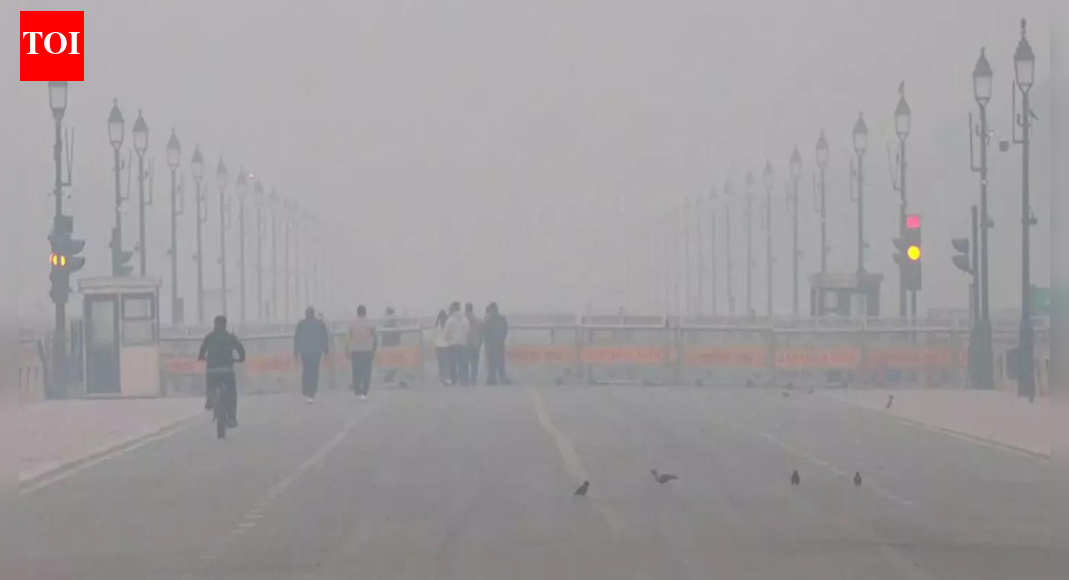

NEW DELHI: The government has told Parliament that there is “no conclusive data” establishing a “direct correlation” between higher air quality index (AQI) levels and lung diseases.In a written response to a Parliament question in Rajya Sabha on Thursday, the Union environment ministry, however, underlined that air pollution is “one of the triggering factors for respiratory ailments and associated diseases”.The ministry’s response was in line with comments in past years on linkages between health issues and air pollution. On July 24, it told the Upper House that there is “no conclusive data available to establish a direct correlation of death exclusively by air pollution”.The ministry had said, “Air pollution is one of the many factors affecting respiratory ailments and associated diseases. Health is impacted by a number of factors which include food habits, occupational habits, socio-economic status, medical history, immunity, heredity etc. of the individuals apart from the environment.” A similar answer was given by the ministry on the issue on July 25 last year in the Rajya Sabha.The ministry’s response on Thursday came to a question by BJP member Laxmikant Bajpayee, who asked whether the govt was aware that studies and medical tests have confirmed that prolonged exposure to hazardous AQI levels in Delhi-NCR is leading to lung fibrosis, an irreversible reduction in lung capacity. He also sought to know whether lung elasticity among citizens of Delhi-NCR has drastically reduced to almost 50% compared to people living in cities with good AQI levels.The BJP Rajya Sabha MP further asked whether the govt has any “solution to save millions of residents of Delhi/NCR from growing deadly diseases like pulmonary fibrosis, COPD, emphysema, reduced lung function and continuously declining lung elasticity”.The ministry in its reply said dedicated training modules have been developed in the area of air pollution for programme managers, medical officers and nurses, nodal officers, sentinel sites, frontline workers such as ASHA, vulnerable groups including women and children, and occupationally exposed groups like traffic police and municipal workers.It said, “Information, education and communication (IEC) materials have been developed targeting air pollution related illnesses in both English, Hindi and also regional languages.“The National Programme on Climate Change and Human Health (NPCCHH) has also developed customized IEC materials targeting various vulnerable groups such as school children, women, occupational vulnerable groups like municipality workers, etc.”


