
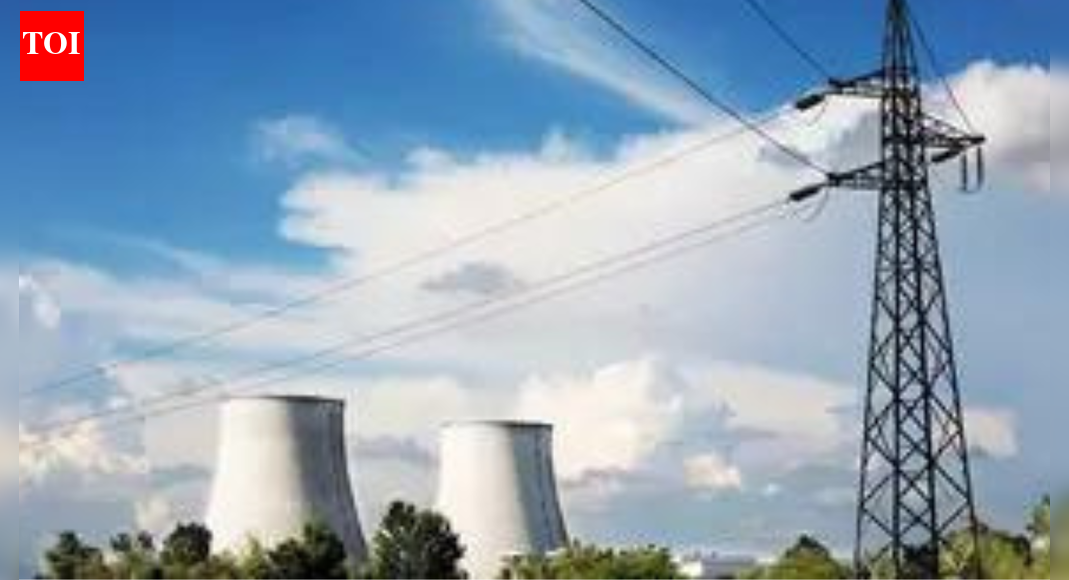
The Lok Sabha on Wednesday SHANTI Bill, 2025, paving the way for private sector participation in India’s nuclear energy industry. This legislation (yet to be passed in Rajya Sabha) introduces a new civil liability framework and strengthens the Atomic Energy Regulatory Board. While crucial operations remain government-controlled, the bill aims to boost nuclear power capacity and applications, encouraging investment in the sector. Representative image NEW DELHI: The Lok Sabha on Wednesday gave its nod to the the nuclear energy bill called the “Sustainable Harnessing and Advancement of Nuclear Energy for Transforming India Bill (SHANTI), 2025”. The bill was passed as opposition staged a walkout, during the ongoing Winter Session.The amended bill was tabled in the lower house, with introduction by MoS for department of atomic energy Jitendra Singh in the House on Monday, signifying a policy shift in the atomic sector operations. The bill allows entry of private players into the industry, something that was reserved for government enterprises till now. Singh said that it provides for “a pragmatic civil liability regime for nuclear damage and to confer statutory status to Atomic Energy Regulatory Board.”The proposed legislation further aims to facilitate significant growth in nuclear energy and its applications across multiple sectors. This aligns with country’s target to establish 100GW of nuclear power capacity by 2047. The law introduces fresh regulatory provisions encompassing updated safety protocols, a specialised nuclear tribunal for resolving disputes, and modifications to the nuclear liability framework to limit risks and encourage investments.The proposed legislation permits private enterprises and their collaborative ventures to seek authorisation for establishing and running nuclear facilities, as well as transporting nuclear fuel. However, crucial operations including uranium enrichment, spent fuel handling and heavy water manufacturing shall continue to be exclusively managed by the Central government. The Centre will maintain oversight of radioactive materials and radiation-producing apparatus to ensure proper safety standards.About the AuthorTOI News DeskThe TOI News Desk comprises a dedicated and tireless team of journalists who operate around the clock to deliver the most current and comprehensive news and updates to the readers of The Times of India worldwide. With an unwavering commitment to excellence in journalism, our team is at the forefront of gathering, verifying, and presenting breaking news, in-depth analysis, and insightful reports on a wide range of topics. The TOI News Desk is your trusted source for staying informed and connected to the ever-evolving global landscape, ensuring that our readers are equipped with the latest developments that matter most.”Read MoreEnd of ArticleFollow Us On Social MediaVideosExplained: The ₹30 Crore Film Deal That Led To Bollywood Director Vikram Bhatt And His Wife’s ArrestIndia Strengthens Maritime Dominance As Second MH-60R Squadron Joins Indian Navy At INS HansaViksit Bharat Shiksha Adhishthan Bill Explained: Education Reform Or A Quiet Erosion Of FederalismNational Herald Case: Kharge Alleges ED Misuse, BJP Strikes Back With ‘Most Corrupt Family’ DigFrom Vande Mataram To Shared Roots: Highlights Of PM Modi’s Historic Speech In Ethiopian ParliamentVande Mataram Echoes In Ethiopia As Singers Honour PM Modi At Banquet Hosted By Abiy Ahmed‘Jhukta Wahi Hai…’: Abhishek Banerjee Cites Kumbh To Defend TMC On Messi Event ChaosPolitical Row Over Op Sindoor: Prithviraj Chavan Doubles Down on ‘Defeat’ Claim, BJP Blasts Congress’Not Symbolic, But Substantive’: India’s AI Summit Puts Global South At Centre Of World AI AgendaAmid Diplomatic Strain, Bangladesh Envoy Hamidullah Seeks Trust And Deeper India Ties On Victory Day123Photostories7 skin symptoms that may signal uncontrolled diabetesFrom Ghost Promotion to Career Shrekking: 5 trends in 2025 that are defining the future of workChef Sanjeev Kapoor’s warm and comforting veg soups for winter monthsKajol × Manish Malhotra: The fashion love story Bollywood still can’t move on fromPariksha Pe Charcha 2026: 6 thoughtful questions to ask PM Modi this yearChristmas in South India: 10 destinations that you shouldn’t miss out onHow to identify signs of depression in your childPost-partum depression: What every parent should know about it9 Reasons to consume Persimmon and how to make 2 ingredient viral Christmas no bake cake with the fruitInside the jewellery vaults of Indian royal families: Iconic head ornaments that owned the moment123Hot PicksBomb Threat AhmedabadPark Medi World sharesPunjab election result 2025Gold rate todaySilver rate todayPublic Holidays DecemberBank Holidays DecemberTop TrendingLuka DoncicStephen CurryMegan Thee StallionStephen Curry and Ayesha Curry RumorsConnor McDavid Luxury Car CollectionGoverment Job VacanciesBukayo Saka and Tolami Benson Net WorthSSN College AdmissionsFortnite Winterfest Release DateRussell Wilson Wife
NEW DELHI: The Lok Sabha on Wednesday gave its nod to the the nuclear energy bill called the “Sustainable Harnessing and Advancement of Nuclear Energy for Transforming India Bill (SHANTI), 2025”. The bill was passed as opposition staged a walkout, during the ongoing Winter Session.The amended bill was tabled in the lower house, with introduction by MoS for department of atomic energy Jitendra Singh in the House on Monday, signifying a policy shift in the atomic sector operations. The bill allows entry of private players into the industry, something that was reserved for government enterprises till now. Singh said that it provides for “a pragmatic civil liability regime for nuclear damage and to confer statutory status to Atomic Energy Regulatory Board.“The proposed legislation further aims to facilitate significant growth in nuclear energy and its applications across multiple sectors. This aligns with country’s target to establish 100GW of nuclear power capacity by 2047. The law introduces fresh regulatory provisions encompassing updated safety protocols, a specialised nuclear tribunal for resolving disputes, and modifications to the nuclear liability framework to limit risks and encourage investments.The proposed legislation permits private enterprises and their collaborative ventures to seek authorisation for establishing and running nuclear facilities, as well as transporting nuclear fuel. However, crucial operations including uranium enrichment, spent fuel handling and heavy water manufacturing shall continue to be exclusively managed by the Central government. The Centre will maintain oversight of radioactive materials and radiation-producing apparatus to ensure proper safety standards.


