
Kerala Fest Claims Centre Refused Clearance; I&B Min Points To Norms Kerala Fest Claims Centre Refused Clearance; I&B Min Points To Norms Thiruvananthapuram/New Delhi: The ongoing 30th International Film Festival of Kerala (IFFK) plunged into a crisis following the Centre’s refusal to grant censor exemption certificates to several films, including Soviet auteur Sergei Eisenstein’s black and white classic, ‘Battleship Potemkin’, leading to cancellations, uncertainty in scheduling and sharp political and artistic reactions.’Battleship Potemkin’ was first released on Dec 21, 1925 and will celebrate its 100th birth anniversary this weekend.However, the Centre on Tuesday rejected allegations of selective denial saying the decision was based purely on procedural grounds. Ministry sources said 178 films were granted exemption out of 187 applications received, adding that the organisers applied for exemption on Dec 3, whereas guidelines require applications to be submitted at least 15 days before the start of a festival.IPL Auction 2026IPL Auction 2026: Full list of sold and unsold players for all teamsIPL 2026 team and squad List: Updated players for all 10 Teams; who got whomThe 30th edition of IFFK began on Dec 12 and will continue till Dec 19.According to organisers, screening permission was denied to some films as they did not have the mandatory censor exemption certificate issued by the Union ministry of information and broadcasting. As a result, seven screenings scheduled over the past two days were cancelled. Organisers warned that the situation could worsen, with up to eight more screenings facing the risk of cancellation if clearances were not received in time.The delay or denial of these exemptions triggered the current impasse, leaving organisers legally barred from proceeding with the screenings, even for internationally acclaimed works.’Battleship Potemkin’, 74 minutes long, invariably figures in every list of “Greatest Films of All time”. The film dramatised the Potemkin crew’s real-life mutiny against its officers in 1905 Czarist Russia. Over the decades, the film’s ‘Odessa Steps’ sequence became part of every cinema syllabus for both cinematographers and editors.Apart from Eisenstein’s film, several other high-profile movies were initially refused permission. Three films under the Palestine package, including ‘Palestine 36’, were also denied permission, raising concerns over selective clearances. ‘Palestine 36’, however, was screened during the opening ceremony as organisers said they had not received the list of restricted films at that time.The state govt said later that the Centre on Tuesday granted clearance to four more films: ‘Beef’, ‘Once Upon A Time In Gaza’, ‘Eagles of the Republic’ and ‘Heart of the Wolf’.Veteran filmmaker Adoor Gopalakrishnan said denying films permission based on titles or perceived themes undermined artistic freedom and the very spirit of international film festivals.CPM general secretary M A Baby alleged that the Centre was deliberately attempting to sabotage the festival, accusing it of interfering in cultural spaces. Congress MP Shashi Tharoor intervened in the matter, seeking an early resolution to prevent further disruption to the festival.Meanwhile, Kerala’s cultural affairs minister Saji Cherian directed the State Chalachitra Academy to ensure that none of the selected films were dropped and asserted that all films would be screened in accordance with the original schedule.End of ArticleFollow Us On Social MediaVideosPM Modi Holds Talks With Abiy Ahmed Ali, India-Ethiopia Ties Elevated To Strategic PartnershipLok Sabha Erupts Over MGNREGA: Priyanka Gandhi, Tharoor Slam VB‑G RAM G Bill, Shivraj Singh RespondsEx-Maharashtra CM Prithviraj Chavan’s ‘Op Sindoor’ Remark Sparks Row, BJP Hits BackFrom Jordan To Ethiopia: How PM Modi’s Viral Car Diplomacy Is Redefining Diplomatic OpticsBondi Beach Shooting: Terrorists’ Origin Mystery Deepens As Indian Passport, Hyderabad Link EmergesIn Israel, Jaishankar Condoles Sydney Attack Targeting Jews, Sends Zero Tolerance on Terror MessagePM Modi Lands In Addis Ababa, Indian Diaspora In Ethiopia Awaits To Meet PMFrom Kolkata Chaos to Delhi Celebration: Lionel Messi’s G.O.A.T India Tour At A GlancePM Modi Pitches New Economic Corridor As King Abdullah Praises India’s Growth At Jordan Forum MeetPriyanka Gandhi Targets VB-G RAM G Bill Over MGNREGA, Blasts Centre’s Name Change Tactics123PhotostoriesBaghban, Hum Saath Saath Hain, Kabhi Alvida Naa Kehna where family and love demand courage and sacrifice4 common fruits and their parts to avoid and why9 fruits and vegetables that are the best sources of ironFrom frilled lizards to Mandrills: 5 cool animals that stand out from the othersHow to make Beetroot Pulao for weekday dinner during winterIs Your Ruling Planet Upset With You? Watch These Warning SignsShakira makes a case for sustainable fashion as she re-wears Gaurav Gupta couture for a milestone performanceFrom a walk-in wardrobe to a bathtub: Debinna Bonnerjee and Gurmeet Choudhary give a glimpse into their aesthetically done white havenTop 10 fastest wealth creators: Which stocks have grown your money the most in the last 5 years? Check List10 world leaders and their favourite foods123Hot Picksilia TopuriaCorona RemediesJetBlue flight VenezuelaGold rate todaySilver rate todayPublic Holidays NovemberBank Holidays NovemberTop TrendingRams Fan FallGabrielle UnionVanessa BryantNicholas HumTyreek HillCBSE Class 10 Biology Exam Preparation 2026Bukayo Saka and Tolami Benson Net WorthConnor McDavidZac TaylorTyler Glasnow

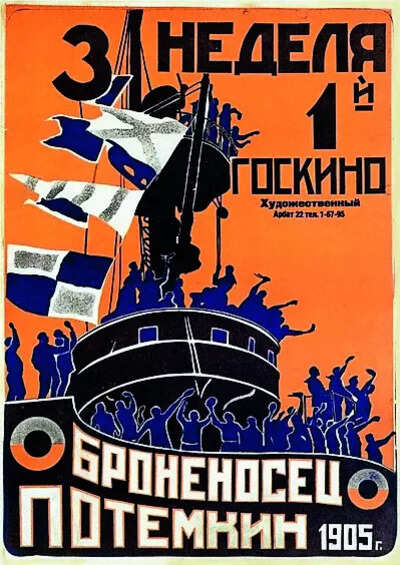
Thiruvananthapuram/New Delhi: The ongoing 30th International Film Festival of Kerala (IFFK) plunged into a crisis following the Centre’s refusal to grant censor exemption certificates to several films, including Soviet auteur Sergei Eisenstein’s black and white classic, ‘Battleship Potemkin’, leading to cancellations, uncertainty in scheduling and sharp political and artistic reactions.‘Battleship Potemkin’ was first released on Dec 21, 1925 and will celebrate its 100th birth anniversary this weekend.However, the Centre on Tuesday rejected allegations of selective denial saying the decision was based purely on procedural grounds. Ministry sources said 178 films were granted exemption out of 187 applications received, adding that the organisers applied for exemption on Dec 3, whereas guidelines require applications to be submitted at least 15 days before the start of a festival.The 30th edition of IFFK began on Dec 12 and will continue till Dec 19.According to organisers, screening permission was denied to some films as they did not have the mandatory censor exemption certificate issued by the Union ministry of information and broadcasting. As a result, seven screenings scheduled over the past two days were cancelled. Organisers warned that the situation could worsen, with up to eight more screenings facing the risk of cancellation if clearances were not received in time.The delay or denial of these exemptions triggered the current impasse, leaving organisers legally barred from proceeding with the screenings, even for internationally acclaimed works.‘Battleship Potemkin’, 74 minutes long, invariably figures in every list of “Greatest Films of All time”. The film dramatised the Potemkin crew’s real-life mutiny against its officers in 1905 Czarist Russia. Over the decades, the film’s ‘Odessa Steps’ sequence became part of every cinema syllabus for both cinematographers and editors.Apart from Eisenstein’s film, several other high-profile movies were initially refused permission. Three films under the Palestine package, including ‘Palestine 36’, were also denied permission, raising concerns over selective clearances. ‘Palestine 36’, however, was screened during the opening ceremony as organisers said they had not received the list of restricted films at that time.The state govt said later that the Centre on Tuesday granted clearance to four more films: ‘Beef’, ‘Once Upon A Time In Gaza’, ‘Eagles of the Republic’ and ‘Heart of the Wolf’.Veteran filmmaker Adoor Gopalakrishnan said denying films permission based on titles or perceived themes undermined artistic freedom and the very spirit of international film festivals.CPM general secretary M A Baby alleged that the Centre was deliberately attempting to sabotage the festival, accusing it of interfering in cultural spaces. Congress MP Shashi Tharoor intervened in the matter, seeking an early resolution to prevent further disruption to the festival.Meanwhile, Kerala’s cultural affairs minister Saji Cherian directed the State Chalachitra Academy to ensure that none of the selected films were dropped and asserted that all films would be screened in accordance with the original schedule.


