
Ex Chief Justice of India BR Gavai stated he faced no executive pressure and defended the Collegium system’s transparency. He cautioned against judicial overreach, emphasizing courts must act within constitutional limits, especially when addressing “bulldozer justice” and collective punishment. NEW DELHI: Former Chief Justice of India BR Gavai, who demitted office on November 23, said on Wednesday he never experienced pressure from the executive or political leaders during his tenure and maintained that the Collegium system is transparent. Speaking to ANI, he responded to a question on political influence by saying, “No, genuinely no…”Former CJI B.R. Gavai Clarifies He Never Faced Political Or Executive Pressure During His TenureReiterating the constitutional separation of powers, Gavai said the judiciary functions independently and the allegation that Collegium appointments lack transparency is “not well-founded.” He also dismissed the idea of prescribing a fixed tenure for CJIs or Supreme Court judges, noting that shorter terms do not affect judicial performance.On the role and limits of judicial intervention, Gavai cautioned against overreach. “There are limits within which judicial activism should act. As I always say, judicial activism should not turn into judicial terrorism,” he said.He emphasised that courts must step in when vulnerable citizens cannot approach the system due to socio-economic barriers, but even then, constitutional boundaries must be respected.Discussing the Supreme Court’s ruling against “bulldozer justice”, where state authorities demolished homes of individuals accused of crimes, the former CJI said the Court acted after noticing that properties were being razed without notice or legal sanction. He described such instances as clear executive overreach.”When merely because a citizen was involved in a criminal act, his house was demolished… it was like taking the law into one’s own hands,” he said, adding that families of the accused suffer unjustly. “What is the crime committed by his family? Why bulldoze their roof?” he asked, questioning the constitutional basis of collective punishment.Gavai noted that the Court allowed citizens to directly approach High Courts in demolition cases and laid down strict norms to fix accountability. Illegal demolitions, he said, could require the government to rebuild structures and recover costs from officials responsible.Reflecting on his tenure of six months and 10 days, he said, “It included summer vacation, Dussehra vacation and Diwali vacation. But I could perform whatever I had anticipated and planned out. I don’t think it’s necessary,” when asked whether a fixed tenure should be mandated.About the AuthorTOI News DeskThe TOI News Desk comprises a dedicated and tireless team of journalists who operate around the clock to deliver the most current and comprehensive news and updates to the readers of The Times of India worldwide. With an unwavering commitment to excellence in journalism, our team is at the forefront of gathering, verifying, and presenting breaking news, in-depth analysis, and insightful reports on a wide range of topics. The TOI News Desk is your trusted source for staying informed and connected to the ever-evolving global landscape, ensuring that our readers are equipped with the latest developments that matter most.”Read MoreEnd of ArticleFollow Us On Social MediaVideos“Being Examined”: MEA On Dhaka’S Request To Extradite Sheikh Hasina”There Was No Fear on His Face”: Survivor Recounts Trauma of Mumbai 26/11 AttacksPakistan On Edge As Imran Khan’s Sisters Assaulted At Jail And Social Media Fuels Death Speculation’Spur Of The Moment’: Former CJI Gavai Reacts To Shoe-Attack Attempt, Reveals Why He Took No Action’No Amount of Denial’ Will Change Arunachal’s Status: India’s BOLD Response To China Over Border Row’No Moral Standing’: India Slams Pakistan’s Rant On Ayodhya Event, Calls Out Bigotry And RepressionKhawaja Asif Admits Pakistan Can’t Trust Taliban As Deadly Border Strikes Trigger New FlashpointFormer CJI B.R. Gavai Clarifies He Never Faced Political Or Executive Pressure During His Tenure“India Matters To Safran,” Ceo Oliver Andriès Highlights Partnership At New Mro Facility LaunchKorean Lawmaker Highlights Ancient Ties, Calling Ayodhya A Symbolic Bridge Between Two Nations123PhotostoriesDipika Kakar gets emotional after visiting Ajmer Sharif Dargah with Shoaib Ibrahim and son; says ‘Jab Ruhaan NICU mein tha tab maine mannat maangi thi’Harvard trained Gastroenterologist lists 6 best seeds for different health problemsThanksgiving 2025: 10 décor ideas you won’t cost you anything5 kings with the longest reigns in history, and how they are shining examples of a lasting legacyThis drink can help burn cholesterol naturally and effectively; recipe inside‘Mass Jathara’ to ‘The Pet Detective’: South movies to stream on OTT this weekend5 Ayurvedic mistakes to avoid and 8 comforting vegetarian soups for winterShraddha Kapoor to Fatima Sana Sheikh: 5 viral celeb looks of the day you need to seeMarried to THIS Bollywood actress and running a Rs 60,000-crore empire, the net worth of this Harvard-trained business tycoon will leave you stunned‘GST’ to ‘Revolver Rita’: South Indian movies to watch in theatres this weekend123Hot PicksDelhi AQI TodayNew Labour CodeCyclone SenyarGold rate todaySilver rate todayPublic Holidays NovemberBank Holidays NovemberTop TrendingJill Roord and Pien SandersAyesha CurryVirat Kohli BrotherKarnataka Road CrashStefon DiggsMLB Trade RumorsRiley GainesJordon HudsonShophie CunninghamJaiquawn Jay
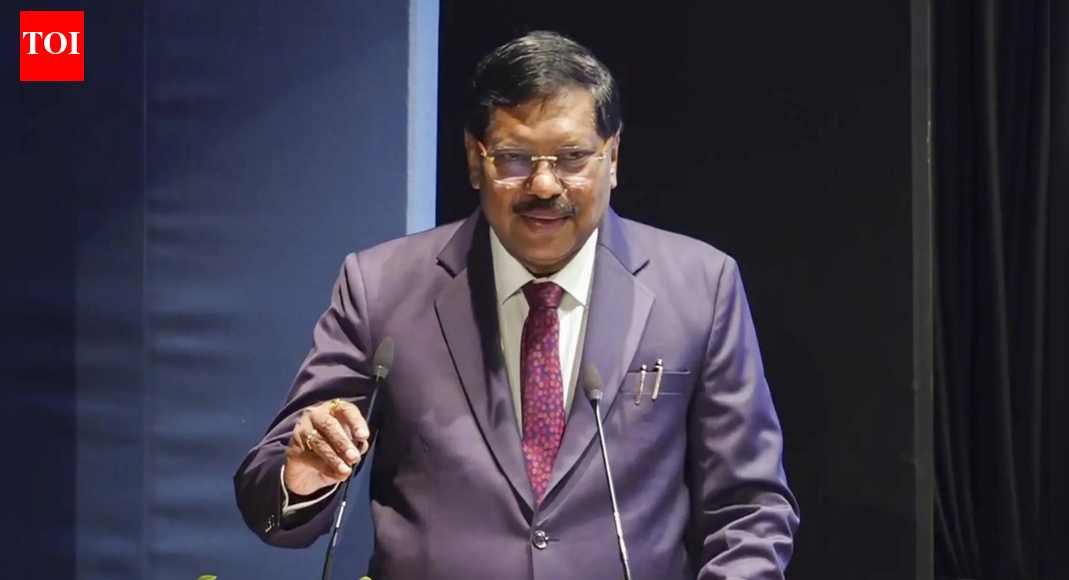

NEW DELHI: Former Chief Justice of India BR Gavai, who demitted office on November 23, said on Wednesday he never experienced pressure from the executive or political leaders during his tenure and maintained that the Collegium system is transparent. Speaking to ANI, he responded to a question on political influence by saying, “No, genuinely no…”
Reiterating the constitutional separation of powers, Gavai said the judiciary functions independently and the allegation that Collegium appointments lack transparency is “not well-founded.” He also dismissed the idea of prescribing a fixed tenure for CJIs or Supreme Court judges, noting that shorter terms do not affect judicial performance.On the role and limits of judicial intervention, Gavai cautioned against overreach. “There are limits within which judicial activism should act. As I always say, judicial activism should not turn into judicial terrorism,” he said.He emphasised that courts must step in when vulnerable citizens cannot approach the system due to socio-economic barriers, but even then, constitutional boundaries must be respected.Discussing the Supreme Court’s ruling against “bulldozer justice”, where state authorities demolished homes of individuals accused of crimes, the former CJI said the Court acted after noticing that properties were being razed without notice or legal sanction. He described such instances as clear executive overreach.“When merely because a citizen was involved in a criminal act, his house was demolished… it was like taking the law into one’s own hands,” he said, adding that families of the accused suffer unjustly. “What is the crime committed by his family? Why bulldoze their roof?” he asked, questioning the constitutional basis of collective punishment.Gavai noted that the Court allowed citizens to directly approach High Courts in demolition cases and laid down strict norms to fix accountability. Illegal demolitions, he said, could require the government to rebuild structures and recover costs from officials responsible.Reflecting on his tenure of six months and 10 days, he said, “It included summer vacation, Dussehra vacation and Diwali vacation. But I could perform whatever I had anticipated and planned out. I don’t think it’s necessary,” when asked whether a fixed tenure should be mandated.


