
Chief Justice BR Gavai defended the collegium system, stressing the importance of filtering out the ‘creamy layer’ from SC quotas and urging the government to take action. He expressed regret over not appointing enough women judges during his tenure and reaffirmed his decision to forgo post-retirement positions, ensuring his contentment with his judicial service. Chief Justice BR Gavai defended the collegium system, stressing the importance of filtering out the ‘creamy layer’ from SC quotas and urging the government to take action. He expressed regret over not appointing enough women judges during his tenure and reaffirmed his decision to forgo post-retirement positions, ensuring his contentment with his judicial service. NEW DELHI: Defending the collegium, the outgoing Chief Justice of India BR Gavai, emphasised the need to exclude the creamy layer from the Scheduled Caste quota, and expressed regret over not appointing any women judges during his tenure.According to PTI, Gavai said he leaves the institution with a deep sense of satisfaction and contentment. Reiterating his decision not to accept any post-retirement assignments, he said, “I made it clear when I took office that I would not take up any position after retirement. For the next 9-10 days, it’s a cooling-off period. After that, a new chapter begins,” he said.BR Gavai is the 52nd Chief Justice, the first Buddhist and second Dalit to head the Supreme Court after KG Balakrishnan. Addressing the issue of the “creamy layer” within caste-based reservations, CJI Gavai said the Supreme Court has “done its part,” but it is now up to the government and Parliament to implement changes to ensure that benefits reach the truly marginalised sections.Last year, as part of a landmark judgment, the Supreme Court approved subclassification within scheduled castes and scheduled tribes, a move aimed at preventing the creation of a “class within a class” in reservation benefits.Justice Gavai, who was part of the bench for that judgment, emphasised that equality must permeate through all levels and cautioned against the continued misuse of reservations by families that have already progressed socioeconomically.”We have seen many Scheduled Caste families prosper, yet they still avail reservation benefits,” he said, pointing out cases where children of SC/ST IAS officers seek quota-based advantages.In his judgment, he wrote, “The State must formulate a policy to identify the creamy layer among SC/ST categories and exclude them from affirmative action. This is the only way to achieve true equality.”Chief Justice Gavai, who retires tomorrow, remains a significant figure as only the second Dalit to lead India’s highest judicial body. His reflections highlight ongoing challenges in implementing caste-based reservation reforms effectively.About the AuthorTOI News DeskThe TOI News Desk comprises a dedicated and tireless team of journalists who operate around the clock to deliver the most current and comprehensive news and updates to the readers of The Times of India worldwide. With an unwavering commitment to excellence in journalism, our team is at the forefront of gathering, verifying, and presenting breaking news, in-depth analysis, and insightful reports on a wide range of topics. The TOI News Desk is your trusted source for staying informed and connected to the ever-evolving global landscape, ensuring that our readers are equipped with the latest developments that matter most.”Read MoreEnd of ArticleFollow Us On Social MediaVideos‘Sindh May Return To India Again’: Rajnath Singh’s Big Remark On India-Pakistan Border’No Longer Optional’: PM Modi Calls For UNSC Reforms At IBSA Meet; Urges United Stand Against Terror‘Extensive Misinformation’: French Navy Slams Pakistan Media Report Over Op Sindoor ClaimsModi Pitches New Era Of Unified Global Response With Satellite Data And Minerals Initiative”Govt Is Making Sure Muslims Never Raise Their Heads”: Jamiat Chief On Al-Falah ActionIAF Officer Namansh Syal Flown Back to India After Tejas Jet Crash in Dubai Air ShowShah Rukh Khan Pays Tribute To Victims Of Pahalgam And Delhi Blasts at Global Peace Honours 2025Piyush Goyal Completes Three Day Israel Visit Emphasizing Strengthened Ties And Future CooperationTrump Says He Brokered Eight Peace Deals Including India And Pakistan During Mamdani MeetUP Gears Up For Biggest Crackdown Yet As CM Yogi Mandates Detention Hubs For Illegal Immigrants123PhotostoriesAriana Grande and Cynthia Erivo: 5 co-stars who went from strangers to best friendsFun English family dramas you simply can’t missBeyond the cape: Unveiling the top superhero animeRashmika Mandanna’s chic-cosy winter wardrobe is worth bookmarkingBetter sleep to heart health: Top 5 benefits of walking for 15-minutes right after mealsSonam Kapoor to Ananya Panday: Today’s most viral celebrity fashion moments7 beautiful night-blooming flowers with invigorating fragranceMeet the actress whose debut was a massive flop, then delivered India’s first Rs 1000-crore blockbuster11 incredible things about rhinos that will surprise youLionel Messi and wife Antonela’s top 5 parenting tips123Hot PicksDelhi AQI TodayBihar Minister List 2025Bihar CM Oath CeremonyGold rate todaySilver rate todayPublic Holidays NovemberBank Holidays NovemberTop TrendingNHL InjuryAuston Matthews InjuryCola Social Security PaymentsBrittany MahomesCanada Citizenship ActMichael IrvinSmriti MandhanaJosh Allen InjuryTejas CrashFortnite Chapter 7 Leaked
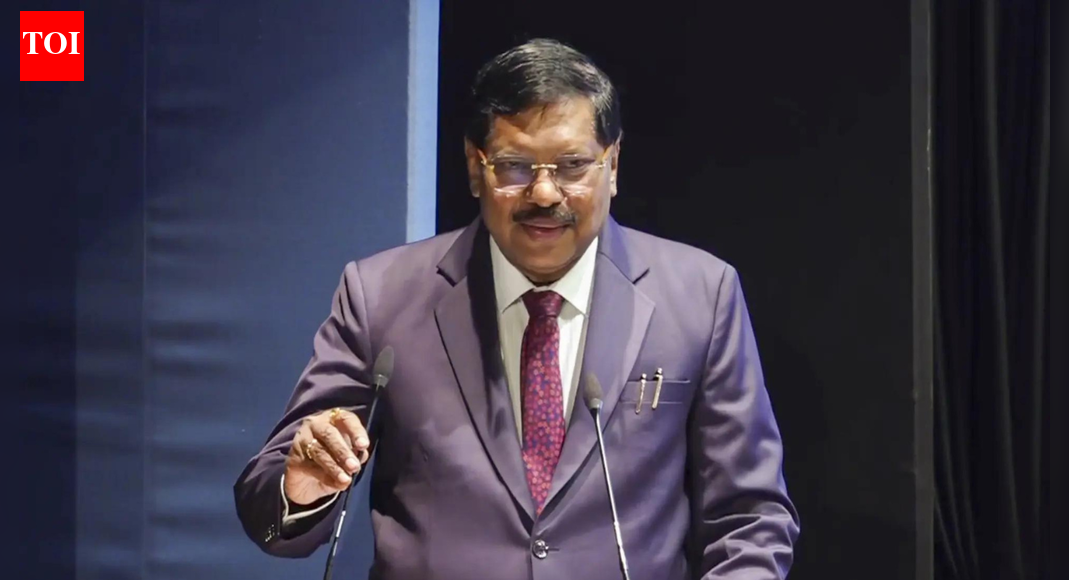
NEW DELHI: Defending the collegium, the outgoing Chief Justice of India BR Gavai, emphasised the need to exclude the creamy layer from the Scheduled Caste quota, and expressed regret over not appointing any women judges during his tenure.According to PTI, Gavai said he leaves the institution with a deep sense of satisfaction and contentment. Reiterating his decision not to accept any post-retirement assignments, he said, “I made it clear when I took office that I would not take up any position after retirement. For the next 9-10 days, it’s a cooling-off period. After that, a new chapter begins,” he said.BR Gavai is the 52nd Chief Justice, the first Buddhist and second Dalit to head the Supreme Court after KG Balakrishnan. Addressing the issue of the “creamy layer” within caste-based reservations, CJI Gavai said the Supreme Court has “done its part,” but it is now up to the government and Parliament to implement changes to ensure that benefits reach the truly marginalised sections.Last year, as part of a landmark judgment, the Supreme Court approved subclassification within scheduled castes and scheduled tribes, a move aimed at preventing the creation of a “class within a class” in reservation benefits.Justice Gavai, who was part of the bench for that judgment, emphasised that equality must permeate through all levels and cautioned against the continued misuse of reservations by families that have already progressed socioeconomically.“We have seen many Scheduled Caste families prosper, yet they still avail reservation benefits,” he said, pointing out cases where children of SC/ST IAS officers seek quota-based advantages.In his judgment, he wrote, “The State must formulate a policy to identify the creamy layer among SC/ST categories and exclude them from affirmative action. This is the only way to achieve true equality.”Chief Justice Gavai, who retires tomorrow, remains a significant figure as only the second Dalit to lead India’s highest judicial body. His reflections highlight ongoing challenges in implementing caste-based reservation reforms effectively.


