
Bihar’s recent assembly elections saw the NDA achieve a significant win. The coalition’s strategy focused on women-centric welfare programs and various giveaways. These initiatives, including cash allowances and grants, resonated strongly with voters, particularly women and first-time voters. This approach proved successful, mirroring similar electoral outcomes in Madhya Pradesh and Maharashtra. In Bihar’s political theatre, irony has always been the opening act, and Nitish Kumar, the master of reinvention, once again turned contradiction into victory.With the National Democratic Alliance (NDA) sweeping the assembly elections by surging past the half-way mark, one wonders what could have been the X-factor that made the people of one of the poorest states vote in favour of the incumbent government.‘Full Stop to Many Questions’ Chirag Paswan Hails PM Modi, Nitish as NDA Soars Past 200 SeatsNot long ago, Kumar had mocked the politics of freebies, declaring that “electricity will not be given for free” — a thinly veiled jibe at Arvind Kejriwal’s Delhi model. Prime Minister Narendra Modi, too, had warned against the “revadi culture,” accusing rival parties of trying to “buy out people” with giveaways instead of building lasting infrastructure. Yet, a year later, the same duo leaned on what they once derided.Election Results 2025Bihar election results: Bihar votes for ‘sushasan’; NDA cruising towards clean sweepBihar election results: Top winners and losersWomen, welfare and the ‘phoenix’ CM: How Nitish-led NDA crushed MGB in Bihar electionsFrom tablets for Vikas Mitras to cash allowances for unemployed youth, the NDA’s campaign brimmed with giveaways. Nitish Kumar, once the critic of populism, turned practitioner, rolling out sops for women, students, and workers, blurring the line between welfare and wooing. The alliance that once swore by roads and railways now found its rhythm in revadis.In the run-up to the Bihar polls, the chief minister doubled down with a cascade of cash allowances, gadgets, and welfare sops: unemployment benefits for the youth, tablet grants for Vikas Mitras, smartphones for educators, and enhanced pensions for the elderly and widows. The NDA’s campaign, once anchored in governance and growth, found itself powered by the very handouts its leaders had once scorned.Ironically, the strategy worked. As the results rolled in, the NDA’s mix of welfare and wooing delivered a decisive win, especially among women and first-time voters. The same “revadis” once dismissed as dangerous to democracy had turned into the secret sauce of Nitish Kumar’s survival — proof that in Indian politics, even the fiercest critics of freebies eventually learn to serve them sweet.The XX-chromosome factorIn Bihar, the NDA’s women-centric schemes emerged as the X-factor in its electoral strategy, mirroring the impact of similar programs in Maharashtra and Madhya Pradesh. The Mukhyamantri Mahila Rojgar Yojana, offering seed funding and follow-up support for women entrepreneurs, gave the coalition a tangible connection with a crucial voter base. Just as the Ladli Behna scheme in MP and the Majhi Ladki Bahin program in Maharashtra boosted turnout and loyalty among female voters, Bihar’s initiative strengthened the NDA’s appeal in rural and semi-urban areas.Beyond women’s schemes, the coalition combined broad welfare measures with targeted grassroots support. Free electricity for the first 125 units, tablet and smartphone grants for Vikas Mitras and Shiksha Sevaks, and increased pensions for senior citizens and the disabled created a multi-layered support network across communities. These measures ensured that both household-level and institutional influencers felt directly invested in the government’s success.Frontline and working-class groups were also courted through clothing allowances for construction workers and raised honorariums for ASHA, Anganwadi, and Jeevika workers. Together with the promise of one crore jobs over five years, these interventions built a narrative of inclusive welfare and governance—helping the NDA replicate the formula of women-driven, benefit-backed victories seen in MP and Maharashtra.MP, Maha, Delhi: Lessons from historyAcross states, the BJP and its allies rode to victory on the strength of aggressive, women-focused welfare schemes. In Madhya Pradesh, the Ladli Behna Yojana became the centerpiece of the campaign, offering monthly cash support that was later promised to rise to ₹3,000. The scheme’s wide reach and direct financial appeal turned women voters into a decisive bloc, helping the BJP secure a clear edge over the Congress.Maharashtra saw a similar pattern. The Mahayuti alliance’s Majhi Ladki Bahin Yojana reshaped the electoral map, with beneficiary-heavy districts delivering some of the coalition’s strongest results. A marked rise in women’s turnout underscored how deeply these cash transfers influenced voting behaviour, particularly in regions facing economic strain.Even in Delhi, the election became a contest of competing welfare promises. While all parties offered free electricity, water, transport and financial aid, the BJP ultimately benefited from a perception that welfare needed to be backed by credible governance. Taken together, these results show a clear trend: targeted freebies—especially for women—didn’t just shape the narrative, they shaped the outcome.End of ArticleFollow Us On Social MediaVideos‘Full Stop to Many Questions’ Chirag Paswan Hails PM Modi, Nitish as NDA Soars Past 200 SeatsKerala Teenager Dies in Dubai After Rooftop Fall While Trying To Take Photos of Low-Flying PlanesPakistan’s Costly Lobbying Blitz Won Access To Trump As India Faced The Harshest Tariffs, Claims NYTChilling Terror Attack Masterplan: How Medical Professionals Built A 5-Step Nationwide Bombing PlotBihar Assembly Poll Results: NDA Touches 200-Seat Lead, Congress Intensifies SIR, Vote Chori AttacksFirst-Time Woman Voter in Danapur Explains Why Nitish Kumar Scored Massive Landslide Win in BiharIndia Negotiating Multiple FTAs To Boost Free Flow Of Capital And Trade: Piyush Goyal‘Not Just Congress’: Tharoor Calls Out RJD Amid NDA’s Big Bihar Lead‘Pak Ready For Two-Front War’: Khawaja Asif’s Hollow Threat To India After Islamabad BlastCDS Anil Chauhan Issues Red Line To Defence Industry, Warns Against Delays And Overpromising123PhotostoriesKriti Sanon to Tamannaah Bhatia: Top 5 celeb outfits of the dayHow to grow strawberries in pots in balcony garden during winters11 vegetarian dishes of Bihar you can’t missWorld Diabetes Day 2025: Managing dessert cravings at 70 and beyondNew voices redefining the spirit of Bollywood cinemaWhich Plant You Should Bring Home As Per Your Date of BirthMetabolic doctor reveals top 10 foods to reduce triglycerides naturally7 most colourful frog species in the worldAfter Bihar poll debacle, what’s next for Tejashwi Yadav and a shaken RJD?Diabetes: Lesser-known symptoms women should be careful about123Hot PicksAlinagar Election ResultRaghopur Election ResultBihar Election Result 2025Gold rate todaySilver rate todayPublic Holidays NovemberBank Holidays NovemberTop TrendingBihar Election CandidatesAlinagar Election ResultKargahar Election ResultPrashant KishorChirag PaswanAssembly Election BiharRaghopur Election ResultMahua Election ResultPune Bridge AccidentAnta Election Result
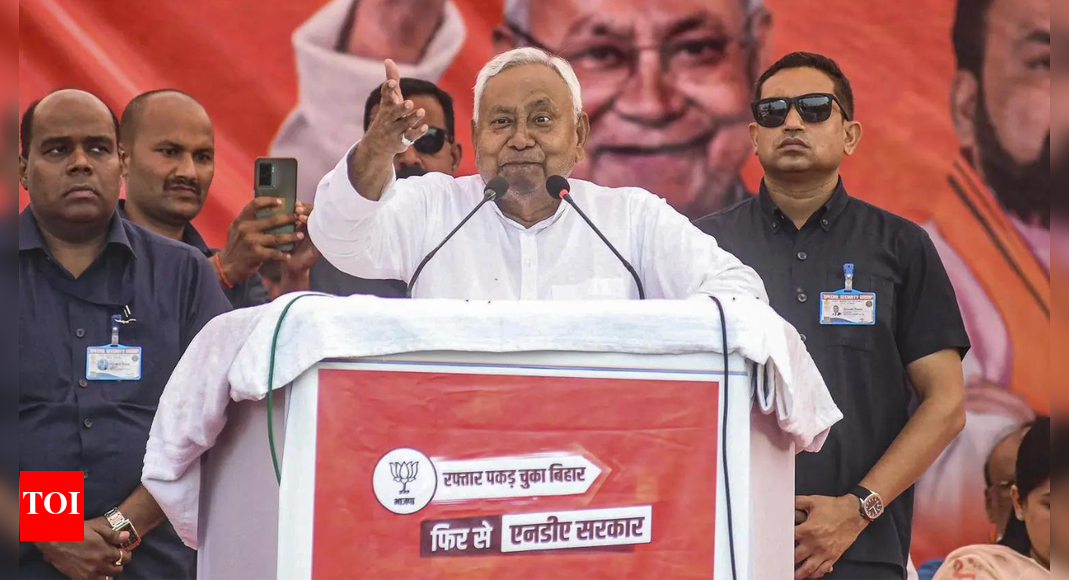
In Bihar’s political theatre, irony has always been the opening act, and Nitish Kumar, the master of reinvention, once again turned contradiction into victory.With the National Democratic Alliance (NDA) sweeping the assembly elections by surging past the half-way mark, one wonders what could have been the X-factor that made the people of one of the poorest states vote in favour of the incumbent government.
Not long ago, Kumar had mocked the politics of freebies, declaring that “electricity will not be given for free” — a thinly veiled jibe at Arvind Kejriwal’s Delhi model. Prime Minister Narendra Modi, too, had warned against the “revadi culture,” accusing rival parties of trying to “buy out people” with giveaways instead of building lasting infrastructure. Yet, a year later, the same duo leaned on what they once derided.From tablets for Vikas Mitras to cash allowances for unemployed youth, the NDA’s campaign brimmed with giveaways. Nitish Kumar, once the critic of populism, turned practitioner, rolling out sops for women, students, and workers, blurring the line between welfare and wooing. The alliance that once swore by roads and railways now found its rhythm in revadis.In the run-up to the Bihar polls, the chief minister doubled down with a cascade of cash allowances, gadgets, and welfare sops: unemployment benefits for the youth, tablet grants for Vikas Mitras, smartphones for educators, and enhanced pensions for the elderly and widows. The NDA’s campaign, once anchored in governance and growth, found itself powered by the very handouts its leaders had once scorned.Ironically, the strategy worked. As the results rolled in, the NDA’s mix of welfare and wooing delivered a decisive win, especially among women and first-time voters. The same “revadis” once dismissed as dangerous to democracy had turned into the secret sauce of Nitish Kumar’s survival — proof that in Indian politics, even the fiercest critics of freebies eventually learn to serve them sweet.

The XX-chromosome factor
In Bihar, the NDA’s women-centric schemes emerged as the X-factor in its electoral strategy, mirroring the impact of similar programs in Maharashtra and Madhya Pradesh. The Mukhyamantri Mahila Rojgar Yojana, offering seed funding and follow-up support for women entrepreneurs, gave the coalition a tangible connection with a crucial voter base. Just as the Ladli Behna scheme in MP and the Majhi Ladki Bahin program in Maharashtra boosted turnout and loyalty among female voters, Bihar’s initiative strengthened the NDA’s appeal in rural and semi-urban areas.Beyond women’s schemes, the coalition combined broad welfare measures with targeted grassroots support. Free electricity for the first 125 units, tablet and smartphone grants for Vikas Mitras and Shiksha Sevaks, and increased pensions for senior citizens and the disabled created a multi-layered support network across communities. These measures ensured that both household-level and institutional influencers felt directly invested in the government’s success.Frontline and working-class groups were also courted through clothing allowances for construction workers and raised honorariums for ASHA, Anganwadi, and Jeevika workers. Together with the promise of one crore jobs over five years, these interventions built a narrative of inclusive welfare and governance—helping the NDA replicate the formula of women-driven, benefit-backed victories seen in MP and Maharashtra.
MP, Maha, Delhi: Lessons from history
Across states, the BJP and its allies rode to victory on the strength of aggressive, women-focused welfare schemes. In Madhya Pradesh, the Ladli Behna Yojana became the centerpiece of the campaign, offering monthly cash support that was later promised to rise to ₹3,000. The scheme’s wide reach and direct financial appeal turned women voters into a decisive bloc, helping the BJP secure a clear edge over the Congress.Maharashtra saw a similar pattern. The Mahayuti alliance’s Majhi Ladki Bahin Yojana reshaped the electoral map, with beneficiary-heavy districts delivering some of the coalition’s strongest results. A marked rise in women’s turnout underscored how deeply these cash transfers influenced voting behaviour, particularly in regions facing economic strain.Even in Delhi, the election became a contest of competing welfare promises. While all parties offered free electricity, water, transport and financial aid, the BJP ultimately benefited from a perception that welfare needed to be backed by credible governance. Taken together, these results show a clear trend: targeted freebies—especially for women—didn’t just shape the narrative, they shaped the outcome.


