
. NEW DELHI/MUMBAI: Amid a depreciating rupee, commerce and industry minister Piyush Goyal on Thursday said govt is considering several measures to contain the widening current account deficit (CAD). “We are monitoring the situation. All the various arms of the govt are working as a team. Several steps are under consideration. The situation globally is quite challenging, but we have the confidence and courage of conviction that we will come out winners even in this challenging time,” Goyal told reporters. While maintaining that govt has no plans to cut non-essential imports, the minister said public has been urged to be more conscious on products, which are import-dependent. A few days ago, PM Narendra Modi had urged citizens to defer gold purchases and avoid destination weddings overseas. Gold imports rose 24% to an all-time high of $72 billion during the last financial year, although volumes fell 4.8% to 721 tonnes. Silver imports soared 150% $12 billion last year, with volumes rising 42% to 7,335 tonnes. Govt has responded by raising import duty from 6% to 15%. “With the prospect of oil trade deficit increasing and likely pressure on remittances from West Asia, we forecast India’s current account deficit (CAD) to rise to 2.2% this fiscal from an estimated 0.8% last fiscal,” Crisil economists led by DK Joshi said in a recent analysis. While trade deficit was driven by a spike in gold and silver prices last year, the oil shock following the West Asia conflict and the withdrawal of portfolio investment has resulted in a massive weakening of the rupee, which flirted with the 97-mark against the dollar on Wednesday. On Thursday, however, it ended 62 paise higher at 96.20, aided by central bank intervention and a pullback in crude oil prices. The Indian currency is amongst the worst performers in Asia, having depreciated around 7% so far in 2026. Dealers said the rupee opened 50 paise stronger and gained ground with heavy duty intervention by public sector banks on behalf of RBI. “The recovery in rupee is currently being driven more by profit-booking and softer crude prices rather than any major structural reversal, though lower oil prices can continue to provide temporary relief to the currency,” said Jateen Trivedi, research analyst with LKP Securities. A weak rupee is bad news for imports, especially crude, as it can fuel domestic inflation. “This exogenous energy shock has upset the macro-apple cart and kept the rupee under pressure. Compared with previous crises, India’s external balances are starting from a much stronger position, particularly in terms of current account stability and foreign exchange reserves,” DBS economist Radhika Rao and forex strategist Philip Lee said in a note on Wednesday.End of ArticleFollow Us On Social MediaVideosCalcutta High Court Junks Pleas On West Bengal Cattle Slaughter Rules Ahead Of Bakr Eid‘Menon’ Surname Row: VD Satheesan Faces Heat From Kerala Congress Leaders Over Oath Name ChoiceIUML And VCK To Also Join Vijay Cabinet In Tamil Nadu, Expansion Tomorrow: ReportTMC Protests Against BJP Government Over Alleged Forced Eviction Of Hawkers In BengalTamil Nadu Cabinet Expansion: Congress MLAs Get Portfolios, Governor Stops Oath Praise Of LeadersNibe Successfully Tests Vayu Astra-1 Loitering Munition In Maiden TrialsCJP X Account Withheld In India After Crossing 200K Followers In Just Four Days | WatchFIR Sought Against Rahul Gandhi Over ‘Traitors’ Remark On PM Modi, Amit ShahAir India Flight AI2651 Hits Tail During Landing, Aircraft Grounded For Inspection At BengaluruViral Cockroach Janta Party Overtakes Congress And BJP In Instagram Followers Race | Watch123PhotostoriesLove quote of the day by Maya Angelou: “First best is falling in love, second best is…”Morning affirmation at 5 am: The sunrise ritual people swear by for a calmer day10 traditional Indian foods that PM Modi gifted world leaders during his 5-nation tourFrom chubby little Gangubai to a fit and fab young actress after losing 22 Kgs; Saloni Daini’s stunning transformation is inspiringDeepika Padukone’s Cannes looks through the yearsPlants that thrive during Indian monsoon without rotting5 desi Indian teas among the Top 50 Teas in the WorldVanessa Trump diagnosed with breast cancer: Inside her life after divorce with Donald Trump Jr.5 White foods you must avoid for good health5 real estate hotspots near newly-opened Navi Mumbai Airport seeing massive growth123Hot PicksBandra demolition driveIPL Schedule 2026Indian rupeeFalta VotingUK NET MigrationElon MuskTN Ministers ListTop TrendingTN Finance Minister Marie WilsonIPL Match TodayPappu SanaPM ModiHardik PandyaJEE Advanced Response SheetIPL Orange Cap 2026Conor McGregor Net WorthNEET UG Paper LeakWest Bengal Annapurna Yojana

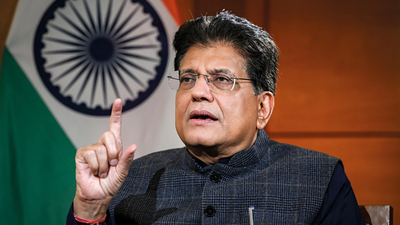
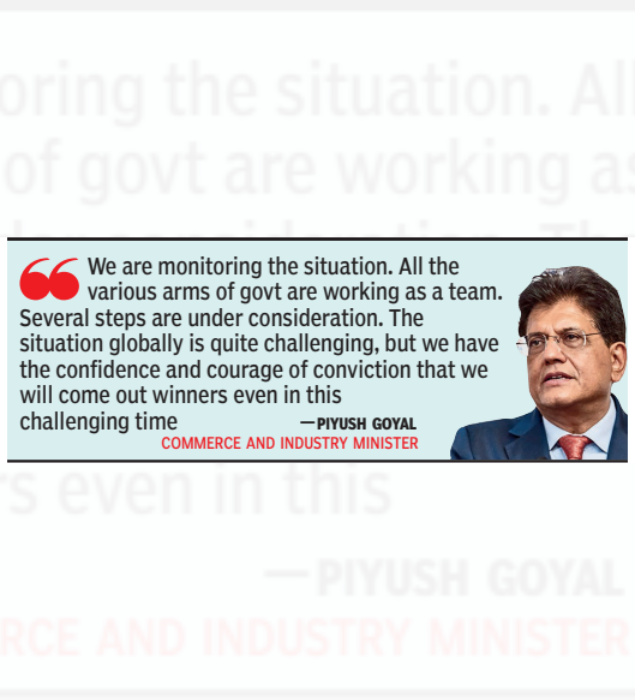
NEW DELHI/MUMBAI: Amid a depreciating rupee, commerce and industry minister Piyush Goyal on Thursday said govt is considering several measures to contain the widening current account deficit (CAD). “We are monitoring the situation. All the various arms of the govt are working as a team. Several steps are under consideration. The situation globally is quite challenging, but we have the confidence and courage of conviction that we will come out winners even in this challenging time,” Goyal told reporters. While maintaining that govt has no plans to cut non-essential imports, the minister said public has been urged to be more conscious on products, which are import-dependent.
A few days ago, PM Narendra Modi had urged citizens to defer gold purchases and avoid destination weddings overseas. Gold imports rose 24% to an all-time high of $72 billion during the last financial year, although volumes fell 4.8% to 721 tonnes. Silver imports soared 150% $12 billion last year, with volumes rising 42% to 7,335 tonnes. Govt has responded by raising import duty from 6% to 15%. “With the prospect of oil trade deficit increasing and likely pressure on remittances from West Asia, we forecast India’s current account deficit (CAD) to rise to 2.2% this fiscal from an estimated 0.8% last fiscal,” Crisil economists led by DK Joshi said in a recent analysis. While trade deficit was driven by a spike in gold and silver prices last year, the oil shock following the West Asia conflict and the withdrawal of portfolio investment has resulted in a massive weakening of the rupee, which flirted with the 97-mark against the dollar on Wednesday. On Thursday, however, it ended 62 paise higher at 96.20, aided by central bank intervention and a pullback in crude oil prices. The Indian currency is amongst the worst performers in Asia, having depreciated around 7% so far in 2026. Dealers said the rupee opened 50 paise stronger and gained ground with heavy duty intervention by public sector banks on behalf of RBI. “The recovery in rupee is currently being driven more by profit-booking and softer crude prices rather than any major structural reversal, though lower oil prices can continue to provide temporary relief to the currency,” said Jateen Trivedi, research analyst with LKP Securities. A weak rupee is bad news for imports, especially crude, as it can fuel domestic inflation. “This exogenous energy shock has upset the macro-apple cart and kept the rupee under pressure. Compared with previous crises, India’s external balances are starting from a much stronger position, particularly in terms of current account stability and foreign exchange reserves,” DBS economist Radhika Rao and forex strategist Philip Lee said in a note on Wednesday.


