
The oldest and smelliest leather-making site in Morocco

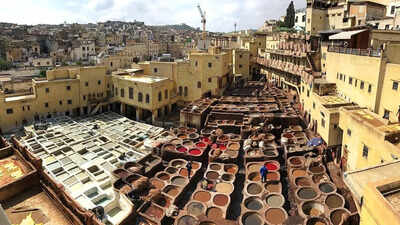
In the old quarter of Medina Fez, the smell reaches you before the view does. Narrow passages bend through the medina, shopfronts crowd together under faded wooden balconies, and then suddenly the terraces open onto the circular dye pits of the Chouara Tannery. Workers move between stone vats carrying hides darkened by water, lime, and natural pigments, much as generations before them did. As per Morocco World News, the tannery is considered one of the oldest surviving leather workshops in Morocco and remains tied closely to the craft traditions of Fez itself. Despite tourism, restoration work, and changing trade patterns, the place still functions as a working tannery rather than a preserved monument.
Inside Morocco’s smelliest leather tannery
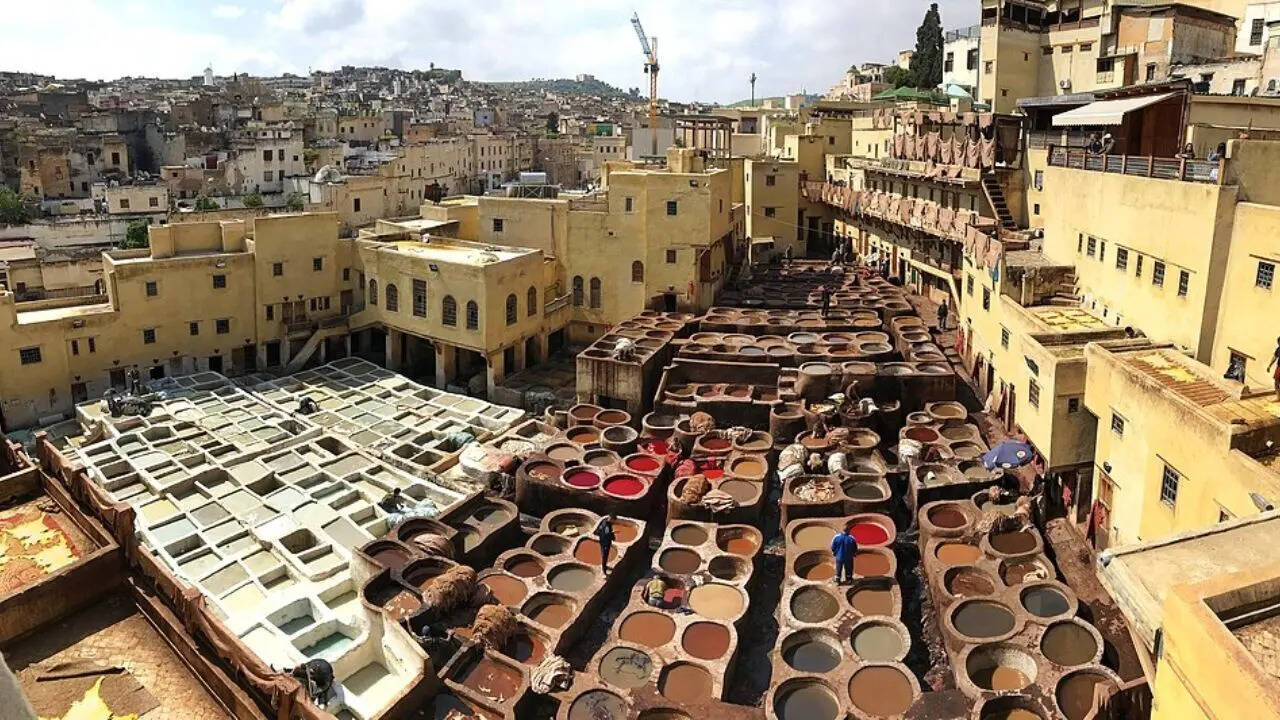
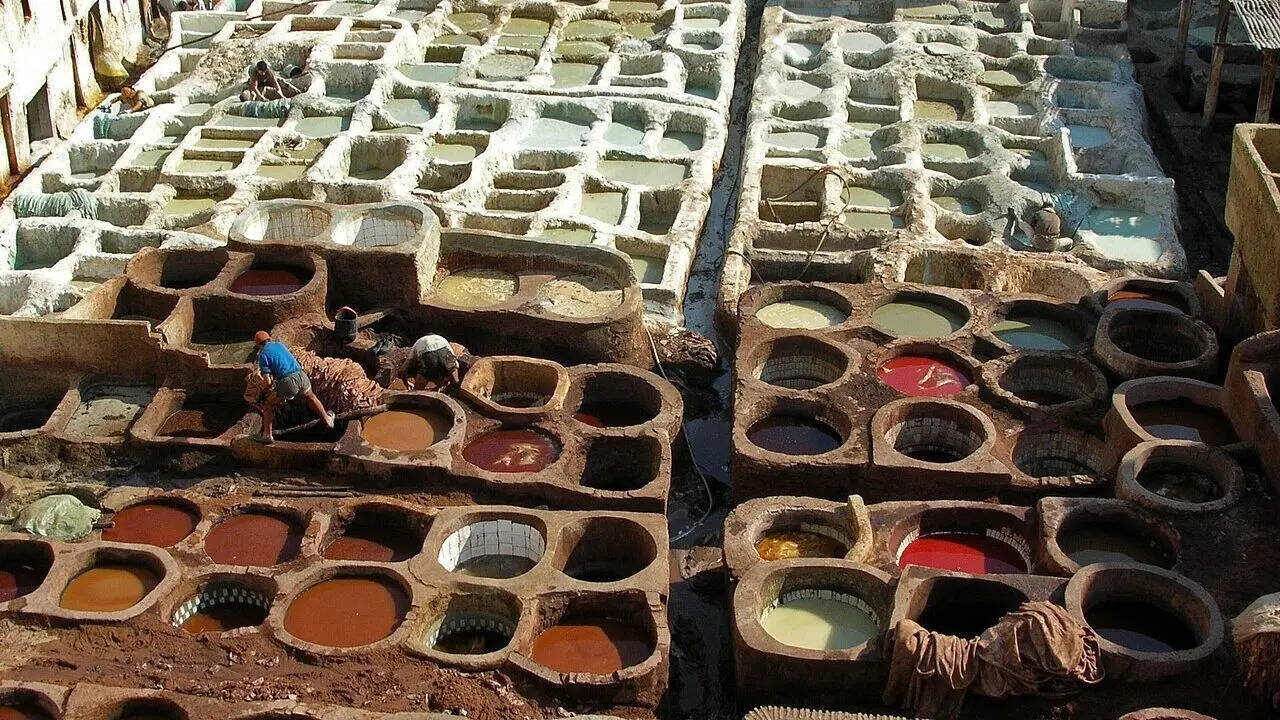
The tannery sits deep inside the medieval medina of Fez, where the streets were built centuries before cars existed. Most people reach the Chouara Tannery almost by accident. A narrow staircase behind leather shops, a crowded terrace above hanging bags, tourists pressing mint leaves beneath their noses before stepping closer to the vats.From above, the stone pits look strangely organised, circles and rectangles filled with white lime, dark brown liquids, deep reds and ochre dyes. According to Morocco World News, the colours change depending on the natural dyes and the season. Down below, the work remains slow and physical. Hides are soaked, scraped, softened and dyed entirely by hand while workers stand ankle-deep in the pits for hours at a time.The smell reaches the surrounding alleys long before the tannery itself comes into view. Raw animal hides, lime, salt and pigeon droppings are still used during the early stages of leather preparation, creating the strong odour the place is known for. Shopkeepers near the entrances often hand visitors fresh mint sprigs to mask it, though after a while the smell simply becomes part of the atmosphere around the tannery. Nothing feels hidden or cleaned up for tourists. The leather-making process continues in full view, much as it has for generations, inside the old medina.
How Chouara Tannery shaped Fez’s leather trade
Leather helped shape Fez long before tourism arrived. During the medieval period, Moroccan leather travelled across parts of Europe, North Africa and the Middle East through trade routes connected to the city. Craftsmen in Fez became associated with fine leather goods, particularly dyed goat and sheep leather used for slippers, bags, book covers and saddles.As per Morocco World News, the tannery quarter developed close to water channels running through the medina. Water remained essential for washing hides and carrying waste away from the workshops. Even now, the area feels inseparable from the surrounding streets of the old city, where leather shops continue to dominate entire lanes.Many families working around Chouara have been involved in leather production for generations. Some manage workshops directly, while others sell finished products nearby. Visitors often move from the viewing terraces straight into adjoining stores filled with jackets, belts, pouffes and handbags stacked from floor to ceiling.
The colour and chaos inside Chouara Tannery
pc: wikipedia
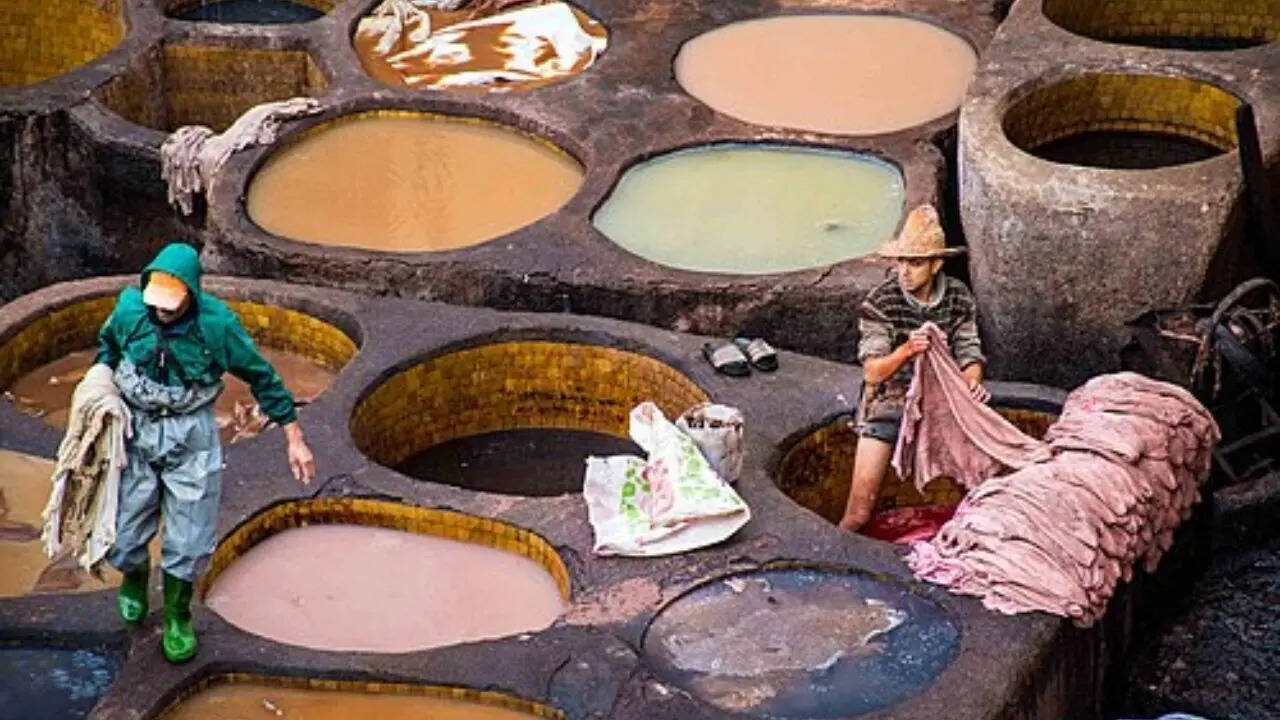
Photographs flatten the place into colour alone, though standing there feels different. The terraces are crowded and noisy. Workers shout across the vats, guides negotiate with tourists below staircases, and shopkeepers gesture people inside for tea or leather demonstrations.Morning tends to be quieter, especially before the stronger heat settles over the medina. By afternoon, the smell thickens, and the terraces fill with visitors moving through in groups. Mint sprigs are commonly handed out at entrances, though after a few minutes,s most people stop noticing the odour entirely.There is also a strange contrast between exhaustion and routine. The labour appears physically punishing, yet the movements below seem deeply practised, almost automatic. Workers step between vats carrying hides over their shoulders while tourists photograph them from balconies only metres away.
Visiting Chouara Tannery: What travellers should know
The tannery is located inside the old medina of Fez, which means cars cannot reach it directly. Most travellers enter through the Bab Bou Jeloud area and continue on foot through the market streets. Local guides are common, though many visitors simply follow the signs for leather shops leading toward the tannery terraces.Getting lost in the medina is fairly normal. Streets narrow unexpectedly, signs disappear, and directions often involve passing landmarks rather than road names. The walk itself becomes part of the experience, moving through spice stalls, textile workshops and crowded alleyways before the tannery finally appears behind the shopfronts.Those staying outside the medina usually take a taxi to one of the main gates and continue from there on foot. Comfortable shoes help more than anything else. The stone lanes are uneven and often crowded throughout the day.
pc: wikipedia
Exploring the streets around Chouara Tannery
- A short walk from the tannery leads toward the Bab Bou Jeloud, the well-known blue gate marking one of the main entrances to the medina. The area around it becomes busy in the evenings, with cafes and restaurants filling up as the day cools down.
- Further inside the medina sits the
Al Quaraouiyine University , regarded as one of the oldest continually operating educational institutions in the world. Non-Muslim visitors cannot fully enter the mosque complex, though glimpses are visible from surrounding lanes and doorways. - The
Bou Inania Madrasa is also nearby and easier to access. Its carved cedar wood, tilework and courtyard offer a quieter contrast to the tannery district. Many visitors stop there after navigating the noise and congestion around Chouara. - Towards sunset, people often head to the hills overlooking the city for a wider view of the medina. From above, Fez appears almost unbroken in colour and shape, the old city spreading outward in tightly packed earth-toned buildings beneath the surrounding hills.


