
NEW DELHI: The World Health Organisation (WHO) on Sunday declared the Ebola outbreak a Public Health Emergency of International Concern after more than 300 suspected cases and 88 deaths were reported in Congo and Uganda.In a post on X, the WHO said a laboratory-confirmed case had also been reported in Congo’s capital, Kinshasa, around 1,000 kilometres (620 miles) from the outbreak’s epicentre in the eastern province of Ituri, raising concerns about possible wider spread.The organisation underlined that countries not sharing a land border with the affected nations should not close borders or impose restrictions on travel and trade.“No country should close its borders or place any restrictions on travel and trade. Such measures are usually implemented out of fear and have no basis in science. They push the movement of people and goods to informal border crossings that are not monitored, thus increasing the chances of the spread of disease. Most critically, these restrictions can also compromise local economies and negatively affect response operations from a security and logistics perspective,” the WHO said.However, Indian experts said there is no reason for panic as Ebola does not spread like Covid-19, though vigilance and early detection remain crucial.How big a concern is Ebola for India?The health ministry said the National Centre for Disease Control (NCDC) is closely monitoring the situation.It added that no Ebola case has ever been reported in India except one international traveller who tested positive in 2014.Former AIIMS director Dr Randeep Guleria said Ebola spreads through direct contact with infected body fluids such as blood, vomit, secretions or contaminated materials, unlike Covid-19, which spread widely through respiratory droplets.“There is no need to panic,” Guleria said, explaining that Ebola requires close physical contact for transmission and is therefore far less likely to trigger a global pandemic on the scale of Covid-19.Recalling India’s preparedness during the 2014 Ebola outbreak, he said authorities had conducted screening exercises and workshops across the country. He also referred to a case involving an Indian traveller returning from Sierra Leone who was isolated in Delhi after recovering from Ebola because body fluid samples continued to test positive for viral particles.The traveller remained in isolation for nearly three months as a precaution, though no further transmission was reported.Guleria said Ebola outbreaks are often linked to infected fruit bats or wild animals and may also spread through the handling of infected bodies. He stressed that screening travellers arriving from affected regions and monitoring them during the virus’s incubation period of up to 21 days remain crucial.Experts said India has the laboratory infrastructure to rapidly detect Ebola through specialised RT-PCR testing facilities operated by the Indian Council of Medical Research (ICMR) and the NCDC. However, they noted that early clinical suspicion and prompt reporting remain essential to containing any outbreak.“The overall risk remains low, but in today’s interconnected world, infectious outbreaks are literally just a flight away,” said Dr Neeraj Nischal, professor of medicine at AIIMS, highlighting the importance of airport surveillance, travel screening and emergency response systems.He noted that Ebola patients typically become infectious only after symptoms appear, especially fever, vomiting, diarrhoea or bleeding. Healthcare workers and caregivers face higher risks without proper protective equipment and infection-control practices.Nischal added that early Ebola symptoms often resemble other viral illnesses, making travel and exposure history critical for diagnosis. He said contact tracing remains among the most effective tools to stop transmission and added that lessons from Covid-19 — including surveillance, rapid testing and hospital preparedness — have strengthened India’s outbreak response systems.“Public cooperation, honest reporting of travel history and timely medical consultation are key to preventing outbreaks from escalating,” he said.Ebola outbreak: Signs and symptomsIn Ebola infections, the incubation period — the interval between exposure to the virus and the onset of symptoms — typically ranges from two to 21 days.The illness usually begins suddenly with symptoms such as fever, fatigue, weakness, muscle pain, headache and sore throat.As the disease progresses, patients may develop vomiting, diarrhoea, abdominal pain, skin rashes, and signs of kidney or liver dysfunction. In severe cases, internal and external bleeding can occur, including blood in vomit or stool and bleeding from the nose, gums or vagina.People who recover from Ebola may continue to experience long-term health complications, including persistent tiredness, headaches, muscle and joint pain, vision-related problems such as blurred vision, eye pain or light sensitivity, as well as stomach pain, reduced appetite and weight changes.About the AuthorTOI News DeskThe TOI News Desk comprises a dedicated and tireless team of journalists who operate around the clock to deliver the most current and comprehensive news and updates to the readers of The Times of India worldwide. With an unwavering commitment to excellence in journalism, our team is at the forefront of gathering, verifying, and presenting breaking news, in-depth analysis, and insightful reports on a wide range of topics. The TOI News Desk is your trusted source for staying informed and connected to the ever-evolving global landscape, ensuring that our readers are equipped with the latest developments that matter most.”Read MoreEnd of ArticleFollow Us On Social MediaVideosSC Raises Serious Reservation Over Umar Khalid Bail Rejection; Says ‘Bail Is Rule, Jail Exception’Police Recover Several Aadhaar Cards, Govt Land Documents From TMC Office In BidhannagarVD Satheesan To Be Sworn In As Kerala CM Today; 20-Member Cabinet To Take Oath“Idli is a culinary marvel, not to be confused with rasgulla,” says Tharoor in viral food debateSweden Confers ‘Royal Order Of Polar Star Commander Grand Cross’ On PM ModiPM Modi Invites Europe To Partner India’s Growth Journey, Pushes India-EU FTA In SwedenKolkata: Protest Against Demolition Drive Turns Violent In Park Circus, 3 Cops InjuredPM Modi Gets Bengali-Style Welcome In Sweden’s Gothenburg | WatchVD Satheesan Announces Kerala Cabinet Ahead Of Oath, IUML To Get 5 PostsWhy PM Modi Visited Afsluitdijk Dam In Netherlands: The Dutch Model India Needs123PhotostoriesWhat’s inside the deep, natural water slides of Snake Canyon in Oman; decoding the mystery7 beautiful flowers that bloom all year and keep your garden colourfulHeart disease is no longer waiting for old age: How everyday habits are damaging younger hearts in IndiaKareena Kapoor Khan to Kriti Sanon: Indian actresses who have never made a Cannes appearanceHow old is the world’s largest tree? 5 facts that inspire travellers to see itJanhvi Kapoor’s home is all about adding persona in contemporary design: Art inspirations you can take awayWhat happens when you knead roti dough with paneer whey (paneer ka paani)How crickets are good for your garden (and why you shouldn’t kill them)10 high-protein air fryer snacks that take only 10 minutes6 things fathers should never do in front of their daughters123Hot PicksCBSE class 12 resultUS Iran warPrateek YadavHaryana election resultForeign outflowNEET exam cancelledTamil Nadu assemblyTop TrendingAll Biomods in Subnautica 2Brittany mahomesFifa World Cup 2026Who is aj brown wifeKerala Board SSLC Result 2026IPL 2026IPL Orange Cap 2026London Tube StrikeDelhi High CourtFuel Price Hike

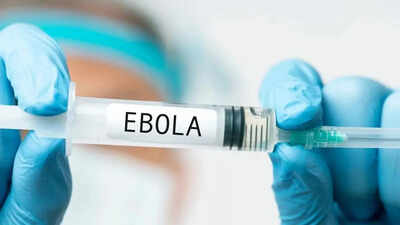
NEW DELHI: The World Health Organisation (WHO) on Sunday declared the Ebola outbreak a Public Health Emergency of International Concern after more than 300 suspected cases and 88 deaths were reported in Congo and Uganda.In a post on X, the WHO said a laboratory-confirmed case had also been reported in Congo’s capital, Kinshasa, around 1,000 kilometres (620 miles) from the outbreak’s epicentre in the eastern province of Ituri, raising concerns about possible wider spread.The organisation underlined that countries not sharing a land border with the affected nations should not close borders or impose restrictions on travel and trade.“No country should close its borders or place any restrictions on travel and trade. Such measures are usually implemented out of fear and have no basis in science. They push the movement of people and goods to informal border crossings that are not monitored, thus increasing the chances of the spread of disease. Most critically, these restrictions can also compromise local economies and negatively affect response operations from a security and logistics perspective,” the WHO said.However, Indian experts said there is no reason for panic as Ebola does not spread like Covid-19, though vigilance and early detection remain crucial.How big a concern is Ebola for India?
- The health ministry said the National Centre for Disease Control (
NCDC ) is closely monitoring the situation. - It added that no Ebola case has ever been reported in India except one international traveller who tested positive in 2014.
- Former AIIMS director Dr Randeep Guleria said Ebola spreads through direct contact with infected body fluids such as blood, vomit, secretions or contaminated materials, unlike Covid-19, which spread widely through respiratory droplets.
- “There is no need to panic,” Guleria said, explaining that Ebola requires close physical contact for transmission and is therefore far less likely to trigger a global pandemic on the scale of Covid-19.
- Recalling India’s preparedness during the 2014 Ebola outbreak, he said authorities had conducted screening exercises and workshops across the country. He also referred to a case involving an Indian traveller returning from Sierra Leone who was isolated in Delhi after recovering from Ebola because body fluid samples continued to test positive for viral particles.
- The traveller remained in isolation for nearly three months as a precaution, though no further transmission was reported.
- Guleria said Ebola outbreaks are often linked to infected fruit bats or wild animals and may also spread through the handling of infected bodies. He stressed that screening travellers arriving from affected regions and monitoring them during the virus’s incubation period of up to 21 days remain crucial.
- Experts said India has the laboratory infrastructure to rapidly detect Ebola through specialised RT-PCR testing facilities operated by the Indian Council of Medical Research (ICMR) and the NCDC. However, they noted that early clinical suspicion and prompt reporting remain essential to containing any outbreak.
- “The overall risk remains low, but in today’s interconnected world, infectious outbreaks are literally just a flight away,” said Dr Neeraj Nischal, professor of medicine at AIIMS, highlighting the importance of airport surveillance, travel screening and emergency response systems.
- He noted that Ebola patients typically become infectious only after symptoms appear, especially fever, vomiting, diarrhoea or bleeding. Healthcare workers and caregivers face higher risks without proper protective equipment and infection-control practices.
- Nischal added that early
Ebola symptoms often resemble other viral illnesses, making travel and exposure history critical for diagnosis. He said contact tracing remains among the most effective tools to stop transmission and added that lessons from Covid-19 — including surveillance, rapid testing and hospital preparedness — have strengthened India’s outbreak response systems. - “Public cooperation, honest reporting of travel history and timely medical consultation are key to preventing outbreaks from escalating,” he said.
Ebola outbreak: Signs and symptomsIn Ebola infections, the incubation period — the interval between exposure to the virus and the onset of symptoms — typically ranges from two to 21 days.The illness usually begins suddenly with symptoms such as fever, fatigue, weakness, muscle pain, headache and sore throat.As the disease progresses, patients may develop vomiting, diarrhoea, abdominal pain, skin rashes, and signs of kidney or liver dysfunction. In severe cases, internal and external bleeding can occur, including blood in vomit or stool and bleeding from the nose, gums or vagina.People who recover from Ebola may continue to experience long-term health complications, including persistent tiredness, headaches, muscle and joint pain, vision-related problems such as blurred vision, eye pain or light sensitivity, as well as stomach pain, reduced appetite and weight changes.


