
NEW DELHI: A nine-judge Supreme Court bench on Wednesday appeared to be on the same page with the govt on the narrow ambit of judicial review of religious practices and said constitutional courts should be extremely cautious in questioning a denomination’s collective religious beliefs.This remark came from a bench of CJI Surya Kant and Justices B V Nagarathna, M M Sundresh, Ahsanuddin Amanullah, Aravind Kumar, A G Masih, P B Varale, R Mahadevan and J Bagchi when solicitor general Tushar Mehta said there was a plurality of sects and sub-sects, with distinct religious practices and rituals, even though they were part of a denomination.Every denomination, sect and sub-sect was entitled to practice its peculiar rituals and even if certain secular activities were intermingled with these religious practices, then in testing the validity of a law restricting the secular part of that religious activity, courts should lean towards protecting religious practices to maintain the identity of the denomination, sect or sub-sect, Mehta said.Giving an illustration for his argument, the SG said, “The right to light a ‘diya’ undoubtedly is a matter of religion. However, if in a particular denomination, it is mandatory to light 100 diyas every day, the question would be whether there can be a restriction by the state limiting the quantity of ghee to be purchased per day. Though the purchase of ghee is a secular activity, it is intrinsically linked with something which is a matter of religion and, therefore, cannot be interfered with by the state.”Justices Nagarathna and Sundresh said they were of the view that constitutional courts must not question the collective religious beliefs of followers of a denomination. Mehta said reforms through legislation by a state must be on the constitutional grounds — public order, morality and health.Responding to rationalists’ stand advanced by senior advocate Sanjay Hegde that the right to freedom of conscience and right to freedom of religion permitted a person to “wake up a Hindu, have lunch as Muslim and go to sleep at night as a Christian”, Mehta said if any person gets such a thought, he “needs psychiatric treatment”.The bench reserved its verdict on the reference relating to faith vs fundamental right tussle.End of ArticleFollow Us On Social MediaVideosVijay Targets NEET Again, Says Medical Admissions Should Depend On Class 12 MarksCongress Claims Assam FIR Row Is Linked To Questions Over Himanta Sarma Assets | WatchCBI Arrests Five In NEET-UG 2026 Paper Leak Case As Probe Expands Nationwide | WatchEx-Army Chief Naravane Backs People-To-People Ties To Improve India Pak RelationsAir India Cuts 29 International Routes As West Asia War Drives Up Fuel Costs And DisruptionsVijay Reverses Astrologer Appointment; PM Modi Orders Nearly 50% Convoy | Headlines@9EPS Removes Rebel Leaders Backing Vijay Government As AIADMK Internal Crisis DeepensPostmortem Reveals Massive Blood Clot In Lungs Caused Prateek Yadav’s Death | WatchHimanta Biswa Sarma Announces UCC Bill For Assam As State Moves Towards Uniform Civil LawNEET UG 2026 Cancellation Sparks Rajasthan Political Storm As BJP And Congress Clash Over Leak123Photostories10 soft celestial baby boy names inspired by the moonTara Sutaria’s Cannes debut look is giving ‘Breakfast at Tiffany’s’ vibe, but make it Bollywood editionTop US states with most lightning strikesAlia Bhatt stuns in an icy blue gown at Cannes 2026; fashion fans say, “Elsa who?”Inside 15 years of Prince William and Catherine, Princess of Wales’s most talked-about royal looksFigs are more powerful than you think: Here’s what happens when you eat them regularly and how to eat it properlyStop throwing away mango peel: 6 delicious ways to use them in your kitchen5 weird things people do in love and why, as per psychologyWhy these 5 vegetable DIY remedies are harmful for your skin8 Indian states where women can travel free on government buses; West Bengal becomes the latest to join the list123Hot PicksCBSE class 12 resultUS Iran warPrateek YadavHaryana election resultForeign outflowNEET exam cancelledTamil Nadu assemblyTop TrendingNashik AstrologerTamil Nadu NewsIPL Points TablePM Internship SchemeIPL Match TodayHimanta Biswa SarmaIPL Orange Cap 2026Aparna YadavAir India FlightsPrateek Yadav

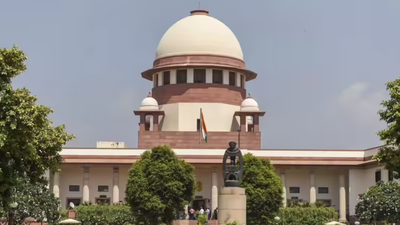
NEW DELHI: A nine-judge Supreme Court bench on Wednesday appeared to be on the same page with the govt on the narrow ambit of judicial review of religious practices and said constitutional courts should be extremely cautious in questioning a denomination’s collective religious beliefs.This remark came from a bench of CJI Surya Kant and Justices B V Nagarathna, M M Sundresh, Ahsanuddin Amanullah, Aravind Kumar, A G Masih, P B Varale, R Mahadevan and J Bagchi when solicitor general Tushar Mehta said there was a plurality of sects and sub-sects, with distinct religious practices and rituals, even though they were part of a denomination.Every denomination, sect and sub-sect was entitled to practice its peculiar rituals and even if certain secular activities were intermingled with these religious practices, then in testing the validity of a law restricting the secular part of that religious activity, courts should lean towards protecting religious practices to maintain the identity of the denomination, sect or sub-sect, Mehta said.Giving an illustration for his argument, the SG said, “The right to light a ‘diya’ undoubtedly is a matter of religion. However, if in a particular denomination, it is mandatory to light 100 diyas every day, the question would be whether there can be a restriction by the state limiting the quantity of ghee to be purchased per day. Though the purchase of ghee is a secular activity, it is intrinsically linked with something which is a matter of religion and, therefore, cannot be interfered with by the state.”Justices Nagarathna and Sundresh said they were of the view that constitutional courts must not question the collective religious beliefs of followers of a denomination. Mehta said reforms through legislation by a state must be on the constitutional grounds — public order, morality and health.Responding to rationalists’ stand advanced by senior advocate Sanjay Hegde that the right to freedom of conscience and right to freedom of religion permitted a person to “wake up a Hindu, have lunch as Muslim and go to sleep at night as a Christian”, Mehta said if any person gets such a thought, he “needs psychiatric treatment”.The bench reserved its verdict on the reference relating to faith vs fundamental right tussle.


