
One year after Operation Sindoor, how India is still keeping Pakistan under pressure

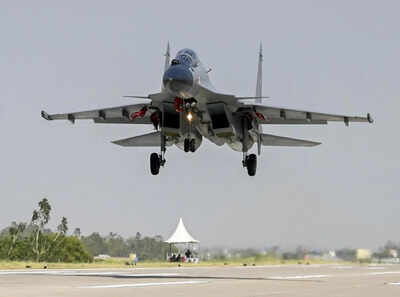
On May 12 of last year, just two days after the Pakistanis asked for a ceasefire, Prime Minister Modi made it clear that Operation Sindoor was not over. The message was clear: India was willing and ready to respond to any terror provocation from Pakistan. The destruction of a major portion of Pakistan’s air defences and picture-perfect bomb craters at key locations at Pakistani airbases was backed up by Prime Minister Modi’s message that India “will not differentiate between the government sponsoring terrorism and the masterminds of terrorism”.A day later, on May 13, Prime Minister Modi, while addressing Air Force personnel at the Adampur Air Force Base, stated, “If Pakistan again shows terrorist activity or military audacity, we will give it a befitting reply. We will give this reply on our own terms, in our own way”. Thus, delivering a strong desist-or-else message to the Pakistanis. Although the kinetic action on the boundary between the two countries has ceased, other initiatives in different domains — such as suspending the Indus Waters Treaty, launching a diplomatic offensive, halting direct and indirect trade and countering Pakistan in the information warfare spectrum — have continued since right after the Pahalgam terror attack.
During the 88-hour conflict, the Indian armed forces demonstrated superiority over the Pakistanis. From the very first moments of the operation, Indian forces were able to hit any target of their choosing, from the terror headquarters Bahawalpur and Muridke to the secure underground bunkers across airbases in Pakistan, including the critical facilities at the Nur Khan air base located in Rawalpindi, causing immense panic in the top military and political circles in that country.Since the kinetic phase of Operation Sindoor has been over, the three services have held multiple exercises across the country individually and together to validate the growing jointness between them. The biggest of these wargames was the tri-services exercise held in January this year called Exercise Trishul.The armed forces, having extensively destroyed a plethora of Pakistani dronesin the conflict, are now procuring new systems and developing new ways to counter this new menace. Simultaneously, drawing on experience with long-range missiles and drones, the army is considering establishing its own rocket force to attack targets deep inside enemy territory, thereby reducing the risk to India’s strategic assets.Although the kinetic phase of Operation Sindoor is now over, India achieved its initial objectives: destroying terror infrastructure and ensuring Pakistan backed down. Other aspects of Operation Sindoor, such as keeping Pakistan militarily unbalanced by ensuring a swift response to any future misadventure, maintaining a strong counter-terror grid, countering Pakistani narrative and applying diplomatic pressure on Pakistan, are still actively pinching Islamabad.


