
A deadly outbreak of Hantavirus on a luxury cruise ship has raised global concern after three passengers died and several others fell ill. The ship, carrying around 150 people, remains stranded off the coast of West Africa as health authorities monitor the situation closely.So what exactly is hantavirusHantavirus outbreak: 10 things to knowIt spreads from rodents to humansHantaviruses are carried by rodents like rats and mice. Humans get infected through contact with their urine, droppings, or saliva. The virus does not harm rodents, but it can be dangerous for people.It usually spreads through the airWhen rodent waste is disturbed—like during cleaning—it can release virus particles into the air. Breathing in this contaminated air is the most common way people get infected.Human-to-human spread is very rareMost hantavirus types do not spread between people. However, the Andes strain—found in South America—is the only known variant that can spread through close, prolonged contact. It is suspected in the cruise outbreak but not confirmed.There are different types worldwideHantaviruses behave differently depending on the region. Some cause lung-related illness, while others affect the kidneys and blood vessels.Symptoms can look like the fluSymptoms usually appear one to eight weeks after exposure. Early signs include fever, muscle aches, and stomach issues, which makes it easy to mistake for a common infection.It can turn deadly quicklyIn the Americas, hantavirus can cause a severe lung disease where fluid fills the lungs. This condition can worsen rapidly and become life-threatening.Fatality rates can be highThe death rate can reach up to 50% in severe lung infections, according to the World Health Organization.In comparison, strains found in Europe and Asia are less deadly, with fatality rates between 1% and 15%.There is no specific cureThere is no vaccine or targeted treatment. Doctors focus on supportive care—rest, fluids, and in severe cases, oxygen support or ventilators.Prevention is keyAvoiding contact with rodents is the best protection. Keeping surroundings clean and safely handling rodent-infested areas can reduce risk. During outbreaks, contact tracing helps identify and treat exposed individuals early.Risk to the public remains lowDespite the alarming situation on the cruise ship, experts say the overall risk to the public is low. Infection requires specific exposure conditions, which are not common in everyday life.Inside the cruise ship crisisThe outbreak has created a tense situation onboard. Passenger Jake Rosmarin shared glimpses of the unfolding crisis online.”For those who have seen recent news, yes, I am currently onboard the M/V Hondius,” he told Reuters, adding that he did not wish to say more, “out of respect for those involved.”As the ship remained stranded, his tone changed. “What’s happening right now is very real for all of us.””We’re not just headlines. We’re people with families, with lives, with people waiting for us at home,” he added.”All we want is to feel safe and to get home,” he said.Authorities in South Africa and Cape Verde have reassured the public that there is no immediate risk on land. One statement noted that since the ship remains offshore, “there is currently no risk to the population on land”.Why experts are watching closelyThe outbreak is unusual because it occurred in a confined setting like a cruise ship, raising questions about whether limited human-to-human transmission may have occurred. Investigations are ongoing.While cases have been rising in parts of South America, global outbreaks remain rare. Still, this incident highlights how quickly infections can escalate in close environments—and why early detection and containment matter.About the AuthorTOI World DeskAt TOI World Desk, our dedicated team of seasoned journalists and passionate writers tirelessly sifts through the vast tapestry of global events to bring you the latest news and diverse perspectives round the clock. With an unwavering commitment to accuracy, depth, and timeliness, we strive to keep you informed about the ever-evolving world, delivering a nuanced understanding of international affairs to our readers. Join us on a journey across continents as we unravel the stories that shape our interconnected world.Read MoreEnd of ArticleFollow Us On Social MediaVideosTeesta Issue Explained: Can Bengal Result Unlock Deal As China Factor Raises StakesISIS-Linked Bioterror Conspiracy Case: NIA Files Chargesheet Against Three AccusedIndia–US Trade Deal Nears Finish Line, One Final Hurdle Left Before Signing: Christopher LandauSP-I-PAC Deal Collapses Ahead Of 2027 UP Polls:ED Arrest, Electoral Setbacks Trigger Strategic ResetSecurity alert in Punjab after Jalandhar and Amritsar blast incidentsDMK Hits Out As Congress Directs TNCC To Take Final Call On Vijay’s Support Request’Historic, Decisive’: Trump Congratulates PM Modi Over BJP’s Win In Bengal ElectionsDefeat but ‘Moral Win’? Mamata Targets EC, Hints At BIGGER Opposition AlliancePower Bank Catches Fire On IndiGo Hyderabad-Chandigarh Flight, All Passengers And Crew EvacuatedIndia Seeks To Lease Three Ultra Heavy Lift Helicopters To Boost Capability123PhotostoriesPlants thought to be native to India but were actually brought from foreign countriesEnd to traffic woes? Chilla road boost for Delhi-Noida commuteHow destination weddings are shaping décor and driving real estate trends in IndiaNever share THESE 5 things with your colleagues: Pune techie warns about the mistakes that can ruin your career5 style lessons to take from Trisha KrishnanBest desk plants for positive energy: Top office plants to boost mood, productivity and workplace wellnessBeehive in your garden? Safe removal, natural repellents and eco-friendly control tips that work7 countries where the Indian Rupee (INR) is strong and how travellers can make the most out of itPersonality test: The vase you choose reveals if you are dependable, creative or sensitive in natureWhy dal thickens in the fridge: 3 smart ways to stop it from clotting123Hot PicksGSEB 10th Result 2026Delhi traffic advisoryDelhi rainPune child rape-murder casePerambur election resultIndia-New Zealand FTASugarcane price hikeTop TrendingNFL Trade RumorsIPL 2026 Orange CapCBSE Class 10 admit card 2026IPL Playoff Qualification ScenariosIPL 2026 Points TableMI IPL Playoff Qualification ScenariosJalandhar BlastNEET 2026: Exam-day guideGSEB Class 10th result 2026TVK Chief Vijay

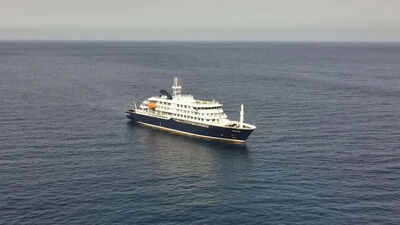
A deadly outbreak of Hantavirus on a luxury cruise ship has raised global concern after three passengers died and several others fell ill. The ship, carrying around 150 people, remains stranded off the coast of West Africa as health authorities monitor the situation closely.So what exactly is hantavirus
Hantavirus outbreak: 10 things to know
It spreads from rodents to humansHantaviruses are carried by rodents like rats and mice. Humans get infected through contact with their urine, droppings, or saliva. The virus does not harm rodents, but it can be dangerous for people.It usually spreads through the airWhen rodent waste is disturbed—like during cleaning—it can release virus particles into the air. Breathing in this contaminated air is the most common way people get infected.Human-to-human spread is very rareMost hantavirus types do not spread between people. However, the Andes strain—found in South America—is the only known variant that can spread through close, prolonged contact. It is suspected in the cruise outbreak but not confirmed.There are different types worldwideHantaviruses behave differently depending on the region. Some cause lung-related illness, while others affect the kidneys and blood vessels.Symptoms can look like the fluSymptoms usually appear one to eight weeks after exposure. Early signs include fever, muscle aches, and stomach issues, which makes it easy to mistake for a common infection.It can turn deadly quicklyIn the Americas, hantavirus can cause a severe lung disease where fluid fills the lungs. This condition can worsen rapidly and become life-threatening.Fatality rates can be highThe death rate can reach up to 50% in severe lung infections, according to the World Health Organization.In comparison, strains found in Europe and Asia are less deadly, with fatality rates between 1% and 15%.There is no specific cureThere is no vaccine or targeted treatment. Doctors focus on supportive care—rest, fluids, and in severe cases, oxygen support or ventilators.Prevention is keyAvoiding contact with rodents is the best protection. Keeping surroundings clean and safely handling rodent-infested areas can reduce risk. During outbreaks, contact tracing helps identify and treat exposed individuals early.Risk to the public remains lowDespite the alarming situation on the cruise ship, experts say the overall risk to the public is low. Infection requires specific exposure conditions, which are not common in everyday life.
Inside the cruise ship crisis
The outbreak has created a tense situation onboard. Passenger Jake Rosmarin shared glimpses of the unfolding crisis online.“For those who have seen recent news, yes, I am currently onboard the M/V Hondius,” he told Reuters, adding that he did not wish to say more, “out of respect for those involved.”As the ship remained stranded, his tone changed. “What’s happening right now is very real for all of us.”“We’re not just headlines. We’re people with families, with lives, with people waiting for us at home,” he added.“All we want is to feel safe and to get home,” he said.Authorities in South Africa and Cape Verde have reassured the public that there is no immediate risk on land. One statement noted that since the ship remains offshore, “there is currently no risk to the population on land”.Why experts are watching closelyThe outbreak is unusual because it occurred in a confined setting like a cruise ship, raising questions about whether limited human-to-human transmission may have occurred. Investigations are ongoing.While cases have been rising in parts of South America, global outbreaks remain rare. Still, this incident highlights how quickly infections can escalate in close environments—and why early detection and containment matter.


