
NEW DELHI: Even as the Supreme Court has stepped in to examine how brain death is certified in India, asking for an expert committee from AIIMS to weigh in on whether additional tests such as electroencephalogram (EEG) and angiogram are needed, experts say these may not be necessary as existing protocols already have adequate checks and balances.Hearing a petition alleging malpractices in brain death certification, a two-judge bench said it would seek expert opinion from AIIMS on the safety and viability of such tests. The court asked the head of AIIMS’s neurology department to constitute a committee, which, according to sources, is yet to be formed.The plea, filed by Kerala-based medic and activist S Ganapathy, alleged that patients who may not be brain dead are sometimes declared so to facilitate organ donation. It also questioned the reliability of the apnea test—the standard method used to confirm brain death—calling it subjective and claiming that the legal requirement of videographing the procedure is often not followed.Under the existing legal framework, brain death certification follows a strictly defined protocol. Dr Manjari Tripathi, head of neurology at AIIMS, said the process is governed by Form 10 under the Transplantation of Human Organs and Tissues Act, 1994. “Brain stem death has to be certified by a panel of four independent doctors, including a neurologist or neurosurgeon, and confirmed twice with a minimum gap of six hours. The process is carried out with due diligence and seriousness,” she said.Experts said additional tests could add to the system burden. EEG is not routinely recommended for brainstem death certification, while angiogram is used only in select cases where the apnea test cannot be performed. Globally, the apnea test remains the gold standard. These criteria are clearly laid down and cannot be altered, said experts. Brain death is the irreversible loss of all brain function, including the brainstem; while the heart may continue to beat on life support, the person cannot breathe or regain consciousness and is medically considered dead, unlike in coma where some brain activity remains.The court’s move comes amid a persistent gap between potential and actual organ donation. Despite a large pool of potential donors, only about 1,100 deceased donations take place annually in India, or 0.77 per million population.A recent multi-institutional study, including researchers from AIIMS Delhi, Dr Deepak Gupta, found fewer than half of doctors had formal training in brain death certification and flagged inconsistencies in clinical practice, leading to under-recognition of eligible cases. These gaps often result in “silent brain deaths”, where patients meet criteria but are not formally declared, eliminating the possibility of organ donation.About the AuthorAnuja JaiswalAnuja Jaiswal is a Senior Assistant Editor at The Times of India, with an impressive 18-year career in narrative journalism. She specializes in health and heritage reporting, expertly simplifying complex health information to make it engaging and understandable for readers. Her deep dives into heritage topics are well-researched, resulting in captivating narratives that resonate with her audience. Over the years, she has worked in Chandigarh, Chhattisgarh and West UP, gaining diverse on-ground experience that shapes her storytelling.Read MoreEnd of ArticleFollow Us On Social MediaVideosIAF Rescues Two Children Stranded On Water Tank in Siddharthnagar, UP Using Mi-17 HelicopterMassive Fire in Delhi’s Vivek Vihar Building, 9 Dead as Rescue Operations Continue in ShahdaraPune Child Rape-Murder Sparks Protests, Highway Blocked Near Navale Bridge‘Reminder To Those Who Misuse State Power’: Pawan Khera Jabs Assam CM After SC Anticipatory BailUS Retains India on Special 301 Priority Watch List, Flags Patent Regime, Enforcement GapsCourt Rejects Nida Khan’s Anticipatory Bail in TCS Nashik Harassment and Conversion CaseCensus 2027 To Begin In UP From May 2026 With 5 Lakh Personnel, & Caste Data InclusionHome Minister Amit Shah Meets Sonam Wangchuk & Other Leaders in Leh Ahead Of TalksChhattisgarh IED Blast Kills 4 DRG Personnel During Defusal Operation Near Kanker-Narayanpur BorderIndia-Bound LPG Tanker Sarv Shakti On The Move Across Strait Of Hormuz: Why It Matters?123PhotostoriesAkshay Kumar, Sonakshi Sinha, Ajay Devgn, Ranbir Kapoor: Celebs who love pulling pranks on co-stars17-year-old ‘Young Wildlife Photographer of the Year 2025′: 7 stunning photosPrincess Charlotte celebrates 11th birthday: 5 interesting facts about the Princess who’s an equal in the league of Queen Elizabeth II7 life lessons from Sundar Pichai that actually apply to your everyday lifeHow to make South Indian Onion Uttapam for Sunday breakfastRoyal deja vu! 5 times Queen Camilla’s wardrobe looked strikingly similar to Princess Diana’s10 beautiful and unique baby girl names with the letter “S”’The Devil Wears Prada 2’: Emily Blunt’s most iconic momentsMorning affirmation at 5 am: Affirmations that help you hear yourselfFrom Samay Raina roasting Sunil Pal and Navjot Singh Sidhu to Kapil Sharma pulling Ranveer Allahbadia and Samay’s leg over the India’s Got Latent controversy—highlights from The Great Indian Kapil Show123Hot PicksAssam key constituenciesKerala key constituenciesPuducherry election resultsTamil Nadu constituenciesAjay Pal SharmaBengal Poll RecordHimanta Biswa SarmaTop TrendingUS Germany relationsBank Holiday MayVande Bharat expressLPG cylinder price hikeMumbai missing linkPetrol, Diesel, LPG priceCBSE Class 12th ResultNEET 2026: Exam-day guideBSE AP SSC Class 10th ResultIPL Orange Cap

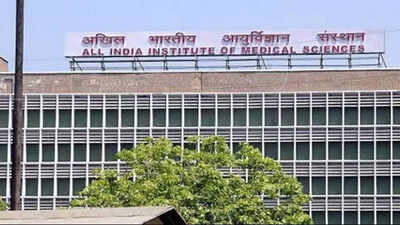
NEW DELHI: Even as the Supreme Court has stepped in to examine how brain death is certified in India, asking for an expert committee from AIIMS to weigh in on whether additional tests such as electroencephalogram (EEG) and angiogram are needed, experts say these may not be necessary as existing protocols already have adequate checks and balances.Hearing a petition alleging malpractices in brain death certification, a two-judge bench said it would seek expert opinion from AIIMS on the safety and viability of such tests. The court asked the head of AIIMS’s neurology department to constitute a committee, which, according to sources, is yet to be formed.The plea, filed by Kerala-based medic and activist S Ganapathy, alleged that patients who may not be brain dead are sometimes declared so to facilitate organ donation. It also questioned the reliability of the apnea test—the standard method used to confirm brain death—calling it subjective and claiming that the legal requirement of videographing the procedure is often not followed.Under the existing legal framework, brain death certification follows a strictly defined protocol. Dr Manjari Tripathi, head of neurology at AIIMS, said the process is governed by Form 10 under the Transplantation of Human Organs and Tissues Act, 1994. “Brain stem death has to be certified by a panel of four independent doctors, including a neurologist or neurosurgeon, and confirmed twice with a minimum gap of six hours. The process is carried out with due diligence and seriousness,” she said.Experts said additional tests could add to the system burden. EEG is not routinely recommended for brainstem death certification, while angiogram is used only in select cases where the apnea test cannot be performed. Globally, the apnea test remains the gold standard. These criteria are clearly laid down and cannot be altered, said experts. Brain death is the irreversible loss of all brain function, including the brainstem; while the heart may continue to beat on life support, the person cannot breathe or regain consciousness and is medically considered dead, unlike in coma where some brain activity remains.The court’s move comes amid a persistent gap between potential and actual organ donation. Despite a large pool of potential donors, only about 1,100 deceased donations take place annually in India, or 0.77 per million population.A recent multi-institutional study, including researchers from AIIMS Delhi, Dr Deepak Gupta, found fewer than half of doctors had formal training in brain death certification and flagged inconsistencies in clinical practice, leading to under-recognition of eligible cases. These gaps often result in “silent brain deaths”, where patients meet criteria but are not formally declared, eliminating the possibility of organ donation.


