
. NEW DELHI: The Allahabad High Court ruled that public land cannot be claimed for exclusive religious use by any individual or group, holding that such activities, including offering Namaz, must remain subject to public order and the rights of others.The observation was made by a Division Bench of Justice Saral Srivastava and Justice Garima Prasad while dismissing a petition filed by Asin, a resident of Ikauna under Gunnaur Tehsil in Sambhal district, who had sought relief in connection with the use of land for offering Namaz.The Court clarified that “public land cannot be unilaterally used by any single party for religious purposes,” adding that all individuals have equal rights over such property and its exclusive use is not legally permissible, reported ANI.Reiterating the broader legal position, the Bench stated that the “right to practice religion is subject to public order” and cannot be exercised in a way that infringes upon the rights of others. It further noted that religious freedom is not absolute and remains subject to the rights of others.Referring to earlier rulings, including the Munazir Khan vs State of Uttar Pradesh and Others case, the Court noted that while bona fide religious practices within private premises are protected and cannot be subjected to arbitrary interference, such protection does not amount to “absolute carte blanche” for organised or regular collective religious activities.The Court further observed that when such activities extend beyond private boundaries and begin impacting the public domain, regulatory intervention by the State becomes permissible. It added, “It cannot be interpreted that there is an unrestricted right to convert private premises into unregulated collective spaces for regular gatherings.”Court flags limits on Namaz gatheringsIn examining the present case, the Bench noted that the petitioner was not seeking to preserve an existing long-standing tradition but was instead attempting to initiate regular collective gatherings involving participants from within and outside the village.The Court observed that historically, Namaz at the site had been offered only on specific occasions such as Eid, and held that any expansion beyond this limited practice would fall outside the scope of protected activity and would therefore be open to regulation.It further remarked that the State has the authority to intervene where activities deviate from established traditions and affect public order. The Bench also stated that even if the land were considered private property, the petitioner would still not be entitled to the relief sought.In its order, the Court added that if public land is illegally transferred and later used to demand organised Namaz gatherings, such a sale deed would be considered illegal and not sustainable in law.About the AuthorTOI News DeskThe TOI News Desk comprises a dedicated and tireless team of journalists who operate around the clock to deliver the most current and comprehensive news and updates to the readers of The Times of India worldwide. With an unwavering commitment to excellence in journalism, our team is at the forefront of gathering, verifying, and presenting breaking news, in-depth analysis, and insightful reports on a wide range of topics. The TOI News Desk is your trusted source for staying informed and connected to the ever-evolving global landscape, ensuring that our readers are equipped with the latest developments that matter most.”Read MoreEnd of ArticleFollow Us On Social MediaVideosFuel Prices May Go Up Soon As Oil Firms Face Losses Amid Global Crude SpikeNine Dead As Tourist Boat Capsizes In Jabalpur, Survivors Allege Major Safety LapsesJPMorgan Executive Sued Over Sexual Abuse, Coercion And Racial Harassment Allegations In New YorkJabalpur Boat Tragedy: Mother Found Clutching Child After Bargi Dam Capsize, 9 DeadIndia Launches First Barrier-Less Toll System On NH-48: How MLFF Will Change Highway TravelTamil Nadu Poll Tension: Vijay’s TVK Office Set On Fire, Security Concerns RiseRahul Gandhi Flags Fuel Price Surge After ₹993 LPG Hike, Warns Petrol-Diesel Could Be NextPunjab Assembly Chaos | CM Bhagwant Mann Allegedly ‘Intoxicated’, Opposition Demands Alcohol TestPakistan admits fuel vulnerability amid global oil shock; compares energy security with IndiaCommercial LPG Surges Past ₹3000, Hotels Warn Of Price Hike Impact | Watch123PhotostoriesBeetroot juice isn’t for everyone: Hidden side effects and why you should avoid it10 elegant baby names inspired by gemstones7 powerful theories you’ll wish you understood in your early 20sBengal to Bombay: 5 cats that could almost pass off as mini tigers, leopards and panthersMorning affirmation at 5am: Simple habits that feel less like routine, more like reflectionHow to make South Indian Tamarind Rice for summer lunchMaharashtra Day 2026: Chef Sanjeev Kapoor honours the culinary heritage of the stateBest time to do yoga: Morning vs evening; What works better for your body?How Raghav Chadha’s mango shake differs from a regular mango shake; details insideRaw mango vs ripe mango: Which is a safer, smarter choice for people living with diabetes?123Hot PicksExit Poll Result 2026Bengal Election 2026Bengal ElectionPM ModiAjay Pal SharmaBengal Poll RecordHimanta Biswa SarmaTop TrendingStock Market Holiday TodayBank Holiday MayVande Bharat expressLPG cylinder price hikeMumbai missing linkPetrol, Diesel, LPG priceCBSE Class 12th ResultNEET 2026: Exam-day guideBSE AP SSC Class 10th ResultIPL Orange Cap

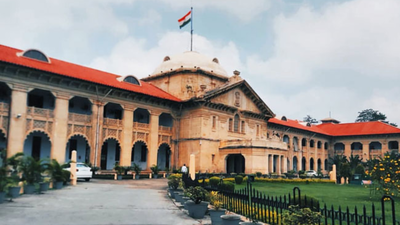
NEW DELHI: The Allahabad High Court ruled that public land cannot be claimed for exclusive religious use by any individual or group, holding that such activities, including offering Namaz, must remain subject to public order and the rights of others.The observation was made by a Division Bench of Justice Saral Srivastava and Justice Garima Prasad while dismissing a petition filed by Asin, a resident of Ikauna under Gunnaur Tehsil in Sambhal district, who had sought relief in connection with the use of land for offering Namaz.The Court clarified that “public land cannot be unilaterally used by any single party for religious purposes,” adding that all individuals have equal rights over such property and its exclusive use is not legally permissible, reported ANI.Reiterating the broader legal position, the Bench stated that the “right to practice religion is subject to public order” and cannot be exercised in a way that infringes upon the rights of others. It further noted that religious freedom is not absolute and remains subject to the rights of others.Referring to earlier rulings, including the Munazir Khan vs State of Uttar Pradesh and Others case, the Court noted that while bona fide religious practices within private premises are protected and cannot be subjected to arbitrary interference, such protection does not amount to “absolute carte blanche” for organised or regular collective religious activities.The Court further observed that when such activities extend beyond private boundaries and begin impacting the public domain, regulatory intervention by the State becomes permissible. It added, “It cannot be interpreted that there is an unrestricted right to convert private premises into unregulated collective spaces for regular gatherings.”
Court flags limits on Namaz gatherings
In examining the present case, the Bench noted that the petitioner was not seeking to preserve an existing long-standing tradition but was instead attempting to initiate regular collective gatherings involving participants from within and outside the village.The Court observed that historically, Namaz at the site had been offered only on specific occasions such as Eid, and held that any expansion beyond this limited practice would fall outside the scope of protected activity and would therefore be open to regulation.It further remarked that the State has the authority to intervene where activities deviate from established traditions and affect public order. The Bench also stated that even if the land were considered private property, the petitioner would still not be entitled to the relief sought.In its order, the Court added that if public land is illegally transferred and later used to demand organised Namaz gatherings, such a sale deed would be considered illegal and not sustainable in law.


