
Ravana Birthplace India: Not Sri Lanka, but this Indian village is believed to be Ravana’s birthplace: Why I’d visit this temple again and again

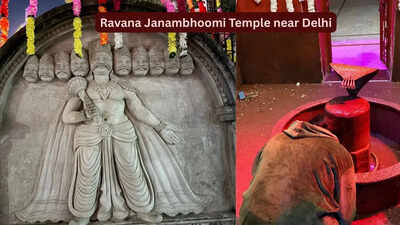
I have always been drawn to offbeat places. For me, places with fewer crowds and rich history are the biggest attractions. Recently, while speaking to locals in Greater Noida, I came to know about a lesser-known gem—the Ravana Janmabhoomi Mandir. Hidden deep within a village named Bisrakh, the temple holds mysteries which are waiting to be solved. But before, let me tell you, this is no ordinary temple. The moment I stepped inside, scenes from Ramanand Sagar’s Ramayana, which many of us grew up watching, began playing in the back of my mind. It was my moment of realisation as I realised how different reality can be from what we see on screen. Not many are aware that Ravana is believed to have been born in present-day Uttar Pradesh’s Bisrakh village. Yes, not Sri Lanka, but India is known as his birthplace according to belief rooted in the epic Ramayana. Bisrakh: The believed birthplace of Ravana
PC: Priya Srivastava
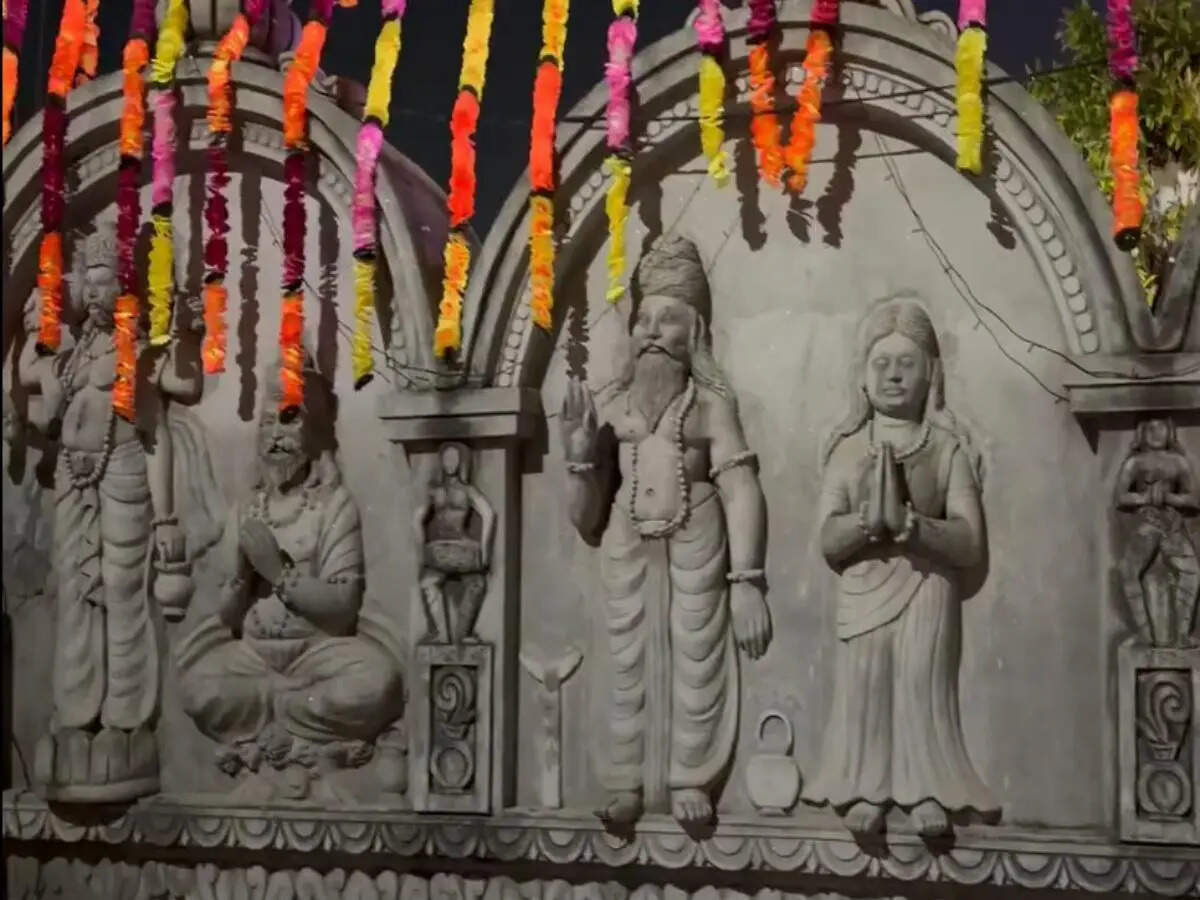
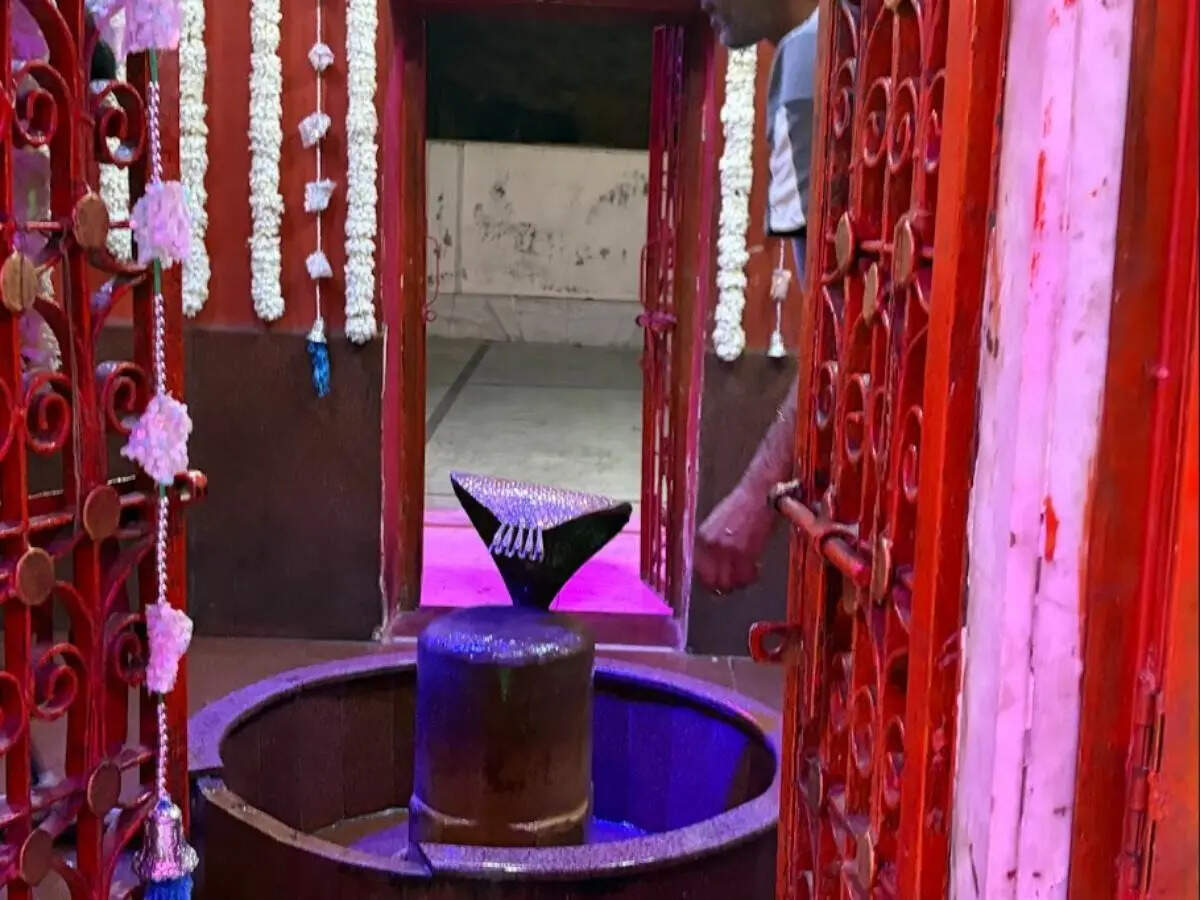
Bisrakh in Gautam Buddha Nagar district, Uttar Pradesh gets its name from Rishi Vishravas, father of Ravana. According to Hindu mythology, Vishravas was a Brahmin and son of Sage Pulastya, one of the ten mind-born sons of Lord Brahma. Vishravas married Kaikesi, a raksha princess and had Ravana and other kids. Vishravas had another son named Kubera with his first wife Ilavida, the daughter of the sage Bharadwaja. Kubera was the original ruler of Lanka. But Ravana took away the golden Lanka from him and became the king himself. Today, Kubera is worshipped as the “God of Wealth”. The mysterious Shiva Lingam at the Ravana Janambhoomi Temple One of the most fascinating aspects of the temple is that it’s not Ravana but Shiva (in the form of Shiva Linga) who is worshipped here. It is a powerful Shiva Linga which is said to be found by Vishravas. It is a Swayambhu or self-manifested linga. Speaking with local pandits, I came to know about the mysteries surrounding the Shiva Linga. The unknown depth of the Shiva Lingam
PC: Priya Srivastava
One of the locals told me that the Shiva Linga is also known as “Anant” (something which has no end). According to the temple priest Ramdas, years ago excavations were carried out to determine the actual depth of the Shiva Linga. It is believed to extend over 30 feet underground, and its full length remains unknown to this day. It is also said that this is the very Shiva Lingam where Ravana offered his heads in devotion to seek Lord Shiva’s blessings, adding to the temple’s mystical aura.A temple of wishes and faithThe temple priest shared that devotees believe their wishes are fulfilled here. It is said that anyone who performs jalabhishek for 40 consecutive days with faith and pure intention may see their wishes come true—though such beliefs remain deeply personal.Architecture and the unique carvings
PC: Priya Srivastava
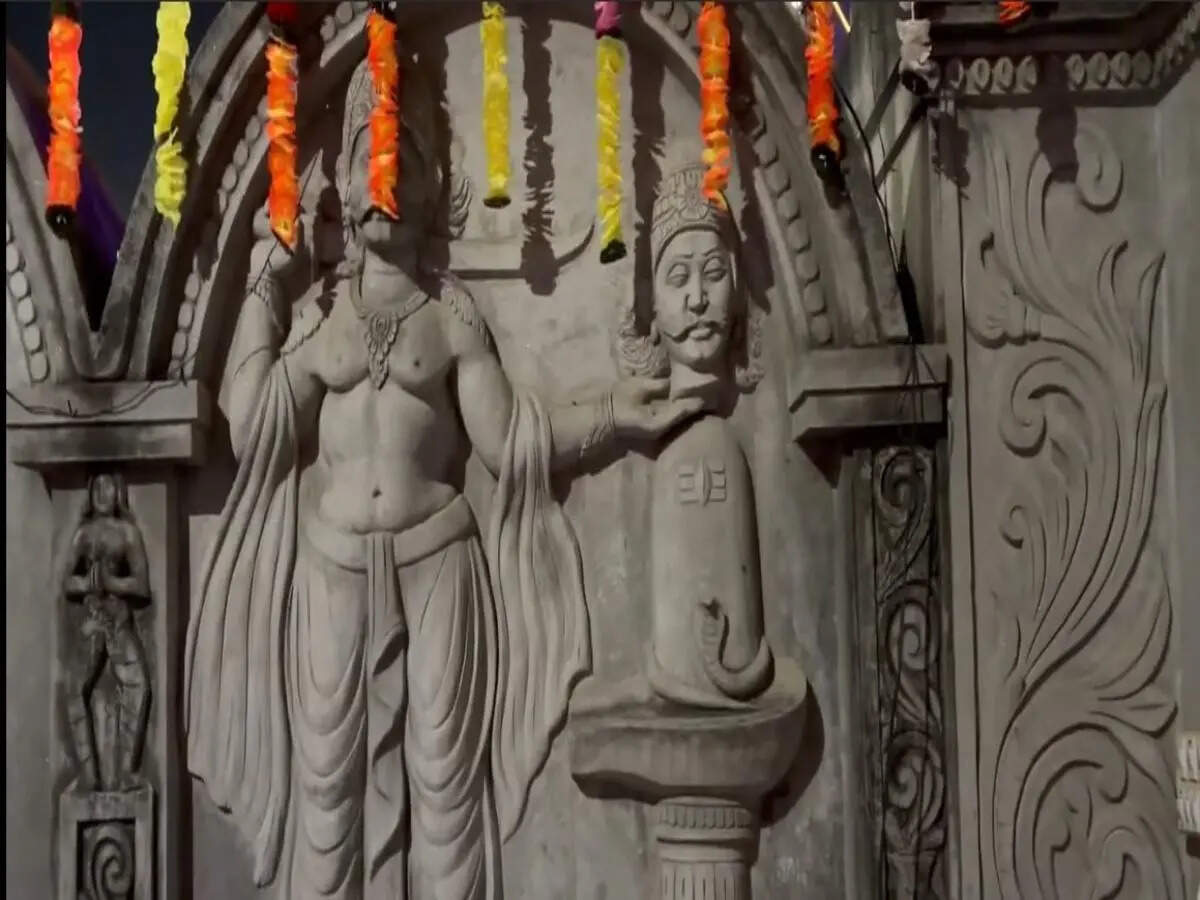
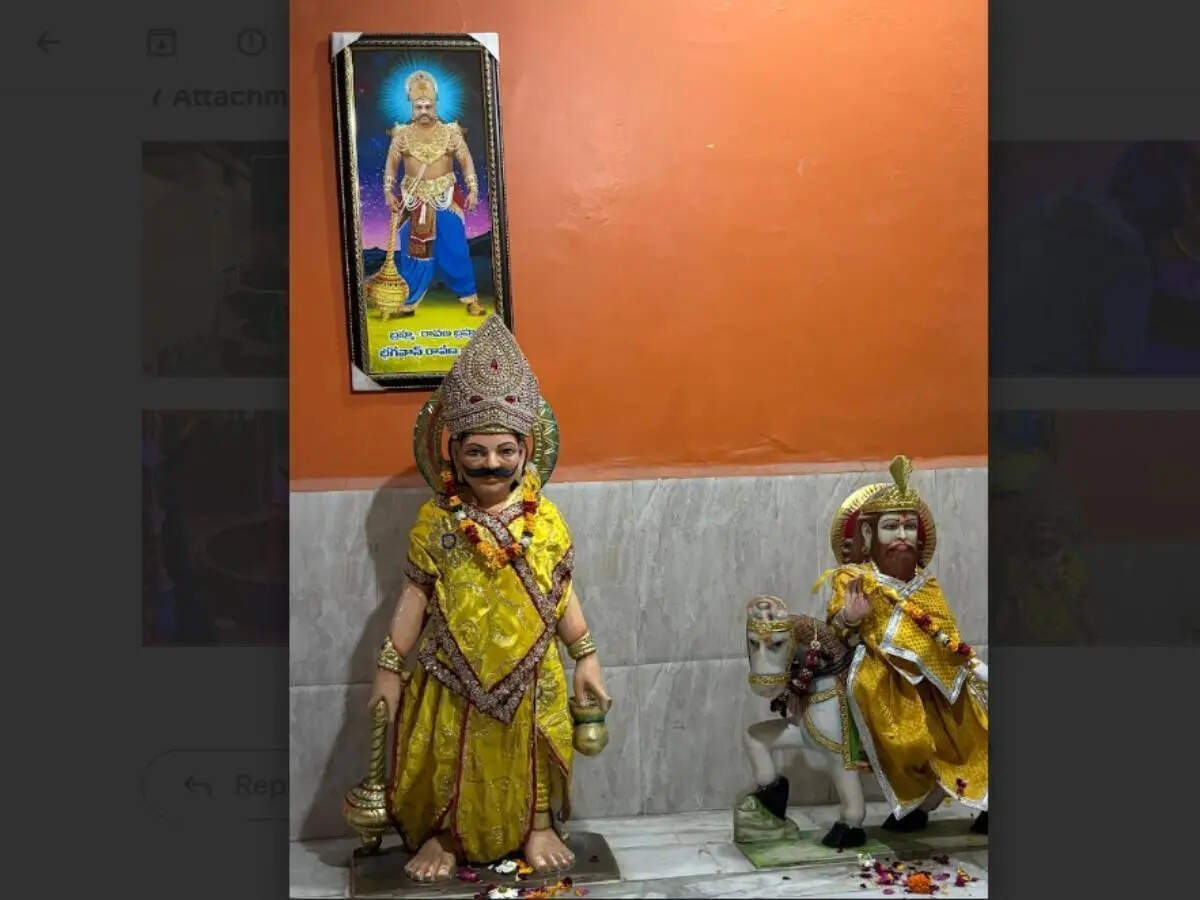
The first thing I noticed was the carvings on the entrance of the temple wall depicting Ravana holding one of his heads in hand and next to him are Brahma, Pulastya, and Vishrava. There’s Lord Ganesha’s idol at the top of the temple. As you go further, you’ll find yourself surrounded by sculptures of Kumbhakaran, Vibhishan, Shurpanakha, and even Kuber.Rare idols of Shiva and ParvatiThere are several other idols of Hindu gods and goddesses in the backside of the premises. But the idols of Shiva and Pravati looked different to me. I had never seen such statues in my life. Then the priest told me that these are the idols of Gauri-Shankar in sitting posture and that there are only two such idols in India, the other in a temple in Agra.A unique Dussehra celebration where villagers mourn
PC: Priya Srivastava
In a striking contrast to the rest of India, Dussehra is not celebrated in the traditional way in Bisrakh. As Ravana’s believed birthplace, the villagers mourn his death instead of celebrating it. Villagers conduct prayers and Yagna rituals and pray for the peace of Ravana’s soul. Also, it is the only time when Ravana’s statue is brought outside for people to pay their respect and seek blessings. The rest of the year, the statue remains hidden as it is laden with expensive jewels and precious stones. The priest said that because of the fear of theft, Ravana’s idol is hidden. Unlike elsewhere in India, effigies of Ravana are not burned here. Instead, he is remembered with reverence.How my visit changed my perspective and I would want to keep coming back to the temple
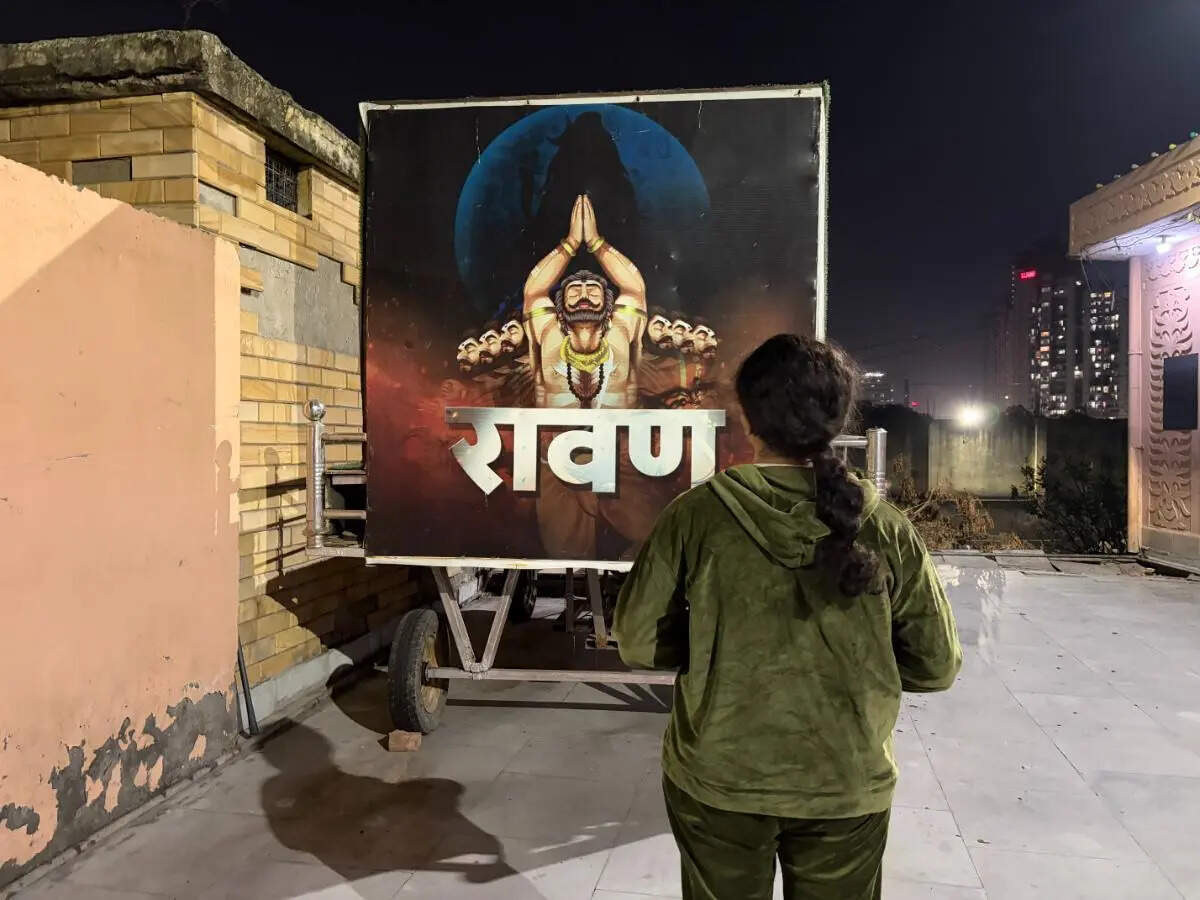
After visiting the temple and talking to locals, I kind of understood the other side of Ravana. He was a scholar, a great Shiva Bhakta and a doting son and brother. But a complex character. Yet, it was his ego that ultimately led to his downfall. For people of Bisrakh village, he is still their guardian angel and that’s why it is important to visit the temple. Standing there, looking at the Shiva Linga, I was reminded of how travel—especially to lesser-known places—can challenge long-held narratives and offer new perspectives and the peace and the narrative pulls me to the place again and again…


