
. NEW DELHI: In a significant policy shift, the National Medical Commission (NMC) has removed key restrictions on MBBS seat expansion, opening the door for a substantial increase in undergraduate medical seats across the country.In a gazette notification issued on April 27, the NMC amended its 2023 regulations governing new medical colleges and expansion of existing courses.The amendment deletes a clause that capped the total number of MBBS seats at 150 per college for those seeking expansion from the 2024–25 academic year. Colleges seeking to increase intake will no longer be bound by this upper limit.The commission has also removed the requirement that states maintain a ratio of 100 MBBS seats per 10 lakh population, a norm that earlier guided approvals for new seats.Officials indicated that the changes are intended to provide greater flexibility to institutions and support faster expansion of medical education capacity in line with rising demand for doctors.In another operational change, the NMC has revised norms related to the distance between a medical college and its teaching hospital. Instead of a travel-time cap of 30 minutes, the rules now prescribe a maximum distance of 10 km. For northeastern and Himalayan states, the limit has been relaxed to 15 km.The amendments have been notified under the NMC Act, 2019, and apply to both the Undergraduate Medical Education Board’s seat expansion guidelines and the Graduate Medical Education Regulations, 2023.The move is expected to benefit both government and private medical colleges looking to scale up capacity, particularly in states where demand for seats continues to outstrip supply, while placing the onus on regulators to maintain quality standards and infrastructure.About the AuthorAnuja JaiswalAnuja Jaiswal is a Senior Assistant Editor at The Times of India, with an impressive 18-year career in narrative journalism. She specializes in health and heritage reporting, expertly simplifying complex health information to make it engaging and understandable for readers. Her deep dives into heritage topics are well-researched, resulting in captivating narratives that resonate with her audience. Over the years, she has worked in Chandigarh, Chhattisgarh and West UP, gaining diverse on-ground experience that shapes her storytelling.Read MoreEnd of ArticleFollow Us On Social MediaVideos‘Siddaramaiah Ready To Step Down As Karnataka CM If Rahul Gandhi Asks’: Ex-Minister RajannaBengal Phase 2 Polls: 142 Constituencies Vote Today, Over 3.21 Crore Voters to DecideChokepoints of Power: how India can ‘trump’ China on the seasSwati Maliwal’s Explosive Exit: Assault Allegations, ‘Betrayal’ Charges Rock AAP As She Joins BJPIndian Aviation Sector Warns Of Possible Shutdown Amid Soaring Fuel CostsUNGA Chief Hails India’s Global Role, Calls India’s Leadership Central To MultilateralismIndia To Receive Fourth Unit Of S-400 Missile Systems From Russia, To Be Deployed In RajasthanISRO-s Big Shift- Civilians To Join Gaganyaan Missions – India-s Space Programme Expands”Online Radicalisation Led To…” Maharashtra CM On ISIS-Inspired AttackIndia’s Defence Spending Hits $92 Bn, Becomes World’s 5th Largest Amid Global Military Surge123PhotostoriesMS Dhoni calls this city his home: “There’s no good reason for me to work, to shift to any other city”10 royal baby boy names inspired by kings and warriorsSuhana Khan returns in liquid gold in an Arpita Mehta saree that refuses to be ignoredMorning affirmation at 5am: Feeling lost? This might helpFrom tasting success and popularity after playing Samar to being ousted overnight from Anupamaa: Paras Kalnawat on his journeyKate Middleton dips into Princess Diana’s 1995 Germany look with sapphire earrings from the royal jewellery archivesAhead of ‘The Devil Wears Prada 2,’ buzz around the threequel adds to fans’ anticipation – here’s what we knowWhy BTS K-pop star Jungkook’s basic bodyweight routine may be more effective than your gym plan5 longest train journeys in the world: Did you know India has one?10 things you should walk away from— No regrets, no looking back123Hot PicksExit Poll Result 2026Mamata BanerjeeBengal Women VotersPM Rally GunfireAssembly Election 2026Bengal Oath CeremonyTrinamool CongressTop TrendingSaeed Sheikh AfridiExit Poll results 2026PM modiSalim DolaAssam HS 12th ResultManish SisodiaMumbai Watermelon Poisoning newsBengal PollsJack GrealishIPL Orange Cap

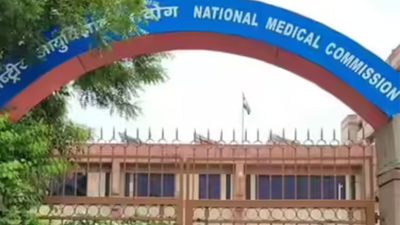
NEW DELHI: In a significant policy shift, the National Medical Commission (NMC) has removed key restrictions on MBBS seat expansion, opening the door for a substantial increase in undergraduate medical seats across the country.In a gazette notification issued on April 27, the NMC amended its 2023 regulations governing new medical colleges and expansion of existing courses.The amendment deletes a clause that capped the total number of MBBS seats at 150 per college for those seeking expansion from the 2024–25 academic year. Colleges seeking to increase intake will no longer be bound by this upper limit.The commission has also removed the requirement that states maintain a ratio of 100 MBBS seats per 10 lakh population, a norm that earlier guided approvals for new seats.Officials indicated that the changes are intended to provide greater flexibility to institutions and support faster expansion of medical education capacity in line with rising demand for doctors.In another operational change, the NMC has revised norms related to the distance between a medical college and its teaching hospital. Instead of a travel-time cap of 30 minutes, the rules now prescribe a maximum distance of 10 km. For northeastern and Himalayan states, the limit has been relaxed to 15 km.The amendments have been notified under the NMC Act, 2019, and apply to both the Undergraduate Medical Education Board’s seat expansion guidelines and the Graduate Medical Education Regulations, 2023.The move is expected to benefit both government and private medical colleges looking to scale up capacity, particularly in states where demand for seats continues to outstrip supply, while placing the onus on regulators to maintain quality standards and infrastructure.


