
One overlooked habit that could be putting you at risk everyday |

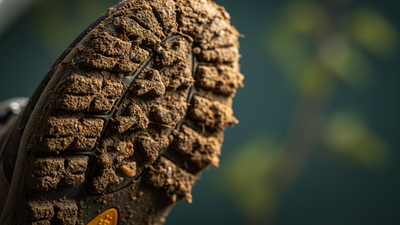
You have probably blamed a slippery floor, a puddle you did not see, or just general bad luck, but the uncomfortable truth is your shoes might be the actual problem. No, it is not just because the soles are worn down; it is also because of the layer of dirt quietly sitting in every groove right now.Slip-resistant shoes do not stay slip-resistant forever. Over months of everyday use, the tread patterns on your soles wear down and fill up with debris. The result? Your shoe loses its grip on floors way faster, turning an ordinary grocery run or a wet lobby floor into a genuine hazard.800 square millimetres is the magic numberThe research, Changes in under-shoe traction and fluid drainage for progressively worn shoe tread, found that as soon as wear on the sole of shoes reaches around 800 square millimetres, an area slightly smaller than a playing card, friction reduces anywhere from 16 to 38%. At that point, the soles cannot redirect fluids away from the contact area, and the pressure that builds up under the shoe actually starts pushing it away from the floor. It is not just wear and tear; that is a physics problem working actively against you.Dirt makes the matter only worse. The dirty surface will fill up all the channels that would drain water and oil, thus minimising the available coefficient of friction (ACOF). It means the dirtier the sole is, the more likely your next step on a wet surface will end badly.Your sole’s hidden job: Keeping your brain in the loopHere’s something most people never think about: your shoe sole is not just about grip. It’s also about feel. If you step on an unexpected slippery slope, your leg muscles need to work quickly to get your balance back, but a thick or damaged sole can make that signal take longer to reach your brain.Studies have shown that wearing shoe soles slows down the muscle activation response compared to walking barefoot. It makes it harder to stay stable and makes slips last longer. Your sole, which is in bad shape, slows your body’s reflexes when you need them most.
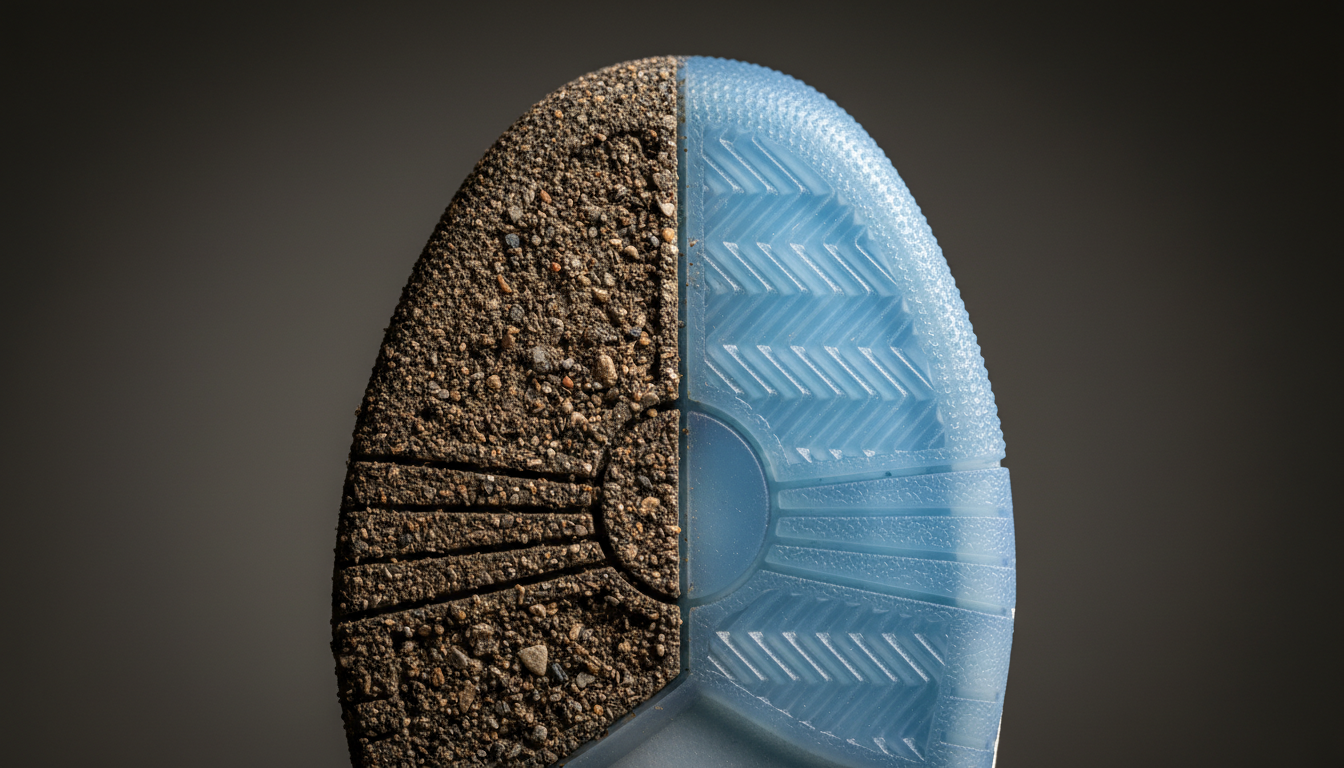
The dirt caught in your tread is not just surface-level, it is filling the grooves designed to keep you steady.
Groove geometry is more important than you thinkThe way the tread grooves are set up changes how you hold the ground in a certain direction. When you walk, grooves that are perpendicular to your direction of travel create more friction and shorter slip distances than grooves that are parallel to your direction of travel. Another study published in the journal, Applied Ergonomics, shows that deeper grooves make wet or detergent-coated floors work much better by preventing the pressure buildup that causes people to slip.So, when you buy shoes, you should really look at the tread, not just the style or cushioning.The fix is simpleYou do not need new shoes yet. Cleaning can help you get back a lot of lost traction. Grab a stiff brush and scrub the soles. Rinse them under running water and let them air dry. That is all. This removes the dirt blocking your tread channels and lets the grooves do their job again.The general rule of thumb: if the tread on your sole looks nearly smooth, or if worn patches feel large when you run your thumb across them, it is time to replace.The future of gripOn the innovation front, researchers have developed kirigami-inspired shoe grips, flexible soles based on the Japanese art of paper cutting that transform into 3D textured surfaces under pressure. Early tests show they can double or triple the friction on ice compared to regular boots. They are not on shelves yet, but they show how seriously the problem of shoe-related falls is being taken in materials science.Before you step outFalls and slips are not just embarrassing; they are also among the most common ways to get hurt, and poorly maintained shoes cause a surprising number of them. This week, scrub your soles, look at the tread, and know when to get a new one. It only takes five minutes and could really keep you from falling.Your floors have not changed, but your shoes probably have.


