
Some OpenAI employees and shareholders are not happy with CEO Sam Altman, and it is due to his …

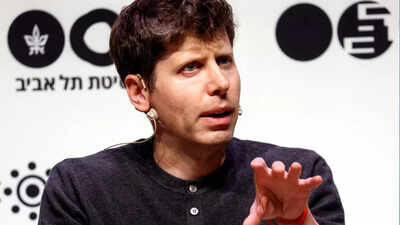
OpenAI CEO Sam Altman’s personal investment network is reportedly concerning some shareholders and employees of the AI company. This comes as the Microsoft-backed company moves toward a potential IPO valued at about $850 billion. According to a Wall Street Journal report, OpenAI employees and shareholders are questioning whether some strategic decisions overlap with Altman’s financial interests, particularly after he pushed for OpenAI to back startups in which he holds stakes. The issue, which led to his brief firing from the company in 2023, has persisted despite governance changes, raising fresh doubts about leadership as competition in the AI sector intensifies.
Which Sam Altman investments are concerning OpenAI employees and shareholders
Altman recently sought OpenAI’s participation in funding rounds for Helion, a nuclear fusion startup where he is one of the largest investors, and Stoke Space, a rocket company linked to his family office. Neither company aligns directly with OpenAI’s core AI business, even as leadership has asked teams to cut side projects and focus on competition.Some OpenAI workers have expressed concerns about the Helion project, especially given the lack of clear value to OpenAI and the uncertainty about the effectiveness of the startup’s technology. Sources close to the situation say some employees shied away from discussing the topic internally out of fear of legal ramifications.OpenAI ultimately declined to invest in Helion but signed a deal to purchase large-scale energy from the company in the future, an agreement that could still increase the value of Altman’s stake.Altman’s investment portfolio, created while he was affiliated with Y Combinator, includes hundreds of startups, some of which have worked with OpenAI. Unlike other technology company CEOs, Altman does not hold any OpenAI stock, so he receives a salary that is quite average.It is customary for public companies to prohibit their executive members from holding substantial stakes in other firms, as such holdings might create conflicts of interest. After Altman’s resignation in 2023, the OpenAI board announced that it would take steps to enhance conflict-of-interest practices since Altman had failed to be “consistently candid.”“I’m doing this because I love it,” Altman said at a 2023 Senate hearing.While OpenAI’s leadership and major investors continue to back Altman, some shareholders have privately discussed whether he is the right person to lead the company through its transition to a public entity, the report claims. Bret Taylor has been floated as a potential alternative, according to people familiar with the discussions.“I have the good fortune to see every day why Sam is so uniquely qualified to be leading this company as we move into our next chapters,” Taylor told WSJ in a statement.Meanwhile, Altman himself has also expressed mixed feelings about taking the company public. In a recent podcast, he said, “Am I excited to be a public-company CEO? Zero percent. I’m excited for OpenAI to be a public company? In some ways I am, and in some ways I think it’d be really annoying.”The concerns come at a time when OpenAI is facing increasing competition from rivals and internal shifts in priorities. However, some of OpenAI’s projects, such as the Sora video creation software, have been downgraded, and the leadership has shifted its attention to enterprise-oriented products.In addition, there is currently a leadership vacuum at the company due to Fidji Simo’s medical leave as head of products at Meta, during which she has delegated her duties to other members of the executive team.Together, the governance concerns, strategic changes, and competitive pressures are prompting renewed scrutiny of OpenAI’s leadership structure as it prepares for its next phase.


