
The ruins of Honiak Music Academy after the strike. NEW DELHI: In the shattered remains of his 15-year-old music school, Iranian musician Hamidreza Afarideh sat on a debris-laden floor, drew his bow and played with a kamancheh, what he called “the last sound” of a life’s work reduced to dust.Weeks after a strike destroyed Honiak Music Academy, Afarideh walked back into the hazardous ruins on April 7, 2026, and recorded a haunting video that quickly travelled far beyond Tehran, capturing his moments of deep grief after an airstrike on March 23 left the academy razed and severely damaged. Once a classroom, Honiak Music Academy is now a field of rubble.“Today was the last day to say goodbye to my school. I wanted the last sound that remains in this place to be the sound of music…not explosions and missiles,” Afarideh wrote the same day, in a now viral post. Within days, his images and clips had racked up millions of views across Instagram, X , Youtube and TikTok, prompting a flood of multilingual reactions online, with many seeing it as a stark reminder of the human cost beyond military headlines, triggering widespread calls to “stop war.” Honiak Music Academy before the strike.Speaking to TOI from Tehran, Afarideh recalled the day of the attack. “I felt that a very important part of our memories, and sounds that could have continued in that space—sounds that many artists could hear, see, and live with for years—were suddenly destroyed by a missile and a drone.” The academy, built over a decade and a half by Afarideh and his wife, Sheida Ebadatdoust, was what he calls “their shared life project.”“We worked with very limited resources, relying only on our dreams and dedication to build this academy. Losing it suddenly is extremely hard. All our hard work, efforts, continuous actions to bring people closer to music and instruments was lost in a single night. It is very difficult to accept. Everything we built over so many years… This loss will take years to process.” Once a classroom, Honiak Music Academy is now a field of rubble.Despite the risk of collapse, he returned to the damaged building. “I knew it was very dangerous… but I felt that if I didn’t record this sound, it would stay in my heart forever. I might not stay (alive) afterwards… I felt I had to go there and make this the last image and the last sound remaining from the safe space we had created.”For years, the academy buzzed with the laughter of children, warm chatters of parents, and the layered sounds of Persian classical music. Since the attack, says the teacher, “That sound disappeared.” For Afarideh, the viral moment has brought global attention—but also underscored, he says, “the reality of war and destruction” faced by his 250 students—ranging from toddlers to the elderly—and 22 teachers. His video has become a global plea for recognition of the cost of war not just in bodies and infrastructure, but in art, memory, and the fragile ecosystems of creativity that take decades to build and minutes to erase.Shaped over a decade, he calls the place a “second home” where students came not just to learn music but to feel seen and held—for them, too, the loss has been personal. “Students, who were to return someday, are now scattered, shell‑shocked, and struggling to process what happened. One child crossed the building with his mother and didn’t speak for hours afterwards. All students are going through similar feelings.”Yet even in devastation, Afarideh insists on the universal power of art. “Music… is a symbol of freedom,” he said. “In times of war, it can heal—even if only a little—the pain of those who have lost everything.”About the AuthorIsmat AraAt The Times of India, Ismat Ara covers politics, people, and societies, with a focus on accountability, justice, and lived experience. Shaped by years of rigorous reporting across cities, small towns, and remote villages, she is drawn to the human stories tucked beneath policy and paperwork.Read MoreEnd of ArticleFollow Us On Social MediaVideos’If Chanakya Were Alive…’: Priyanka Gandhi’s Swipe At Amit Shah Over Delimitation, Women QuotaNo More Russian Oil Waiver: What The US Decision Means For India’s Energy Needs Amid West Asia CrisisAustria’s Chancellor Calls India Key Partner, Pushes India-EU Trade Deal Amid Global TurmoilLok Sabha Erupts As Sawant Names Sengar, Brij Bhushan; Dubey Hits Back With Aaditya Thackeray Claim‘Not A Backdoor Exercise’: Tejasvi Surya Counters Opposition On Delimitation, Flags Representation Risks’Will Pay A Price For A Long Time’: PM Modi Warns Oppn In Lok Sabha Over Women Quota BillNaari Vs Naara: Akhilesh Yadav Questions Women’s Bill Timing, Flags OBC Quota, Census Concerns’Women’s Reservation Or Delimitation?’ Gaurav Gogoi Slams Govt Over ‘850 Seat’ Lok Sabha PlanIndia-Austria Partnership Enters New Era As PM Modi Pitches Speed And Scale Strategy GloballyCongress Slams Delimitation Bill As “Attack On Federalism” | Venugopal Targets Centre123Photostories8 most unusual monkeys in the world: From capuchins to mandrillsStep inside Chris Gayle’s ₹20 crore lavish Jamaica mansion with private nightclub, infinity pools and unbelievable ocean views!‘Are we eating all our mangoes’: Why despite being the largest producer of mangoes, India is able to export just 1 percentGold vs lab-grown diamonds: What should you really buy this Akshaya Tritiya?Top 5 posh residential areas in Gurugram for premium living7 local and comforting dishes to try in MangaloreWeekend binge list on OTT: From ‘Euphoria Season 3’ to ‘Do Deewane Seher Mein’Tamannaah Bhatia to Malaika Arora: 5 best celebrity looks of the week you might have missedSenior Cardiologist explains why your daily walk isn’t enough, and the one heart metric you should track insteadThis Sanjeev Kapoor-style Matthe Wale Aloo is all you need for dinner during summer123Hot PicksIran warDisney layoffsPurple cap winnerOrange cap winnerIPL Points TablePublic holidays April 2026Bank Holidays AprilTop TrendingTCS NashikPune Harassment NewsVaranasi Woman DeathLucknow Vikas Nagar Fire IncidentAmir HamzaUP Beggar MurderBengaluru Businessman NewsGurgaon Student SuicideGunika KhuranaJaisalmer Murder

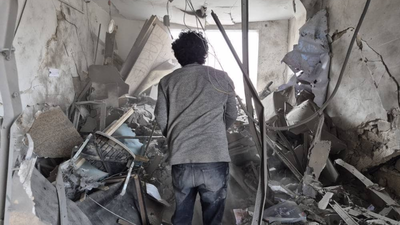
NEW DELHI: In the shattered remains of his 15-year-old music school, Iranian musician Hamidreza Afarideh sat on a debris-laden floor, drew his bow and played with a kamancheh, what he called “the last sound” of a life’s work reduced to dust.Weeks after a strike destroyed Honiak Music Academy, Afarideh walked back into the hazardous ruins on April 7, 2026, and recorded a haunting video that quickly travelled far beyond Tehran, capturing his moments of deep grief after an airstrike on March 23 left the academy razed and severely damaged.
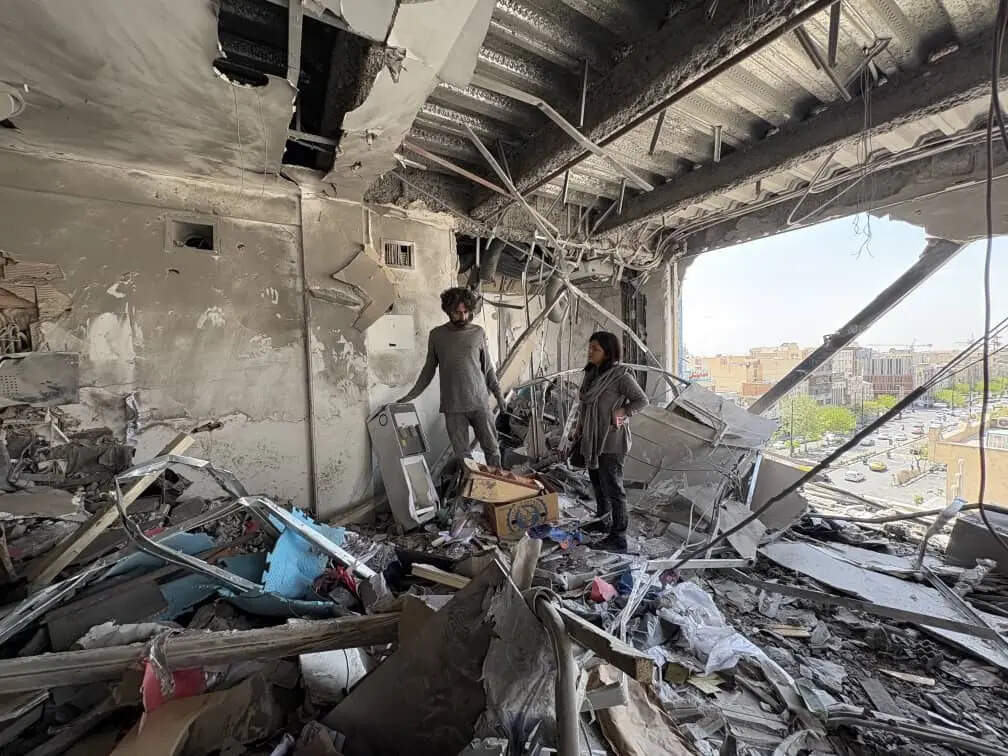
Once a classroom, Honiak Music Academy is now a field of rubble.
“Today was the last day to say goodbye to my school. I wanted the last sound that remains in this place to be the sound of music…not explosions and missiles,” Afarideh wrote the same day, in a now viral post. Within days, his images and clips had racked up millions of views across Instagram, X , Youtube and TikTok, prompting a flood of multilingual reactions online, with many seeing it as a stark reminder of the human cost beyond military headlines, triggering widespread calls to “stop war.”

Honiak Music Academy before the strike.
Speaking to TOI from Tehran, Afarideh recalled the day of the attack. “I felt that a very important part of our memories, and sounds that could have continued in that space—sounds that many artists could hear, see, and live with for years—were suddenly destroyed by a missile and a drone.” The academy, built over a decade and a half by Afarideh and his wife, Sheida Ebadatdoust, was what he calls “their shared life project.”“We worked with very limited resources, relying only on our dreams and dedication to build this academy. Losing it suddenly is extremely hard. All our hard work, efforts, continuous actions to bring people closer to music and instruments was lost in a single night. It is very difficult to accept. Everything we built over so many years… This loss will take years to process.”
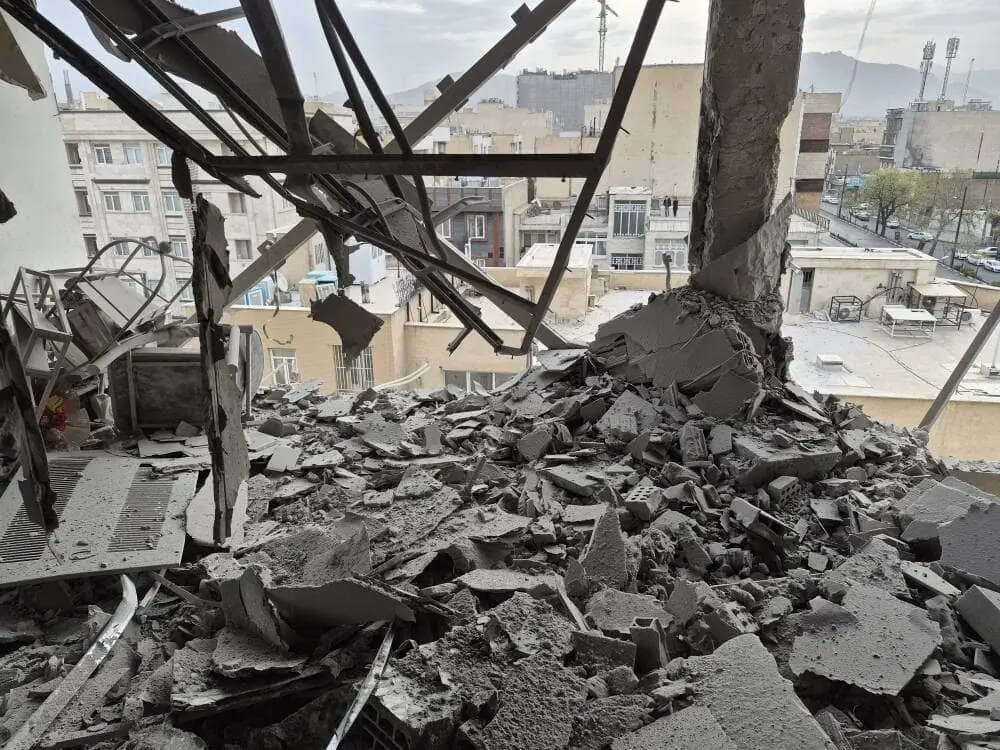
Once a classroom, Honiak Music Academy is now a field of rubble.
Despite the risk of collapse, he returned to the damaged building. “I knew it was very dangerous… but I felt that if I didn’t record this sound, it would stay in my heart forever. I might not stay (alive) afterwards… I felt I had to go there and make this the last image and the last sound remaining from the safe space we had created.”For years, the academy buzzed with the laughter of children, warm chatters of parents, and the layered sounds of Persian classical music. Since the attack, says the teacher, “That sound disappeared.” For Afarideh, the viral moment has brought global attention—but also underscored, he says, “the reality of war and destruction” faced by his 250 students—ranging from toddlers to the elderly—and 22 teachers. His video has become a global plea for recognition of the cost of war not just in bodies and infrastructure, but in art, memory, and the fragile ecosystems of creativity that take decades to build and minutes to erase.Shaped over a decade, he calls the place a “second home” where students came not just to learn music but to feel seen and held—for them, too, the loss has been personal. “Students, who were to return someday, are now scattered, shell‑shocked, and struggling to process what happened. One child crossed the building with his mother and didn’t speak for hours afterwards. All students are going through similar feelings.”Yet even in devastation, Afarideh insists on the universal power of art. “Music… is a symbol of freedom,” he said. “In times of war, it can heal—even if only a little—the pain of those who have lost everything.”


