
– NEW DELHI: That evening snack, that quick packet meal, that sugary drink you don’t think twice about — doctors say they are quietly building your next health crisis.The American Heart Association (AHA) has issued a stark warning that everyday eating habits, especially the growing reliance on ultra-processed foods, are fuelling heart disease, diabetes and early death.The warning, published as a 2026 scientific statement, comes at a time when India’s disease burden is already rising. Cardiovascular diseases account for nearly 28% of all deaths, while more than 100 million people are living with diabetes, with millions more at risk. “One in five deaths in India is directly attributed to poor diet,” said Dr Ambuj Roy, professor of cardiology at AIIMS, Delhi.In its latest guidance, the AHA shifts the conversation away from diet trends and quick fixes to what people actually eat every day. It calls for meals built around vegetables, fruits and whole grains, along with healthier protein sources such as dals, beans, nuts and fish. It also recommends replacing butter and animal fats with plant-based oils and choosing foods that are minimally processed.Dr Roy said such principles can be adapted locally. He pointed to the Mediterranean diet as a proven model for reducing heart risk, adding that similar anti-inflammatory Indian diets can be built using locally available ingredients such as mustard oil, peanut oil, seasonal fruits, vegetables, millets, legumes, nuts and traditional spices. “Minimising ready-to-eat packaged food, biscuits and savouries can reduce heart disease risk by up to 30%,” he said.At the same time, the AHA calls for limiting ultra-processed foods, added sugars, excess salt and saturated fats. Packaged snacks, sugary drinks, refined flour items and processed meats are major contributors to rising obesity, diabetes and cardiovascular disease.Echoing this, Dr Ravinder Goswami from the endocrinology department at AIIMS said conditions like diabetes, hypertension and coronary artery disease often overlap and require similar lifestyle changes. He stressed portion control—“eat slightly less than your appetite”—along with mindful eating and avoiding distractions like screens during meals.He also cautioned against refined carbohydrates such as maida-based foods and advised cutting down on deep-fried items and repeatedly heated oils. Choosing whole fruits over juices and opting for roasted instead of fried snacks can make a significant difference, he said.Urban lifestyles are compounding the risk, with food delivery and quick-commerce making high-calorie, high-salt foods easily accessible. The AHA also advises limiting alcohol and says people should not start drinking for perceived heart benefits.“Simple habits like daily walking, sunlight exposure, and watching your weight are as important as what you eat,” Dr Goswami said, adding that visible weight gain is itself a warning sign.Doctors say the risk builds over time through daily habits, not occasional indulgence, and with lifestyle diseases rising among young Indians, what you eat every day shapes your long-term health.About the AuthorAnuja JaiswalAnuja Jaiswal is a Senior Assistant Editor at The Times of India, with an impressive 18-year career in narrative journalism. She specializes in health and heritage reporting, expertly simplifying complex health information to make it engaging and understandable for readers. Her deep dives into heritage topics are well-researched, resulting in captivating narratives that resonate with her audience. Over the years, she has worked in Chandigarh, Chhattisgarh and West UP, gaining diverse on-ground experience that shapes her storytelling.Read MoreEnd of ArticleFollow Us On Social MediaVideosNoida Violence Under Scanner As Probe Explores Pakistan Link, 350 People Arrested In CrackdownED Arrests I-Pac Co-Founder Vinesh Chandel; Big Blow To TMC Ahead Of Bengal PollsIndia Receives Iranian Crude After 7 Years Amid Looming US Hormuz Blockade CrisisVikram Misri Holds Key Talks With French FM, Discusses West Asia Conflict, Bilateral TiesMEA Responds As 15 Indian Ships Remain Stranded Amid Trump’s Hormuz BlockadeUS Naval Blockade on Iran: Why Strait of Hormuz Tensions Could Hit India’s Oil, LPG and InflationTCS Nashik In Eye Of Storm As Women Allege Harassment, Conversion Pressure At Workplace’We Have Common Fate’: Iran Envoy Thanks ‘Friend’ India, Responds On Hormuz Toll RowSupreme Court Refuses To Quash CBI Case Against Lalu Yadav In Land-For-Jobs Scam, Trial To ContinueNoida Protests Explained: Pay Gap Rising Costs And Labour Issues Behind The Violence123PhotostoriesSunil Chhetri’s Bengaluru home: Stylish, cosy, and thoughtfully designed8 traditional Indian foods that were once considered luxuryCute pet names for your little princessWhat is ‘Saree cancer’? Why this rare condition develops and the simple habits that can help prevent it8 elegant baby girl names inspired by rare flowers you have probably never heard of10 scientific breakthroughs that rewrote the rules of warPoila Boishakh 2026: 9 traditional Bengali dishes served on New YearDelhi-Dehradun Expressway: Travel From Delhi To Dehradun In Just 2.5 Hours! Check Top Facts & PhotosFrom Brad Pitt to Baby Dakota Fanning: 7 actors you totally forgot were on ‘Friends’TV’s 6 female protagonists who were ahead of their time: Tulsi Virani, Anupamaa and more123Hot PicksIran warStock market holidayPurple cap winnerOrange cap winnerIPL Points TablePublic holidays April 2026Bank Holidays AprilTop TrendingStock market holidayBank holiday todayKaty PerryAnna Kepner murderDon TzuDelhi-Dehradun ExpresswayPraful HingeIPL Points TableKavya MaranNFL news roundup

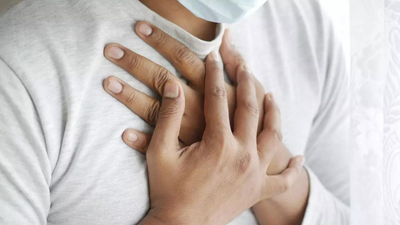
NEW DELHI: That evening snack, that quick packet meal, that sugary drink you don’t think twice about — doctors say they are quietly building your next health crisis.The American Heart Association (AHA) has issued a stark warning that everyday eating habits, especially the growing reliance on ultra-processed foods, are fuelling heart disease, diabetes and early death.The warning, published as a 2026 scientific statement, comes at a time when India’s disease burden is already rising. Cardiovascular diseases account for nearly 28% of all deaths, while more than 100 million people are living with diabetes, with millions more at risk. “One in five deaths in India is directly attributed to poor diet,” said Dr Ambuj Roy, professor of cardiology at AIIMS, Delhi.In its latest guidance, the AHA shifts the conversation away from diet trends and quick fixes to what people actually eat every day. It calls for meals built around vegetables, fruits and whole grains, along with healthier protein sources such as dals, beans, nuts and fish. It also recommends replacing butter and animal fats with plant-based oils and choosing foods that are minimally processed.Dr Roy said such principles can be adapted locally. He pointed to the Mediterranean diet as a proven model for reducing heart risk, adding that similar anti-inflammatory Indian diets can be built using locally available ingredients such as mustard oil, peanut oil, seasonal fruits, vegetables, millets, legumes, nuts and traditional spices. “Minimising ready-to-eat packaged food, biscuits and savouries can reduce heart disease risk by up to 30%,” he said.At the same time, the AHA calls for limiting ultra-processed foods, added sugars, excess salt and saturated fats. Packaged snacks, sugary drinks, refined flour items and processed meats are major contributors to rising obesity, diabetes and cardiovascular disease.Echoing this, Dr Ravinder Goswami from the endocrinology department at AIIMS said conditions like diabetes, hypertension and coronary artery disease often overlap and require similar lifestyle changes. He stressed portion control—“eat slightly less than your appetite”—along with mindful eating and avoiding distractions like screens during meals.He also cautioned against refined carbohydrates such as maida-based foods and advised cutting down on deep-fried items and repeatedly heated oils. Choosing whole fruits over juices and opting for roasted instead of fried snacks can make a significant difference, he said.Urban lifestyles are compounding the risk, with food delivery and quick-commerce making high-calorie, high-salt foods easily accessible. The AHA also advises limiting alcohol and says people should not start drinking for perceived heart benefits.“Simple habits like daily walking, sunlight exposure, and watching your weight are as important as what you eat,” Dr Goswami said, adding that visible weight gain is itself a warning sign.Doctors say the risk builds over time through daily habits, not occasional indulgence, and with lifestyle diseases rising among young Indians, what you eat every day shapes your long-term health.


