
– NEW DELHI: Even as the NMC issues yet another warning to medical colleges — this time on overcharging MBBS fees — questions are being raised over the effectiveness of such directives, with similar warnings in the past having hardly any impact.In a notice dated April 7, 2026, the regulator said colleges must not charge fees beyond the prescribed 4.5 years of academic study, flagging complaints that some institutions were collecting money even for the internship period where no formal teaching takes place.The NMC clarified that the MBBS course consists of 4.5 years of classroom training followed by a one-year compulsory internship, and fee collection must be limited to the academic component. It warned that violations would invite regulatory action.However, similar warnings in the past have seen limited enforcement.In 2023, the commission flagged widespread stipend irregularities after a survey of postgraduate students found cases of non-payment, underpayment and even recovery of stipends by managements. Yet, no major punitive action has been publicly reported.RTI activist Dr Babu KV said the pattern reflects a larger enforcement gap. He cited a 2025 RTI reply in which the NMC stated that while it frames regulations, implementation lies with state authorities.“The NMC issues warnings from time to time, but there is no visible action. Even serious violations have not led to consequences,” he said.Recent RTI applications have also sought details of action taken against colleges over stipend delays and other violations, highlighting persistent concerns among medical trainees.The Maintenance of Standards of Medical Education Regulations, 2023 empower the NMC to impose penalties, including fines of up to ₹1 crore, reduction in seats, stoppage of admissions and even withdrawal of recognition. However, stakeholders say these provisions are rarely invoked.Concerns over weak enforcement are not new. Minutes of the Postgraduate Medical Education Committee meeting held on September 24, 2015 — when the Medical Council of India (MCI) was the regulator — had flagged issues such as low stipends and poor training standards, warning of denial of recognition and stoppage of admissions for non-compliant colleges. The NMC replaced the MCI on September 25, 2020, under the NMC Act, 2019, with the aim of reforming medical education and improving oversight.The latest notice also draws on Supreme Court rulings that fee structures must be fair and non-exploitative, and refers to ongoing concerns over internship-related charges and unpaid stipends.With repeated complaints and limited visible action, the gap between regulation and enforcement continues to raise questions about accountability in medical education.About the AuthorAnuja JaiswalAnuja Jaiswal is a Senior Assistant Editor at The Times of India, with an impressive 18-year career in narrative journalism. She specializes in health and heritage reporting, expertly simplifying complex health information to make it engaging and understandable for readers. Her deep dives into heritage topics are well-researched, resulting in captivating narratives that resonate with her audience. Over the years, she has worked in Chandigarh, Chhattisgarh and West UP, gaining diverse on-ground experience that shapes her storytelling.Read MoreEnd of ArticleFollow Us On Social MediaVideosSheikh Hasina Extradition Demand Tests India-Bangladesh Ties Amid Visa Easing And Energy Talks‘Interesting Thought’: Raghav Chadha Hints at Launching Own Political Party‘Bilateral Trade Growing Towards $500 Bn Ambition’: Piyush Goyal At Launch Of India-US Trade PortalIndia Pushes For ‘Freedom Of Navigation’ At Hormuz After Iran-US Ceasefire, Jaishankar Heads To UAE’How Will We Get PoK, Aksai Chin Back?’: Owaisi Slams Modi Govt Over US-Iran CeasefireOil Falls After US-Iran Ceasefire, But Why Indians May Not See Cheaper Fuel Anytime SoonIndia Seeks Return Of Stranded Ships In Hormuz, Evacuation Of 7,500 Indians In Iran After CeasefireIndia’s Theatre Command Plan Nears Reality, Marking Major Shift In WarfightingExplained: Why India’s Prototype Fast Breeder Reactor Is A Game-Changer For Its Nuclear RoadmapEAM Jaishankar Hosts Bangladesh FM Khalilur Rahman For Crucial Bilateral Talks In Delhi123PhotostoriesExercise is medicine for diabetes: How 30 minutes of daily activity can lower blood sugar and reduce medication dependenceWhy people instinctively close their eyes during prayerStick these 5 quotes in your child’s room and watch their confidence growTop 5 premium residential areas in Gandhinagar for upscale living10 most brightly coloured birds to spot in Indian forests5 powerful types of daan in Hinduism believed to improve your karmaThursday Special: 6 Things to do for prosperity and positivity8 desi vegetarian breakfast dishes made with Oats10 regional and landscape-inspired home names in India and their meaningsHow to grow karela (bitter gourd) in containers at home123Hot PicksKerala VotingRaghav ChadhaPurple cap winnerOrange cap winnerIPL Points TablePublic holidays April 2026Bank Holidays AprilTop TrendingPope Leo XIVMamata BanerjeeTop Stock RecommendationsCrude Oil PriceMike VrabelMegan Thee StallionSerena WilliamsIPL Points TableSchool Holidays in AprilKarnataka 2nd PUC Exam Result Date

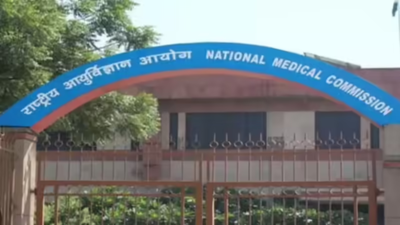
NEW DELHI: Even as the NMC issues yet another warning to medical colleges — this time on overcharging MBBS fees — questions are being raised over the effectiveness of such directives, with similar warnings in the past having hardly any impact.In a notice dated April 7, 2026, the regulator said colleges must not charge fees beyond the prescribed 4.5 years of academic study, flagging complaints that some institutions were collecting money even for the internship period where no formal teaching takes place.The NMC clarified that the MBBS course consists of 4.5 years of classroom training followed by a one-year compulsory internship, and fee collection must be limited to the academic component. It warned that violations would invite regulatory action.However, similar warnings in the past have seen limited enforcement.In 2023, the commission flagged widespread stipend irregularities after a survey of postgraduate students found cases of non-payment, underpayment and even recovery of stipends by managements. Yet, no major punitive action has been publicly reported.RTI activist Dr Babu KV said the pattern reflects a larger enforcement gap. He cited a 2025 RTI reply in which the NMC stated that while it frames regulations, implementation lies with state authorities.“The NMC issues warnings from time to time, but there is no visible action. Even serious violations have not led to consequences,” he said.Recent RTI applications have also sought details of action taken against colleges over stipend delays and other violations, highlighting persistent concerns among medical trainees.The Maintenance of Standards of Medical Education Regulations, 2023 empower the NMC to impose penalties, including fines of up to ₹1 crore, reduction in seats, stoppage of admissions and even withdrawal of recognition. However, stakeholders say these provisions are rarely invoked.Concerns over weak enforcement are not new. Minutes of the Postgraduate Medical Education Committee meeting held on September 24, 2015 — when the Medical Council of India (MCI) was the regulator — had flagged issues such as low stipends and poor training standards, warning of denial of recognition and stoppage of admissions for non-compliant colleges. The NMC replaced the MCI on September 25, 2020, under the NMC Act, 2019, with the aim of reforming medical education and improving oversight.The latest notice also draws on Supreme Court rulings that fee structures must be fair and non-exploitative, and refers to ongoing concerns over internship-related charges and unpaid stipends.With repeated complaints and limited visible action, the gap between regulation and enforcement continues to raise questions about accountability in medical education.


