
NEW DELHI: The Centre on Wednesday launched a veiled attack on a Tamil Nadu law that wrested control of appointment of ‘archakas (priests)’ to temples, saying Supreme Court in the past had wrongly classified appointment of ‘archakas’ as a “secular act” when it was purely a religious decision.Solicitor general Tushar Mehta made a strong pitch for review of the jurisprudence developed by SC over the past few decades without considering the complexity of issues related to religion, faith and belief, and on being unduly influenced by Western jurisprudence, where individual liberty trumped societal conscience and morality. His pitch, while in sync with the Modi govt’s stand on the scope of the judiciary’s intervention in faith-related issues, also takes on an additional dimension because of the timing – it came ahead of the assembly polls in TN. Mehta said that by upholding the TN law, which wrested control of appointment of ‘archakas’ and vested it in govt boards, SC allowed the state to intrude into religious matters of a denomination or sect maintaining their religious traditions in their temples.Court must not be harbinger of reforms that undermine core belief & faith: SC”If such a law is given imprimatur of Supreme Court, then even shankaracharya can be removed,” he said.A nine-judge bench led by Chief Justice Surya Kant said, “That does not mean ‘archakas’ would be above law and not held accountable for their misconduct.”Mehta responded by saying that so long as appointment of ‘archakas’ by the community temple was not violative of constitutional norms prohibiting caste-based discrimination, it is the community which should have the right to appoint persons as ‘archakas’, if they meet the eligibility criteria of knowledge in ‘agamas’ and rituals.“True meaning of secularism is non-interference of state in religious matters of various denominations. Removal or appointment must adhere to the qualification and experience that have evolved over centuries” he added.Objecting to use of secularism and constitutional morality — both incongruent with issues related to religion, faith and belief — by courts to intervene in the name of reforms, Mehta said social and religious reforms should be left to the legislature.The bench prima facie agreed that SC must not be the harbinger of social reforms or reforms in religion which undermine the core belief and faith of devotees. “In the name of reforms, religion itself cannot be harmed,” the bench said.“What expertise do judges, who are scholars of law, have in religious matters to determine who constitutes a denomination? The shrines of Khwaja Moinuddin Chisti and Nizamuddin Auliya and Shirdi Saibaba are visited by devotees belonging to all denominations, sects and religions. Can the court determine which shrine belongs to which faith?” Mehta pressed on.The SG asked if the followers of Aurobindo consider themselves as a distinct religious group, can SC say they are not? When Justices B V Nagarathna and Joymalya Bagchi questioned his view, Mehta said if the followers viewed Aurobindo as God, can any other person dispute that, given that under the Constitution he had the right to freedom of conscience.When Justice Bagchi said Aurobindo’s idol is not worshipped, Mehta said even in Arya Samaj and Brahmo Samaj, there is no idol worship, yet they are considered distinct religious sects. Justice Bagchi said interestingly, while Auroville is not considered a religious denomination by the SC, it had acknowledged Anand Margis as one.End of ArticleFollow Us On Social MediaVideos‘Bilateral Trade Growing Towards $500 Bn Ambition’: Piyush Goyal At Launch Of India-US Trade PortalIndia Pushes For ‘Freedom Of Navigation’ At Hormuz After Iran-US Ceasefire, Jaishankar Heads To UAE’How Will We Get PoK, Aksai Chin Back?’: Owaisi Slams Modi Govt Over US-Iran CeasefireOil Falls After US-Iran Ceasefire, But Why Indians May Not See Cheaper Fuel Anytime SoonIndia Seeks Return Of Stranded Ships In Hormuz, Evacuation Of 7,500 Indians In Iran After CeasefireIndia’s Theatre Command Plan Nears Reality, Marking Major Shift In WarfightingExplained: Why India’s Prototype Fast Breeder Reactor Is A Game-Changer For Its Nuclear RoadmapEAM Jaishankar Hosts Bangladesh FM Khalilur Rahman For Crucial Bilateral Talks In DelhiDRDO Chief Flags Risks Of Foreign Dependence, Calls For Full-Spectrum Defence Self-Reliance’I Cry When I Think Of Indians’: Iran Supreme Leader’s Rep Hails India After Ceasefire With US123Photostories8 baby girl names inspired by female freedom fightersHow to make Ranveer Brar-Style Biryani ka Masala at home5 interesting ways to use a sandwich maker beyond making sandwichesFrom ‘flying’ to surviving a year without food: 7 snake facts explained8 red snakes you won’t believe exist in the wildThese 8 teddy bear-like dogs are so cute you won’t believe they’re realBanarasi outfit ideas beyond sarees inspired by Bollywood celebritiesWhat are the Vedic switch words? know their powerful effects in HinduismAhead of ‘The Devil Wears Prada 2’ release, let’s revisit Meryl Streep’s other iconic charactersNearly 100 hospitalised after suspected food poisoning: Food storage mistakes that turn dangerous in summer123Hot PicksShreyas Iyer SisterUpdated IPL Points TablePurple cap winnerOrange cap winnerIPL Points TablePublic holidays April 2026Bank Holidays AprilTop TrendingIndia Pakistan CeasefireMamata BanerjeePawan KheraSabarimala CaseMike VrabelMegan Thee StallionSerena WilliamsIPL Points TableSchool Holidays in AprilKarnataka 2nd PUC Exam Result Date

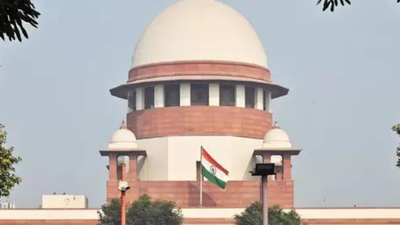
NEW DELHI: The Centre on Wednesday launched a veiled attack on a Tamil Nadu law that wrested control of appointment of ‘archakas (priests)’ to temples, saying Supreme Court in the past had wrongly classified appointment of ‘archakas’ as a “secular act” when it was purely a religious decision.Solicitor general Tushar Mehta made a strong pitch for review of the jurisprudence developed by SC over the past few decades without considering the complexity of issues related to religion, faith and belief, and on being unduly influenced by Western jurisprudence, where individual liberty trumped societal conscience and morality. His pitch, while in sync with the Modi govt’s stand on the scope of the judiciary’s intervention in faith-related issues, also takes on an additional dimension because of the timing – it came ahead of the assembly polls in TN. Mehta said that by upholding the TN law, which wrested control of appointment of ‘archakas’ and vested it in govt boards, SC allowed the state to intrude into religious matters of a denomination or sect maintaining their religious traditions in their temples.
Court must not be harbinger of reforms that undermine core belief & faith: SC
“If such a law is given imprimatur of Supreme Court, then even shankaracharya can be removed,” he said.A nine-judge bench led by Chief Justice Surya Kant said, “That does not mean ‘archakas’ would be above law and not held accountable for their misconduct.”Mehta responded by saying that so long as appointment of ‘archakas’ by the community temple was not violative of constitutional norms prohibiting caste-based discrimination, it is the community which should have the right to appoint persons as ‘archakas’, if they meet the eligibility criteria of knowledge in ‘agamas’ and rituals.“True meaning of secularism is non-interference of state in religious matters of various denominations. Removal or appointment must adhere to the qualification and experience that have evolved over centuries” he added.Objecting to use of secularism and constitutional morality — both incongruent with issues related to religion, faith and belief — by courts to intervene in the name of reforms, Mehta said social and religious reforms should be left to the legislature.The bench prima facie agreed that SC must not be the harbinger of social reforms or reforms in religion which undermine the core belief and faith of devotees. “In the name of reforms, religion itself cannot be harmed,” the bench said.“What expertise do judges, who are scholars of law, have in religious matters to determine who constitutes a denomination? The shrines of Khwaja Moinuddin Chisti and Nizamuddin Auliya and Shirdi Saibaba are visited by devotees belonging to all denominations, sects and religions. Can the court determine which shrine belongs to which faith?” Mehta pressed on.The SG asked if the followers of Aurobindo consider themselves as a distinct religious group, can SC say they are not? When Justices B V Nagarathna and Joymalya Bagchi questioned his view, Mehta said if the followers viewed Aurobindo as God, can any other person dispute that, given that under the Constitution he had the right to freedom of conscience.When Justice Bagchi said Aurobindo’s idol is not worshipped, Mehta said even in Arya Samaj and Brahmo Samaj, there is no idol worship, yet they are considered distinct religious sects. Justice Bagchi said interestingly, while Auroville is not considered a religious denomination by the SC, it had acknowledged Anand Margis as one.


