
US desperate for ceasefire? Trump forced Pakistan to broker temporary truce with Iran

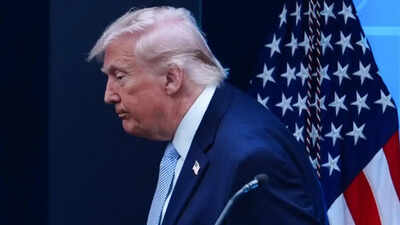
The White House quietly worked to broker a temporary ceasefire with Iran even as Donald Trump publicly ramped up threats, claiming Tehran was “begging” for a deal, according to people familiar with the discussions told FT.For weeks, the Trump administration relied on Pakistan to act as an intermediary, urging it to persuade Iran to agree to a pause in hostilities that would allow the reopening of the Strait of Hormuz. Islamabad’s role as a Muslim-majority neighbour was seen as key to making the proposal acceptable to Tehran.
Back-channel diplomacy spearheaded by Pakistan’s army chief Asim Munir culminated late Tuesday with the US, Iran and Israel announcing a two-week ceasefire. The breakthrough came just hours after Trump warned he could destroy Iran’s “whole civilisation” if it failed to comply with his demands.Trump, concerned by rising oil prices and what aides described as the unexpected resilience of Iran’s leadership, had been pushing for a ceasefire since at least March 21, when he first threatened to “obliterate” Iran’s power plants, sources said.As his deadline approached on Tuesday, Munir held a series of urgent calls with senior US officials, including Trump, Vice President JD Vance and special envoy Steve Witkoff.Washington and Islamabad believed Iran would be more receptive to the proposal if it came via a neutral Muslim-majority country. Prime Minister Shehbaz Sharif later made the two-week ceasefire offer public on social media after Munir spoke with Iran’s foreign minister Abbas Araghchi. However, Sharif’s post briefly drew attention after it accidentally included the line: “draft — Pakistan’s PM message on X”.Following Trump’s initial ultimatum on reopening the strait, Pakistani officials began relaying messages between Iranian political and military leaders and the White House. Islamabad proposed hosting a peace summit, circulated a US-drafted 15-point framework, and shared Iran’s five- and 10-point counterproposals. Ceasefire durations ranging from 45 days to two weeks were discussed.While the two sides remained divided, diplomats said Iran gradually showed willingness to scale back its demands, including potential limits on its uranium stockpile.Despite tentative agreement among Iranian political leaders, including Araghchi, securing approval from the powerful Islamic Revolutionary Guard Corps proved difficult. The group, which wields significant influence in Iran’s political and military apparatus, appeared divided, with some factions opposing both a ceasefire and renewed talks with the US.Tensions persisted on the ground. An Iranian drone strike targeted the Saudi petrochemical hub in Jubail on Tuesday, which one Pakistani official described as a “last-ditch move to derail talks”.Islamabad, which signed a defence pact with Riyadh last year, reacted sharply, warning Tehran that such actions risked isolating it and undermining the fragile peace effort. Pakistan has so far avoided being targeted by Iranian strikes and has maintained a neutral stance, even as Saudi Arabia faced repeated attacks.In a call with Sharif on Wednesday, Iranian President Masoud Pezeshkian confirmed Tehran would send representatives to Islamabad for negotiations. Pakistani officials indicated they expected Vance and Witkoff to join talks alongside Araghchi, parliament speaker Mohammad Ghalibaf, and a senior figure from the IRGC.However, officials in Islamabad remain cautious, warning that “many spoilers” could still derail the process. Fighting continues between Israel and the Iran-backed Lebanese group Hezbollah, with Israel excluding Lebanon from the ceasefire arrangement. There are also concerns that factions within the IRGC could continue attacks on Gulf infrastructure.During a follow-up call with Munir, Araghchi thanked Pakistan’s military leadership but pointed to “Israeli ceasefire violations in Iran and Lebanon”, according to Iranian officials.Pakistan, meanwhile, has its own concerns regarding elements of Iran’s 10-point proposal, particularly provisions related to Tehran’s control over the strait and its ability to impose tolls, officials said.


