
NEW DELHI: Assam is all set to vote on Thursday (April 9) for the 126 assembly seats. The contest has unfolded as a direct fight between the chief minister Himanta Biswa Sarma and Gaurav Gogoi-led Congress in the state. Sarma is aiming for a rare third consecutive term for the BJP-led alliance, while the Congress, led by Gaurav Gogoi, is attempting to regroup and convert anti-incumbency discontent into its electoral gain.In a 126-member assembly, where 64 seats mark the majority line, the outcome is likely to be determined not by a single wave, but by several issues of the state.Follow complete coverage of assembly elections 2026Here are top 5 factors that could drive the May 4 verdict in Assam:1. The delimitation domino effectThe assembly elections this time is the first after the 2023 delimitation that redrew the constituency boundaries, based on the 2001 Census. The delimitation exercise has reshaped constituencies and reduced minority-dominated seats from about 35 to 23. This shift has strengthened indigenous and tribal influence, benefiting the BJP, which is banking on identity politics, welfare schemes, and governance delivery. In regions such as the Barak Valley, constituency mergers and reclassification have forced political heavyweights to shift ground, unsettling long-standing vote-bank calculations that had traditionally favoured the Congress and the All India United Democratic Front. This election, therefore, is not being fought on the old map, and that alone changes the arithmetic. 2. The ‘infiltration’ narrativeLayered over this is Assam’s enduring identity debate, now recalibrated for 2026. The twin issues of the Citizenship Amendment Act (CAA) and the National Register of Citizens (NRC) remain central, though no longer in the form of mass protests. Instead, they have been absorbed into competing political narratives. The BJP has framed its position as one of protecting indigenous identity and land, amplified by controversial eviction drives in districts such as Darrang and Nagaon. The opposition, on the other hand, has accused the government of weaponising these issues for polarisation. 3. The ‘orunodoi’ economy The BJP’s ‘double engine’ governance is heavily reliant on Direct Benefit Transfers (DBT).Fighting against anti-incumbency, Himanta Sarma’s electoral strategy rests heavily on welfare delivery, particularly through its flagship Orunodoi scheme this time. With over 26 lakh women beneficiaries receiving monthly financial assistance, the scheme has helped create a loyal base of what the party calls ‘labharthi’ voters. Initiatives like Atmanirbhar Asom have further reinforced this outreach. On the other hand, Congress and Raijor Dal are focusing on the “cost” of these schemes, pointing to the state’s mounting debt and the “paper leak” scandals in recruitment as proof that welfare is being used to mask a lack of sustainable job creation.4. The tribal & tea garden swingBeyond the statewide narratives lie the decisive swing regions. The tea tribes, spread across nearly 35 to 40 constituencies, remain one of the most influential yet fluid voter blocs. Both sides have invested heavily in outreach here, but there is no guarantee of uniform consolidation. Similarly, the Bodoland Territorial Region has gained increased political weight after delimitation expanded its seats from 11 to 15. The BJP’s alliance with the United People’s Party Liberal (UPPL), combined with peace accords with Bodo groups, is being projected as a sign of stability. Yet, as in previous elections, shifts in these regions could tilt multiple seats in one direction. 5. Fragmented oppositionThe arithmetic of the “anti-BJP” vote will be the final dealbreaker. Presently, the anti-BJP space remains divided among the Congress, AIUDF, Raijor Dal and the Assam Jatiya Parishad. Will it eventually benefit Assam is yet to be seen. The vote fragmentation had worked in favour of the BJP in 2021 when the ruling alliance secured 75 seats. For Gaurav Gogoi, the election is as much about leadership as it is about arithmetic and presenting a united Congress front at a time when several party leaders left for the BJP ahead of elections. For Himanta Biswa Sarma, the strategy is to keep the opposition divided while consolidating gains across regions.As Assam votes tomorrow, this election in many ways may be seen as a referendum on whether the BJP’s blend of identity politics, welfare expansion and strong leadership has become the state’s dominant political model, or whether there is space for a revival of opposition-led politics. Assam decides tomorrow what matters to it the most. We will know the verdict on May 4. About the AuthorTOI News DeskThe TOI News Desk comprises a dedicated and tireless team of journalists who operate around the clock to deliver the most current and comprehensive news and updates to the readers of The Times of India worldwide. With an unwavering commitment to excellence in journalism, our team is at the forefront of gathering, verifying, and presenting breaking news, in-depth analysis, and insightful reports on a wide range of topics. The TOI News Desk is your trusted source for staying informed and connected to the ever-evolving global landscape, ensuring that our readers are equipped with the latest developments that matter most.”Read MoreEnd of ArticleFollow Us On Social MediaVideosJaishankar To Visit UAE, Signals India’s Strategic Push After US, Iran Strike Ceasefire In West AsiaIndia Welcomes US-Iran Peace Push But Warns Against Further Disruption In Hormuz Supply Chain RouteFour Killed in Fresh Manipur Violence After Months of Calm; Probe Handed to NIACeasefire No Guarantee: Indian Embassy In Tehran Issues Urgent Exit Advisory For Citizens In IranIndia-US Ties Gain Momentum As Sergio Gor Meets Donald Trump, Vikram Misri Begins Crucial VisitPakistan PM Shehbaz Sharif’s Draft Tweet On US-Iran Ceasefire Sparks Row Over Diplomatic CredibilityIndian Army Releases UAV And Loitering Munition Roadmap, Focus On Drone-Centric WarfareDelhi-Dhaka Ties Reset As Bangladesh FM Arrives In India; Focus On Border, Visa, Energy & TradeManipur Erupts Again After Deadly Blast Kills 2 Children; Curfew Imposed, Internet Shutdown’Avoid Military Areas, Stay Indoors’: India Issues Advisory For Indians In Iran As Tensions Rise123PhotostoriesMumbai Metro crosses 100km, overtakes Bengaluru to become India’s second-largest network after Delhi-NCRInside Ruturaj Gaikwad’s ₹8 crore Pune residence that defines modern luxuryWhat is your power word for the week; based on your birth numberFrom nutrition to toxicity: Why overdosing on vitamin-rich superfoods can harm your eyes, and what expert recommends insteadMumbai’s first driverless pod taxi: 8.85-km network with 22 stations to ease congestion in BKC10 frozen foods you should throw away from your kitchen pantryVaibhav Sooryavanshi: 5 things teens can learn from the young cricket sensationWhat blocks your wealth according to numerologyIBS is disrupting your life: Doctor-recommended diet and lifestyle changes that actually relieve irritable bowel syndrome symptoms10 years on, Barapullah III still unfinished: 8.5-acre land dispute stalls key Delhi bridge project123Hot PicksShreyas Iyer SisterUpdated IPL Points TablePurple cap winnerOrange cap winnerIPL Points TablePublic holidays April 2026Bank Holidays AprilTop TrendingTaylor Swift and Travis Kelce RelationshipIPL 2026Donald TrumpB V NagarathnaMP High CourtMHT CET Admit cardBengal PollIPL Points TableSchool Holidays in AprilKarnataka 2nd PUC Exam Result Date

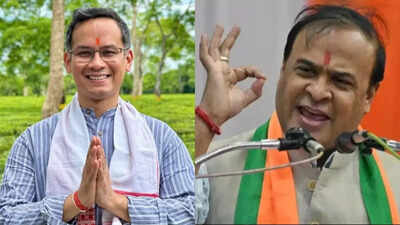
NEW DELHI: Assam is all set to vote on Thursday (April 9) for the 126 assembly seats. The contest has unfolded as a direct fight between the chief minister Himanta Biswa Sarma and Gaurav Gogoi-led Congress in the state. Sarma is aiming for a rare third consecutive term for the BJP-led alliance, while the Congress, led by Gaurav Gogoi, is attempting to regroup and convert anti-incumbency discontent into its electoral gain.In a 126-member assembly, where 64 seats mark the majority line, the outcome is likely to be determined not by a single wave, but by several issues of the state.Follow complete coverage of assembly elections 2026Here are top 5 factors that could drive the May 4 verdict in Assam:1. The delimitation domino effectThe assembly elections this time is the first after the 2023 delimitation that redrew the constituency boundaries, based on the 2001 Census. The delimitation exercise has reshaped constituencies and reduced minority-dominated seats from about 35 to 23. This shift has strengthened indigenous and tribal influence, benefiting the BJP, which is banking on identity politics, welfare schemes, and governance delivery. In regions such as the Barak Valley, constituency mergers and reclassification have forced political heavyweights to shift ground, unsettling long-standing vote-bank calculations that had traditionally favoured the Congress and the All India United Democratic Front. This election, therefore, is not being fought on the old map, and that alone changes the arithmetic.
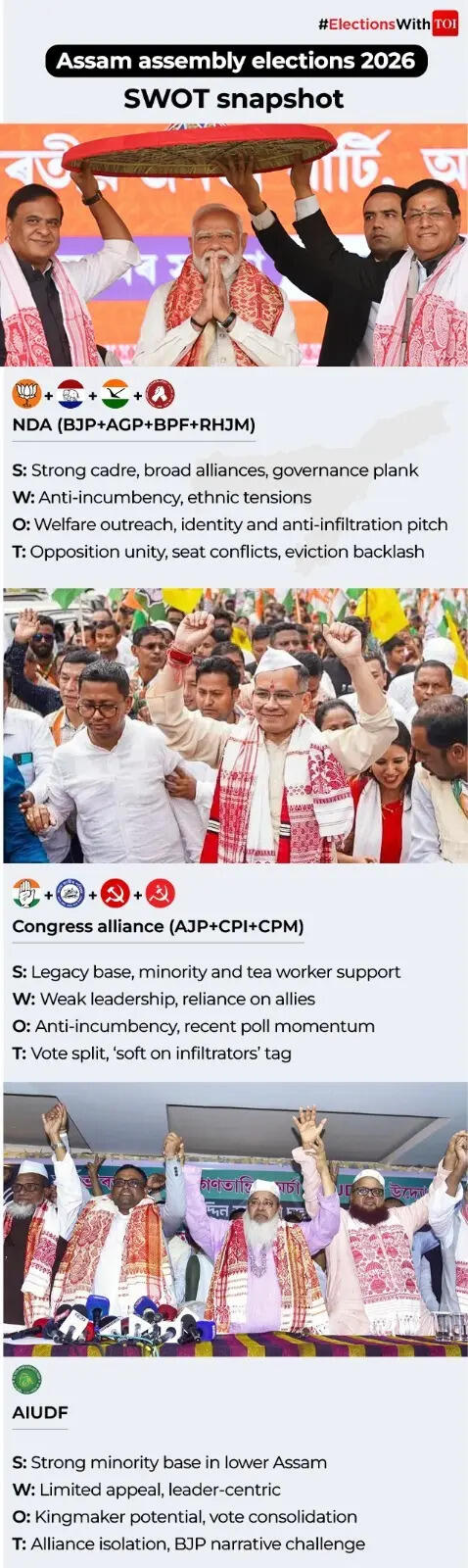
2. The ‘infiltration’ narrativeLayered over this is Assam’s enduring identity debate, now recalibrated for 2026. The twin issues of the Citizenship Amendment Act (CAA) and the National Register of Citizens (NRC) remain central, though no longer in the form of mass protests. Instead, they have been absorbed into competing political narratives. The BJP has framed its position as one of protecting indigenous identity and land, amplified by controversial eviction drives in districts such as Darrang and Nagaon. The opposition, on the other hand, has accused the government of weaponising these issues for polarisation. 3. The ‘orunodoi’ economy The BJP’s ‘double engine’ governance is heavily reliant on Direct Benefit Transfers (DBT).Fighting against anti-incumbency, Himanta Sarma’s electoral strategy rests heavily on welfare delivery, particularly through its flagship Orunodoi scheme this time. With over 26 lakh women beneficiaries receiving monthly financial assistance, the scheme has helped create a loyal base of what the party calls ‘labharthi’ voters. Initiatives like Atmanirbhar Asom have further reinforced this outreach. On the other hand, Congress and Raijor Dal are focusing on the “cost” of these schemes, pointing to the state’s mounting debt and the “paper leak” scandals in recruitment as proof that welfare is being used to mask a lack of sustainable job creation.4. The tribal & tea garden swingBeyond the statewide narratives lie the decisive swing regions. The tea tribes, spread across nearly 35 to 40 constituencies, remain one of the most influential yet fluid voter blocs. Both sides have invested heavily in outreach here, but there is no guarantee of uniform consolidation. Similarly, the Bodoland Territorial Region has gained increased political weight after delimitation expanded its seats from 11 to 15. The BJP’s alliance with the United People’s Party Liberal (UPPL), combined with peace accords with Bodo groups, is being projected as a sign of stability. Yet, as in previous elections, shifts in these regions could tilt multiple seats in one direction. 5. Fragmented oppositionThe arithmetic of the “anti-BJP” vote will be the final dealbreaker. Presently, the anti-BJP space remains divided among the Congress, AIUDF, Raijor Dal and the Assam Jatiya Parishad. Will it eventually benefit Assam is yet to be seen. The vote fragmentation had worked in favour of the BJP in 2021 when the ruling alliance secured 75 seats. For Gaurav Gogoi, the election is as much about leadership as it is about arithmetic and presenting a united Congress front at a time when several party leaders left for the BJP ahead of elections. For Himanta Biswa Sarma, the strategy is to keep the opposition divided while consolidating gains across regions.As Assam votes tomorrow, this election in many ways may be seen as a referendum on whether the BJP’s blend of identity politics, welfare expansion and strong leadership has become the state’s dominant political model, or whether there is space for a revival of opposition-led politics. Assam decides tomorrow what matters to it the most. We will know the verdict on May 4.


